Custom uniforms in Kenya are garments selected or designed to meet an organisation’s needs, including its preferred colours, clothing styles, logo placement and sizing requirements. Businesses and institutions use them to create a consistent appearance, identify staff and support everyday work.
From office shirts and branded polo shirts to school clothing and industrial workwear, the right uniform should balance comfort, durability, appearance and cost. The best choice depends on the people wearing it, their daily activities and the conditions in which they work.
For example, a retail employee may need a smart, branded shirt, while a workshop employee may require stronger fabric and protective clothing suited to specific workplace hazards.
Which Types of Uniforms Can Businesses and Institutions Choose?
The most suitable uniform depends on the organisation’s industry, dress requirements and working environment. Different garments serve different purposes.
- Corporate uniforms: Shirts, trousers, skirts and polo shirts for office teams, retail staff and customer-facing employees.
- School uniforms: Shirts, skirts, trousers, sweaters and sportswear for educational institutions.
- Hospitality uniforms: Chef coats, aprons, housekeeping garments and front-desk clothing for hotels and restaurants.
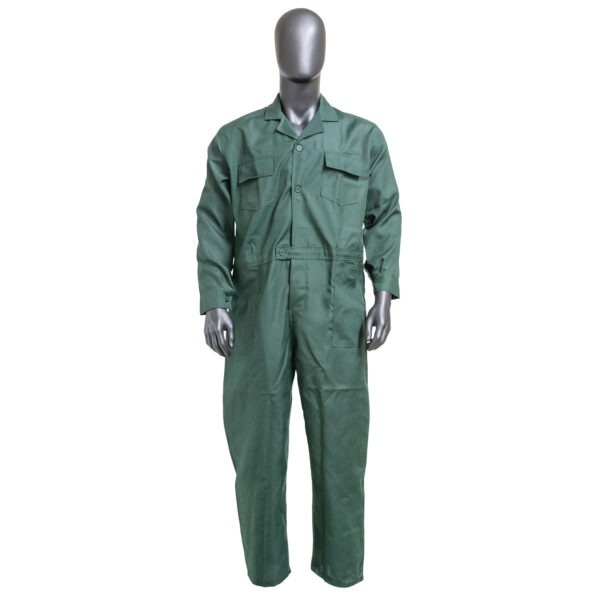
- Industrial workwear: Durable clothing for workshops, factories and other demanding workplaces.
- Promotional clothing: Printed T-shirts, caps and branded garments for events, campaigns and team activities.
When comparing uniform suppliers in Kenya, identify the garments your organisation needs before requesting prices. This helps you compare similar products rather than choosing based on cost alone.
How Do You Choose the Best Uniform Fabric for Kenya’s Climate?
The right fabric should keep wearers comfortable, suit the work environment and withstand regular cleaning. Kenya has different climatic conditions across its regions, so organisations should consider where staff will wear their uniforms.
Cotton offers breathability and a comfortable feel, making it suitable for many everyday garments. Polyester can provide durability, shape retention and easier maintenance. Cotton-polyester blends combine some of the benefits of both materials.
For durable workwear, check fabric thickness, stitching, colour retention and washing instructions. A garment that looks good initially may not offer good value if it loses its shape or wears out quickly.
Where staff face heat, chemicals, machinery or other occupational hazards, select clothing that meets the relevant safety requirements. Ordinary uniforms should not replace suitable protective equipment.
What Should You Check Before Ordering Custom Workwear?
A clear ordering process helps organisations avoid unnecessary expenses, sizing problems and delivery delays.
Before placing a bulk uniform order, consider these five factors:
- Quantity: Calculate how many garments you need, including spares and replacements.
- Sizing: Use accurate measurements and confirm available sizes before ordering.
- Design: Decide on garment colours, styles, logos and branding positions.
- Budget: Account for the garments, printing or embroidery, delivery and any additional charges.
- Delivery time: Agree on a realistic schedule, particularly when preparing for a new school term, staff recruitment or an upcoming event.
Whenever possible, review a sample before approving a large order. Check the fit, fabric, stitching and logo placement. A sample gives you an opportunity to identify problems before committing to the full quantity.
What Is the Best Way to Add a Logo to a Uniform?
The best branding method depends on the garment, the logo design and how frequently the clothing will be washed.
Embroidered uniforms have a textured finish that can suit corporate shirts, polo shirts and hospitality clothing. Printed designs may work better for larger graphics, promotional T-shirts and detailed artwork.
Before choosing a method, consider the following:
- The fabric’s suitability for printing or embroidery.
- The size and complexity of the logo.
- The desired appearance and finish.
- The expected washing frequency.
- The overall branding budget.
For branded corporate clothing, consistency matters. Keep logo colours, placement and garment styles consistent across teams where practical. This creates a more coordinated appearance without making the design unnecessarily complicated.
How Much Do Custom Uniforms Cost in Kenya?
The price of custom-made uniforms varies according to fabric, garment design, order quantity, branding requirements and delivery arrangements. There is no single price that applies to every organisation.
A basic branded polo shirt has different material and production requirements from a tailored office outfit or specialised industrial garment. Larger orders may offer lower costs per item, depending on the supplier’s pricing structure.
To compare quotations fairly, request details about:
- The price per garment.
- Fabric type and quality.
- Printing or embroidery charges.
- Available sizes and size-related costs.
- Delivery fees and expected lead times.
- Replacement, exchange or quality-related arrangements.
Choosing the cheapest option does not always deliver the best value. Consider how often staff will wear the garments, how well they withstand washing and how much replacement clothing may cost over time.
Where Can You Find Uniform Supplies in Nairobi, Kenya?
When evaluating uniform suppliers in Nairobi, look for clear product information, transparent pricing and practical guidance on sizing, fabric and branding. If your organisation operates outside Nairobi, confirm delivery arrangements and the process for handling replacements or exchanges.
Kings Collection is the retail and wholesale brand of Kings Wear Ltd, a Kenyan family-owned business established in 1983. Based in Nairobi, the company serves individual shoppers and business customers with a range of clothing and other consumer products, including uniform-related apparel.
Organisations considering wholesale uniforms in Kenya can discuss their requirements with Kings Collection and ask about available garments, quantities, sizing and branding options. Confirm the exact products, customisation services and delivery arrangements directly before placing an order.
Providing a clear list of requirements will make it easier to determine whether the available products suit your organisation.
Why Should You Compare Uniform Quality Before Making a Purchase?
A uniform should meet the organisation’s practical needs without creating unnecessary maintenance costs. Quality depends on more than appearance: fabric construction, stitching, fit, colour retention and suitability for the working environment all matter.
For example, a business whose employees wash their uniforms frequently should prioritise materials that maintain their appearance after repeated cleaning. A school ordering garments for growing children should also consider sizing, durability and the availability of replacements.
When reviewing affordable uniforms in Kenya, compare products with similar specifications. Ask questions about materials, care instructions and order terms before making a decision.
How Can Kings Collection Help You Explore Uniform Options?
Choosing the right uniform begins with understanding what your organisation needs. List the required garment types, estimated quantities, sizes, preferred fabrics and branding requirements. You can then use these details to ask suppliers focused questions and compare suitable options.
Kings Collection provides a starting point for organisations exploring clothing and uniform products in Nairobi. Contact the business to enquire about available options and determine which products meet your requirements.
Business details
- Business name: Kings Collection
- Address: Kawangware Naivasha Rd, Nairobi, 343007-00100, Kenya
- Phone: +254 720 203333
- Email: info@kings.co.ke
- Website: https://kingscollection.co.ke/
A well-planned uniform purchase can help your organisation balance comfort, presentation, durability and budget. Start by identifying your priorities, then compare garment options carefully before committing to an order.