Lighting plays a crucial role in the design of any building and its spaces. Appropriate lighting can add value, ambiance, utility and a sense of experience to materials and to the space. From residential to commercial, hotel, corporate office, retail and public spaces, well planned lighting can have a big impact on the overall character and visual identity of a project.
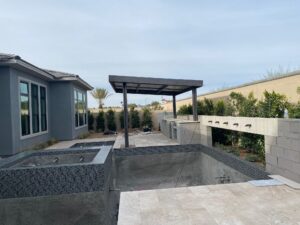
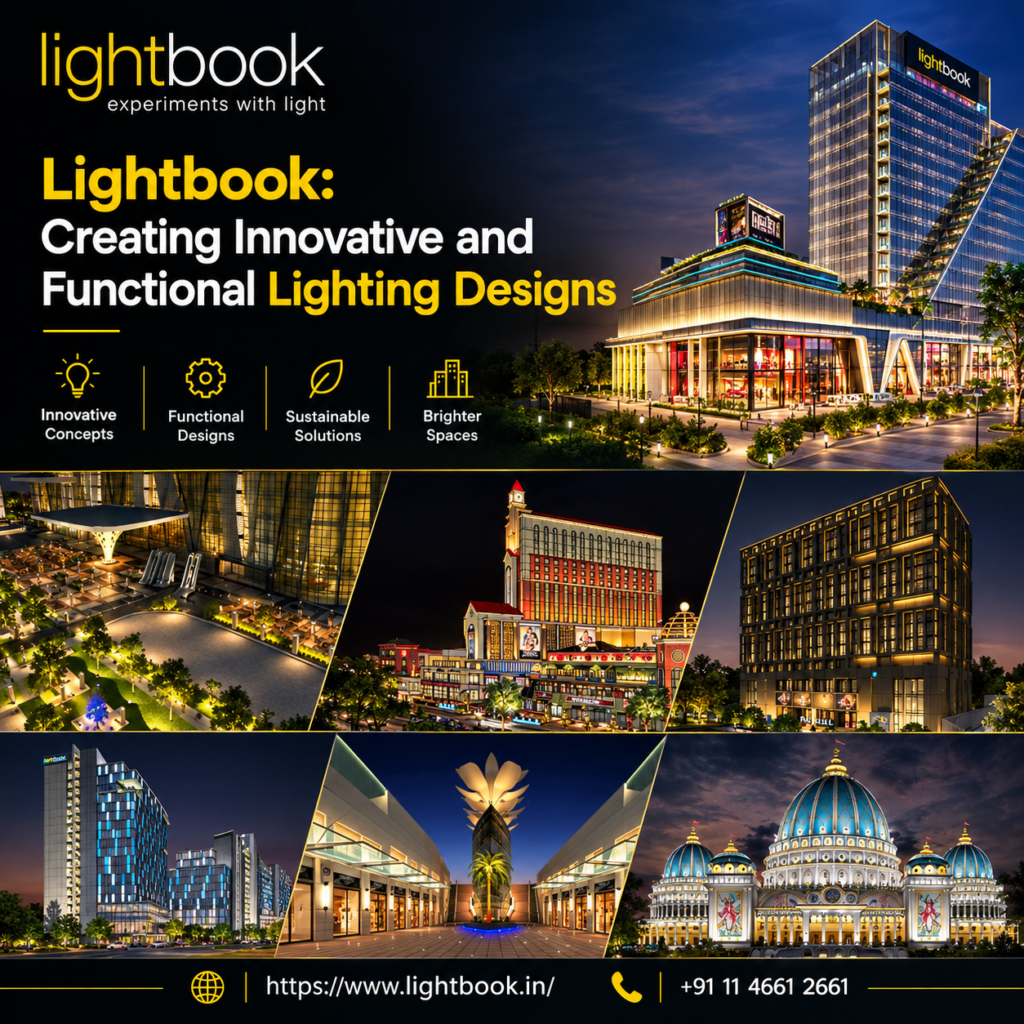
This is an innovative architectural lighting design by Lightbook.
Lightbook is one of the top lighting design consultancies, providing innovative, practical and efficient lighting solutions for architectural spaces. It is a combination of design creativity and technical knowledge which allows the creation of lighting ideas that harmonize with the architecture and interior of the project. Whether in residential and commercial projects, hospitality or international projects, Lightbook is dedicated to producing light environments that are pleasing, functional, comfortable and user-responsive. Architectural Lighting is more than just lighting a space. It’s a matter of comprehension of the relationship between light and architecture, materials, texture, colours, forms, and people. The right lighting can highlight key architectural features, create focal points, enhance navigation and set a mood for various areas.
The expertise of International lighting design.
Lightbook is an international lighting design practice, where creativity, technology and technical expertise are united in the creation of innovative visual environments. Lightbook has a presence in India, Middle East, the UK and abroad and a diverse portfolio of residential, commercial, hospitality and corporate projects. When working in multiple geographic settings, it is important to understand the different architectural styles, environment, culture, project needs, and technology available. Lightbook takes individual projects seriously, designing the lighting plan to suit the unique needs and goals of the architecture. The practice is to make lighting appear to be part of the furniture rather than part of the wall. The integration of natural light and artificial light in the design can create a harmonious effect and enhance the overall aesthetic of the building.
A Creative and Technical Approach
Creativity and technical skills are essential for a successful lighting design. Lightbook is designed in a structured manner that starts from grasping the project’s architectural concept, key functions, space features, and client goals. The lighting design process can involve concept development, lighting calculations, lighting fixture selection and specification, lighting layouts, visualization, coordination with the architectural and interior design team, site assistance and commissioning. Every stage is designed to guarantee the lighting solution is effective and enhances the design vision. Appropriate lighting levels and visual comfort are important aspect of lighting calculations, which is also important in technical planning. Meanwhile, the type of fixtures, angles of beams, colour temperature, controls and positioning can impact on the perception of architectural elements.
Increasing the beauty of Architecture by adding Light.
Architectural lighting is one of the most crucial functions of design in lighting is to expose and enhance the design of the building. Light may highlight or illuminate a façade or entrance, a ceiling, a column, a landscape, an artwork, texture and more. Layered lighting can be used to create multiple light sources in interior settings to produce ambient, accent, task, and decorative lighting. This can be done to make use of multiple uses of the space, and still provide visual balance. In commercial and corporate settings, lighting can enhance productivity, branding, circulation, and customer experience. Lighting can be used to set the tone and create a memorable experience for guests in hospitality projects, establishing a distinctive atmosphere. The properly designed lighting can offer comfort, flexibility and warmth in the residential projects.
Energy Efficiency and Sustainable Lighting
Energy efficiency and sustainability are now the focus of modern lighting design. Professional lighting consultants not only pay attention to what a space looks like, but how efficiently it functions as well. Energy-saving LED technology, intelligent lighting controls, dimming, occupancy sensors, daylight integration and the careful selection of luminaires can help to achieve the appropriate lighting quality without consuming too much energy. From an early stage of the building’s design, integrating lighting can prevent the need for additional fixtures and inefficient solutions. The Lightbook concept is an integration of aesthetics, functionality, technology, energy efficiency and user comfort. The goal is to create lighting that will enhance the long-term functionality and image of a project.
Steps to consider in lighting for different architectural projects.
Each project will be unique in its lighting needs. The lighting that suits a luxury residence and the lighting that suits a commercial development can be different and may even be in direct opposition to one another. In the context of a light-controlled environment, the lighting can enhance the overall experience for guests, contribute to the brand’s atmosphere, and play a crucial role in a hospitality project. In a corporate setting, every office can greatly benefit from functional lighting that can help each of these activities as well as provide a comfortable working environment. Lighting on the outside and inside can also make a difference to buildings in the evenings. An appropriate and effective use of light can enhance the form of architecture, establish a visual landmark and define the identity of commercial and public buildings at night. Lightbook creates bespoke lighting concepts, based on the architecture of the project, its needs, the site conditions and the desired experience of the user.
The making of memorable visual experiences.The process of making memorable visual experiences.
A well-designed lighting system can add a distinctive character to any project. Lightbook’s philosophy is based on the creation of a seamless link between architecture, environment and users using natural and artificial light. Professional lighting design is not about using lights at an excessive level, but it is about understanding where to use light, the use of darkness and how these lighting elements interact. This can result in depth, contrast, rhythm and interest. The end of the day, the outcome is an atmosphere that enhances the design rather than detracts from it. This can help make rooms more comfortable in everyday use and help to enhance the visual experience.
Why Choose Lightbook for Lighting Consultancy?
It is beneficial to involve a professional lighting consultant in the early stages of a project where the architect, interior designer, developer, hospitality professional and client are all involved. With early collaboration, the lighting strategy can be coordinated with the architectural forms, interior layouts, materials, electrical systems and project budgets.
Lightbook offers a blend of creative vision and technical skills to help breathe life into architectural spaces. Lighting concepts can be developed based on specific design objectives and not a single solution fits all.
Whether it’s concept development, technical coordination or project execution, a professional lighting consultant can help deliver a more cohesive and successful outcome.
Conclusion
Architectural lighting can make an ordinary space into an inspiring visual environment. Carefully designed light can be used to enhance the architecture, improve functionality, support sustainability and effect the feeling within a space. Lightbook is constantly innovating architectural lighting design solutions through technology, technical expertise, creativity and knowledge of architecture. Lightbook has gained experience in India and abroad and offers a wide range of lighting consultancy services, customised for residential, commercial, hospitality, corporate, and other architectural applications.
When lighting is a critical aspect of the design experience, professional lighting design can be a major asset to projects. Lightbook’s inbuilt system enables you to develop energy efficient, functional environments that are visually appealing, where architecture and light go hand in hand.