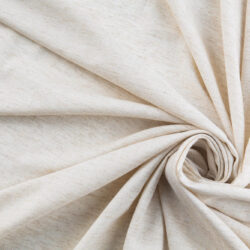
Australia’s climate presents unique challenges for clothing. With scorching summers and generally mild winters, breathable fabrics aren’t just a luxury—they are a necessity. Linen fabric clothing stands out as a premier choice for this environment. It regulates temperature naturally, wicks moisture away, and offers a timeless aesthetic that suits both casual beach days and office settings.
However, not all linen is created equal. The weave, weight, and finish of the fabric significantly impact how it performs and feels. Choosing the right type of linen ensures comfort and durability, making it a staple in any Australian wardrobe.
Fabriclore Pvt Ltd: A Leader in Woven Fabric Garmenting
When sourcing high-quality textiles, reliability is key. Fabriclore Pvt Ltd has established itself as a premier garment manufacturer, trusted by over 400 private labels globally. We specialize in delivering fully customized fabric solutions with low Minimum Order Quantities (MOQ), making us the go-to partner for fashion brands looking to scale.
Our tech-enabled platform ensures transparency and on-time delivery, addressing common pain points in the supply chain. Whether you need customized design, dyeing, or printing, Fabriclore offers unmatched wholesale prices without compromising on quality. Our expertise in woven fabric garmenting allows us to produce linen clothing that meets the high standards required for the Australian market.
Types of Linen Fabric for Clothing
Understanding the weave is the first step in selecting the right material. The structure of the fabric dictates its breathability, texture, and drape.
Plain Weave Linen
Plain weave is the most common and versatile type of linen. In this structure, the warp and weft threads cross over and under each other in a simple alternating pattern. This creates a strong, durable fabric with a relatively smooth surface.
For everyday Australian wear, plain weave linen is ideal. It is highly breathable, allowing air to circulate freely against the skin. This makes it perfect for summer shirts, dresses, and trousers. Because it is lightweight yet sturdy, it withstands frequent washing and wearing, which is essential for daily use.
Twill Linen
Twill linen is characterized by its diagonal rib pattern. This weave is created by passing the weft thread over one or more warp threads and then under two or more warp threads. The result is a fabric that is generally heavier and more durable than plain weave.
Twill linen drapes beautifully and resists wrinkles better than plain weave. This makes it a strong candidate for tailored garments like jackets or structured skirts. While slightly heavier, it remains breathable, offering a good option for transitional weather in spring or autumn.
Damask Linen
Damask linen is woven on a Jacquard loom, allowing for intricate, reversible patterns. The weave is much tighter and finer than plain or twill weaves. This results in a fabric that has a smooth texture and a subtle sheen.
While often associated with tablecloths, lighter weights of damask linen are excellent for high-end clothing. It offers a sophisticated look for formal occasions without sacrificing the natural cooling properties of the flax fiber.
Factors to Consider When Choosing Linen
Selecting the right linen goes beyond just picking a color. You must consider how the garment will be worn and the environment it will be worn in.
Climate
Australia’s diverse climate demands versatility. For the humid, tropical north or the dry heat of the interior, lightweight plain weave linen is the superior choice. It maximizes airflow and moisture management.
In cooler southern regions, or for evening wear, heavier weights like twill provide necessary warmth while maintaining breathability. The ability of linen to conduct heat away from the body makes it useful even in fluctuating temperatures, but the weave density plays a major role in thermal regulation.
Comfort
Linen softens with every wash, but the initial feel depends on processing. High-quality linen should not feel scratchy. Look for garments that have undergone enzyme washing or stone washing during manufacturing. These processes break down the stiff fibers, resulting in a softer hand-feel immediately.
The breathability of the weave also contributes to comfort. A looser weave allows for more ventilation, preventing the fabric from sticking to the skin during hot days.
Durability
Linen is one of the strongest natural fibers, but the garment construction matters. As a garment manufacturer, Fabriclore emphasizes the importance of quality stitching and seam reinforcement in linen fabric clothing.
Plain weave offers balanced strength in both directions, making it resistant to tearing. Twill is also durable due to the higher thread count often used. When choosing everyday clothing, check the weight of the fabric. Very sheer or lightweight linens may wear out faster in high-friction areas compared to medium-weight options.
Benefits of Linen Fabric Clothing
Linen offers distinct advantages that synthetic fabrics cannot match.
- Moisture Wicking: Linen absorbs moisture without holding bacteria. It can absorb up to 20% of its weight in moisture before feeling damp, keeping the wearer dry.
- Hypoallergenic: The natural properties of flax make linen resistant to bacteria and fungus, making it a safe choice for sensitive skin.
- Sustainability: Flax requires less water and fewer pesticides to grow than cotton. It is biodegradable and durable, meaning garments last longer and generate less waste.
- Thermo-regulation: It is a natural insulator. It releases heat in summer and retains warmth in winter, providing year-round utility.
Caring for Linen Garments
Proper care extends the life of linen clothing significantly.
- Washing: Wash linen in lukewarm or cold water on a gentle cycle. diverse excessive agitation can damage the fibers.
- Drying: Air drying is best. If you must use a dryer, use a low heat setting and remove the item while it is still slightly damp to prevent stiffness.
- Ironing: Linen wrinkles naturally. If a crisp look is required, iron while the fabric is damp. For a more casual look, skipping the iron is perfectly acceptable.
- Storage: Store linen in a cool, dry place. Avoid plastic bags, which can trap moisture and cause mildew.
Making the Right Choice for Your Wardrobe
Linen fabric clothing is an investment in comfort and longevity, particularly for the Australian lifestyle. Whether you prefer the breeziness of a plain weave or the structure of twill, understanding the fabric types ensures you get the best performance out of your garments.
For brands looking to produce high-quality linen collections, partnering with an experienced garment manufacturer like Fabriclore Pvt Ltd ensures access to premium materials and expert woven fabric garmenting. By focusing on quality weaves and proper construction, you can provide clothing that stands up to the demands of everyday wear.