When selecting fabric for clothing, homewares, or craft projects, understanding the quality of cotton is essential. Not all cotton is created equal, and the differences in fiber, weave, and finish can significantly impact the final product’s durability, feel, and appearance. For consumers and designers in Australia, distinguishing between various grades of cotton ensures that every purchase meets specific standards and delivers the desired outcome. This guide provides a straightforward breakdown of how to compare the quality grades of cotton fabric in Australia, enabling you to make confident and informed decisions.
Key Factors Determining Cotton Fabric Quality
Several key characteristics determine the overall quality of cotton fabric. By understanding these factors, you can better assess any cotton material you encounter.
Fiber Length
The length of the individual cotton fibers, known as staples, is a primary indicator of quality. Longer fibers can be spun into finer, stronger, and more lustrous yarns.
- Short-Staple: These fibers are shorter (up to 1 1/8 inches) and produce a yarn that is less smooth and durable. Standard cotton fabrics are often made from short-staple fibers.
- Long-Staple: Fibers measuring between 1 1/8 and 1 1/4 inches create a stronger, softer, and more durable fabric.
- Extra-Long-Staple (ELS): Fibers longer than 1 3/8 inches, such as those found in Egyptian and Pima cotton, produce the highest quality yarns. The resulting fabrics are exceptionally soft, strong, and resistant to pilling.
Weave and Construction
The way the yarns are woven together also plays a crucial role in the fabric’s quality.
- Thread Count: This refers to the number of threads woven into one square inch of fabric. While a higher thread count often indicates a smoother and more durable fabric, it is not the only measure of quality. The quality of the yarn itself is equally important.
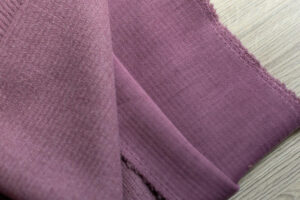
- Weave Type: Different weaves affect the fabric’s texture, drape, and strength. Common types include plain weave (a simple criss-cross pattern), twill weave (creates a diagonal pattern, like in denim), and sateen weave (produces a smooth, lustrous surface).
Dyeing and Finishing
The processes applied after weaving add final characteristics to the fabric.
- Colorfastness: High-quality dyeing ensures that the fabric retains its color after washing and exposure to sunlight. A fabric that bleeds color is a sign of a lower-quality dyeing process.
- Finishing: Various finishes can be applied to improve the fabric’s properties. For example, pre-shrunk cotton has been treated to minimize shrinkage, while a mercerized finish increases luster and strength.
Origin and Certification
The origin of the cotton and any certifications it holds can provide assurances about its quality and production standards. Certifications like Oeko-Tex Standard 100 confirm that the fabric has been tested for harmful substances, making it safe for human use. When you buy fabric online, look for these certifications in the product description.
Common Cotton Fabric Grades in Australia
In Australia, several grades of cotton are widely available, each with distinct properties and uses.
Standard Cotton
This is the most common and affordable type of cotton. It is typically made from short-staple fibers, resulting in a fabric that is functional but less soft and durable than higher grades. It’s suitable for everyday items like basic t-shirts, casual wear, and simple craft projects.
Organic Cotton
Organic cotton is grown without synthetic pesticides or fertilizers, making it an environmentally friendly choice. It is often softer than standard cotton and is an excellent option for those with sensitive skin. Look for certifications like the Global Organic Textile Standard (GOTS) to ensure its authenticity. Its use is common in baby clothing, bedding, and eco-conscious apparel.
Egyptian Cotton
Renowned for its superior quality, Egyptian cotton is grown in the Nile River Valley and features extra-long-staple fibers. This results in a fabric that is incredibly soft, strong, and breathable. It is a premium choice for luxury bedding, high-end apparel, and fine linens. Due to its reputation, it’s a sought-after type of cotton fabric in Australia.
Pima Cotton
Similar to Egyptian cotton, Pima cotton is also an extra-long-staple variety, grown primarily in the United States, Australia, and Peru. It produces a soft, smooth, and durable fabric that resists pilling and fading. Pima cotton is often used for high-quality t-shirts, dress shirts, and bed sheets.
Tips for Evaluating Cotton Fabric Quality
Here are practical tips for assessing cotton fabric in Australia before you make a purchase.
Visual Inspection
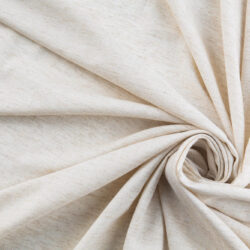
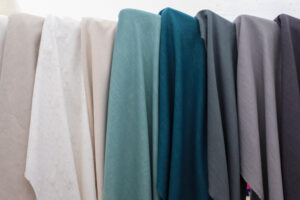
Look closely at the fabric’s surface. A high-quality cotton will have a smooth, uniform weave with no visible slubs or blemishes. The finish should appear even, and the color should be consistent across the entire piece.
Touch Test
Feel the fabric. It should feel smooth and soft against your skin, not rough or scratchy. The drape, or how the fabric hangs, can also indicate quality. Higher-grade cottons tend to have a more fluid and graceful drape.
Label and Certification Checks
Always check the label for information about fiber content, thread count, and origin. Look for certifications like Oeko-Tex or GOTS as indicators of quality and safety. This is especially important when you buy fabric online and cannot physically inspect the material.
Testing a Sample
If possible, obtain fabric swatches in Australia before committing to a larger purchase. This allows you to perform simple tests. Wash a sample to check for shrinkage and color bleeding. Hold it up to a light source to assess its density and weave consistency. These small steps can save you from a disappointing purchase.
Where to Buy Quality Cotton Fabric in Australia
Finding reliable suppliers is key to ensuring you get the best material for your projects.
Online Retailers
Online stores offer a vast selection of cotton fabric in Australia. When you buy fabric online, you can easily compare prices and specifications from different suppliers.
- Fabriclore: A leading supplier that provides a wide range of high-quality cotton fabrics, including custom design, dyeing, and printing options. They are a trusted choice for many fashion brands.
- The Fabric Store: Offers a curated selection of designer fabrics, including various cottons.
- Nerida Hansen Fabrics: Known for unique prints and a variety of fabric bases.
Local Fabric Stores
Visiting a local store allows you to see and feel the fabric firsthand. Staff can offer expert advice and help you find the right material for your needs. Supporting local businesses also contributes to the community.
Fabric Swatches in Australia
Many online retailers offer fabric swatches in Australia. This is an invaluable service that lets you test the fabric’s quality, color, and feel before purchasing a larger quantity. It’s a smart way to ensure the fabric meets your expectations.
Final Thoughts on Your Purchase
Knowing how to differentiate between grades of cotton fabric in Australia is a valuable skill. By paying attention to fiber length, weave, finish, and certifications, you can confidently select the best material for any project. Whether you choose to buy fabric online or from a local shop, use this guide to ensure your investment results in a high-quality, long-lasting product. Taking the time to assess your options will always lead to a better outcome.