Analyze the environmental impact, comfort levels, and aesthetic appeal of baggy and wide leg jeans, providing insight for both eco-conscious and fashion-forward consumers.
Let’s be honest: jeans are a wardrobe staple, but picking the right pair can feel almost philosophical. For the style-savvy and planet-conscious alike, today’s big denim debate goes like this: Baggy vs. Wide Leg Jeans: Which fit should you choose? Whether you’re hunting for maximum comfort, aiming for eco-friendliness, or simply want to look like your best self, this comparison will help you navigate the world of loose-fit jeans—one step closer to denim bliss.
Why Baggy vs. Wide Leg Jeans Even Matters
If you’ve ever stood in a dressing room, puzzled by different jean silhouettes, you’re in good company. Jeans are more than clothing; they’re comfort on tough days, confidence for casual outings, and a low-key flex in self-expression. With trends leaning away from skinny jeans, both baggy and wide leg fits are everywhere on social feeds, in city streets, and likely in your favorite shops.
But these fits aren’t just about style. The way you wear your jeans can affect your day-to-day comfort, say something about your personality, and even influence your environmental impact. So, the question isn’t just what looks good it’s about how the right jeans can help you live well, with style and conscience.
Baggy vs. Wide Leg Jeans: Which Fit Should You Choose?
Before we compare, let’s get the basics straight. Both these styles have leg shapes that stand out in a sea of skinnies, but they aren’t the same thing.
Baggy jeans are roomy all over think relaxed waist, am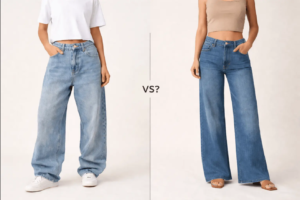 ple thighs, and generous calves, often lending a distinctly ‘90s or streetwear vibe. Wide leg jeans, meanwhile, are structured at the waist and hips, then flare dramatically (and evenly) from thigh to hem, delivering a tailored-yet-relaxed silhouette that has surged in popularity for its vintage appeal.
Sustainability: Making the Responsible Choice
The fashion industry faces mounting pressure to clean up its act, and jeans are a major player in the sustainability conversation. Traditional denim production is resource-intensive, often involving excessive water and chemicals. So, how do baggy and wide leg jeans stack up on the green scale?
- Material Use: Both baggy and wide leg designs use more fabric than their skinny cousins, which means slightly higher resource consumption per pair. However, many eco-friendly brands prioritize organic cotton or recycled fibers, turning the dial toward better practices, regardless of cut.
- Longevity: The relaxed fit of wide leg and baggy styles tends to endure both physically (they don’t wear out as quickly at seams) and stylistically (timeless shapes trump fleeting fads). That means you’re less likely to toss them after one season score one for the planet.
- Care and Repair: Simple silhouettes are easier to patch, hem, or tailor. So, investing in high-quality loose-fit jeans could pay off with years of wear, reducing your fashion footprint.
Comfort: Living Life Off-Leash
Let’s get real comfort is non-negotiable. Baggy jeans deliver the ultimate in slouchy ease. Think dancing, sitting cross-legged, or racing across town for your morning coffee. Wide leg jeans, on the other hand, offer that tailored comfort: the waist sits just right, while roomy legs let in air and ease up your stride.
- Baggy jeans: Ideal for casual days, travel, or lounging, thanks to their unrestricted cut.
- Wide leg jeans: Perfect if you want comfort with polish even office days or dinners out benefit from their put-together effect.
The verdict? Choose baggy styles if ease is everything; pick wide leg for comfort with structure.
Style and Aesthetics: Making It Your Own
Here’s where things get fun. Both fits offer versatility but express different moods. Baggy jeans radiate urban cool think skateparks and offbeat coffee shops. They pair well with fitted tees, oversized knits, or classic sneakers for a laid-back look.
Wide leg jeans offer sophistication and a nod to retro flair. Picture cropped blouses, tucked-in shirts, or blazers either way, you’ll serve strong, chic lines. They flatter a wide range of body types by balancing proportions and creating a longer silhouette.
Tips for Styling Baggy and Wide Leg Jeans
Ready to make either fit work for you? Here’s how to do it effortlessly:
- Counter the volume: Pair baggy or wide jeans with fitted or structured tops for balance.
- Shoe game matters: Sneakers suit baggy fits, while boots or heeled sandals elevate wide legs.
- Accessorize: Belts can define your waist and keep looser styles looking intentional.
Buying Guide: What to Check Before Choosing Your Fit
Still weighing baggy vs. wide leg jeans: which fit should you choose? Keep these factors in mind while shopping:
- Quality of Denim: Look for brands using sustainable dyes and fabrics. Read labels organic or recycled denim is a plus.
- Fit Matters: Both styles should stay comfortable at the hips and waist no digging or gaping.
- Versatility: Opt for classic washes and minimal distressing for longer-lasting appeal.
And don’t forget: try jeans on with the shoes and tops you’ll actually wear. Sometimes, the best fit is the one that simply feels right.
Baggy vs. Wide Leg Jeans: Which Fit Should You Choose?
There’s no wrong answer here just what makes you feel your best. Baggy jeans are great when comfort reigns supreme and you’re leaning into a laid-back aesthetic. Wide leg jeans bring classic silhouette and ease to everything from busy workdays to brunch with friends.
Whichever you choose, remember: prioritizing sustainable fabrics and timeless cuts means you’ll look good and feel even better about your impact. So next time you’re standing in that dressing room, ask yourself what your day (and your heart) needs most and go for it.
Ready to find your new favorite fit? Explore different brands, styles, and stories behind your jeans because style is personal, and your choices matter.