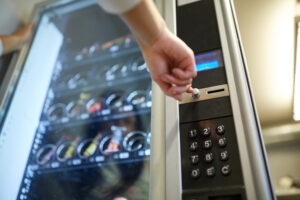
Automated retail systems provide convenience and efficiency, transforming the way businesses deliver products directly to customers. Many entrepreneurs consider entering this sector after searching for vending machine for sale near me, but understanding the real operating costs is critical for sustainable profits. Operating costs go beyond the initial purchase and installation, including ongoing expenses like maintenance, inventory management, and software updates. Analyzing these costs step by step ensures better decision-making, reduces unexpected losses, and maintains steady revenue. Detailed awareness of all factors allows operators to balance automation advantages with financial responsibility, avoiding pitfalls that arise from underestimating long-term costs. This guide explores every major expense in automated retail systems, breaking them down into actionable insights for current and prospective business owners.
Initial Setup and Equipment Investment
The first step in evaluating operating costs is the upfront investment. Automated retail machines vary in price depending on features, size, and technology. High-end machines offer multiple payment options, smart inventory tracking, and energy-saving components, while refurbished units may provide lower entry costs with trade-offs in reliability. Payment systems can range from cash-only configurations to full cashless and contactless setups, influencing both initial cost and long-term efficiency. Selecting machines based on expected product demand and location traffic ensures better return on investment. Installation may involve minor construction, electrical work, or network setup, all contributing to early-stage expenses. Factoring in the total cost of acquisition and setup before deployment provides a realistic understanding of financial commitment and supports budgeting for other operational areas.
Energy Consumption and Power Efficiency
Energy costs represent a continuous operational expense that can significantly impact profit margins. Machines with refrigeration or climate control consume more electricity, while LED lighting and energy-saving motors reduce long-term usage. Comparing energy ratings across models helps identify machines that maintain performance at lower costs. Strategic placement of machines in naturally cooler or less sun-exposed locations can reduce electricity demand. Peak energy periods in certain regions may also influence operational expenses, emphasizing the need to evaluate both local electricity rates and machine efficiency. Optimizing power settings, scheduling rest periods for low-demand hours, and monitoring energy consumption remotely allows operators to maintain functionality without incurring excessive charges, making energy efficiency a key consideration in sustainable automated retail management.
Maintenance and Technical Support Expenses
Regular servicing, part replacement, and software troubleshooting form essential maintenance expenses.
- Routine inspections ensure smooth operation and prevent unexpected breakdowns, avoiding lost sales.
- Replacement of components like motors, belts, or screens is necessary for maintaining machine reliability and safety.
- Software updates, bug fixes, and remote diagnostics may require subscription fees or professional service contracts.
Emergency repairs for damaged machines or malfunctions can lead to sudden costs, often higher than planned budgets. Proper maintenance planning, including preventative measures and service agreements, reduces downtime and ensures machines operate efficiently. Technical support contracts provide timely response and minimize revenue loss while offering guidance on system upgrades or adjustments. Maintaining detailed maintenance logs and scheduling routine checks strengthens cost predictability and machine longevity.
Inventory Management and Product Loss
Inventory represents one of the most dynamic operating costs in automated retail. Poor demand forecasting can lead to overstocking or understocking, directly affecting revenue. Products with limited shelf life require careful rotation to prevent spoilage, especially in refrigerated units. Theft or vandalism can also lead to inventory shrinkage, increasing replacement frequency and cost. Implementing smart tracking and real-time monitoring minimizes losses and ensures optimal stock levels. Efficient restocking schedules and data-driven product selection allow operators to maximize sales without overcommitting to perishable or low-demand items. Managing inventory effectively balances supply with demand, reduces waste, and helps maintain consistent customer satisfaction while controlling operating expenses.
Payment Processing and Transaction Fees
Cashless and card-based payment systems incur processing fees that affect margins. Each transaction, whether via credit card, mobile wallet, or QR code, involves a small fee from financial institutions or service providers. Choosing the right payment processor and understanding fee structures reduces unnecessary costs. Machines accepting multiple payment types offer convenience but may include higher integration or subscription fees. Operators must weigh customer convenience against ongoing processing costs, ensuring that added payment flexibility does not erode profitability. Regular analysis of transaction data helps identify trends and optimize payment methods for both efficiency and cost-effectiveness, ultimately supporting sustainable revenue management.
Location Fees and Placement Costs
Securing the right location is essential for generating revenue, and associated fees are a significant operating cost.
- Revenue-sharing agreements with property owners or retail spaces may involve a fixed percentage of sales.
- Some placements require flat rental fees or commissions, influencing net income.
- High-traffic locations attract more customers but may have higher charges, while low-traffic areas are less expensive but yield lower sales.
Contract length, renewals, and additional services, such as electricity or maintenance support, can further affect total costs. Careful analysis of location potential, expected traffic, and associated expenses ensures optimal placement decisions and maximizes return on investment for automated retail systems.
Software, Monitoring, and Connectivity Costs
Remote monitoring systems, analytics tools, and connectivity subscriptions constitute ongoing expenses that maintain operational efficiency. Machines equipped with smart tracking require internet access for inventory updates, performance reports, and customer interactions. Subscription fees for cloud-based monitoring platforms ensure timely alerts and actionable insights. Data plans or Wi-Fi connections may vary depending on coverage, bandwidth, and speed, contributing to recurring costs. Investing in robust software systems enhances operational oversight and decision-making. Tracking performance metrics, machine health, and inventory levels in real time allows proactive management, preventing unexpected downtime and optimizing overall efficiency.
Labor and Operational Time Investment
Human involvement remains necessary despite automation. Staff time for restocking, troubleshooting, and customer support represents an indirect operating cost. Scheduling efficient routes for multiple machines reduces travel time and labor expenses. Staff training ensures machines are handled correctly and reduces operational errors. While automated systems minimize repetitive tasks, managing logistics, responding to technical issues, and performing occasional audits still require dedicated effort. Estimating labor hours accurately and optimizing workflow prevents hidden costs from eroding profit margins. Clear operational plans, combined with technology-assisted scheduling, allow businesses to maximize automation benefits while controlling human resource expenses.
Conclusion
Operating costs in automated retail systems extend far beyond initial purchase prices. From energy consumption to maintenance, inventory management, payment processing, location fees, software, and labor, each factor influences profitability and long-term sustainability. Evaluating these costs systematically and implementing cost-control measures ensures machines operate efficiently and generate steady revenue. Prioritizing preventive maintenance, efficient inventory management, and smart payment solutions minimizes unexpected expenses, while careful location selection and labor planning support overall financial health. Comprehensive awareness of operating costs enables business owners to maximize automation benefits, reduce waste, and maintain a reliable, customer-focused retail experience.
FAQs
What are the main operating costs for automated retail systems?
Operating costs include energy consumption, maintenance, inventory management, payment processing fees, location fees, software subscriptions, and labor-related expenses. Each factor directly affects profitability and requires careful monitoring.
How can energy costs be reduced for vending machines?
Energy costs can be minimized through efficient machine selection, LED lighting, energy-saving motors, smart cooling systems, and optimal placement in low-heat environments. Regular monitoring further controls consumption.
What role does inventory management play in cost control?
Effective inventory management prevents product spoilage, reduces theft, and ensures stock availability. Smart tracking and accurate demand forecasting are essential for minimizing waste and maintaining sales.
Are software and connectivity expenses necessary for automated retail systems?
Yes, software and connectivity enable real-time monitoring, performance analytics, and remote management. Subscription costs are ongoing but essential for efficiency and avoiding unexpected downtime.