Managing diabetes comes with its challenges, and among the most significant is keeping track of blood glucose levels. For years, people with diabetes have relied on traditional finger-stick tests, which only provide a snapshot of blood sugar levels at a single point in time. However, with the advent of continuous glucose monitors (CGMs), there’s a more advanced, real-time way to monitor blood sugar levels throughout the day and night.
Despite their numerous benefits, one common concern is the cost of continuous glucose monitor systems. While CGMs may seem like an expensive investment, many users report that the long-term benefits far outweigh the initial costs. In this blog, we’ll take a closer look at how the cost of continuous glucose monitor systems breaks down, the financial advantages of using a CGM, and why it could ultimately save you money in the long run.
What Is a Continuous Glucose Monitor?
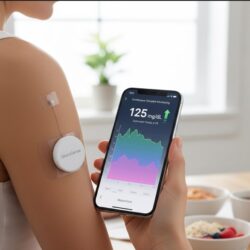
A continuous glucose monitor (CGM) is a small, wearable device that measures glucose levels in real time, offering more comprehensive tracking than traditional finger-stick blood tests. It provides continuous data, updating every few minutes, allowing people with diabetes to monitor fluctuations in their blood sugar levels throughout the day and night.
A CGM system consists of three main components:
-
Sensor – This is placed under the skin to measure glucose levels in the interstitial fluid. It typically lasts 7-14 days, depending on the brand.
-
Transmitter – The transmitter sends data from the sensor to a receiver or mobile device.
-
Receiver or Display Device – This is where you can view your glucose levels. It could be a smartphone app, a standalone device, or a smartwatch.
For people with diabetes, CGMs offer the benefit of continuous, real-time feedback. With this data, users can make immediate adjustments to their diet, exercise, and insulin regimen, improving their overall diabetes management.
The Cost of Continuous Glucose Monitor Systems: A Breakdown
Before discussing the financial benefits, let’s take a look at the cost of continuous glucose monitor systems in more detail. The initial purchase of a CGM system and the ongoing costs for sensors and other accessories are the primary expenses.
1. Initial Device Cost
The initial cost of purchasing a CGM device typically ranges from $300 to $1,000. This cost covers the monitor, the transmitter, and any necessary accessories. Some CGMs, like Dexcom G6 and Medtronic Guardian Connect, include a starter kit with all the necessary components, while others may require additional accessories or purchases.
For instance:
-
Dexcom G6 Starter Kit: Around $500–$600
-
Freestyle Libre 2 Starter Kit: Around $70–$100 (without sensors)
This is a one-time purchase unless you need to replace the device after a few years or if it gets damaged.
2. Sensor Costs
The sensor is the most frequent recurring cost associated with CGMs. Sensors generally last between 7 and 14 days, depending on the system, and need to be replaced regularly. The price for a CGM sensor ranges from $35 to $100 per sensor.
For example:
-
Freestyle Libre: Around $70–$85 per sensor (14 days)
-
Dexcom G6: Around $350 for a 30-day supply (pack of 3 sensors)
If you need to replace the sensor every 10-14 days, the total monthly cost of sensors can range from $140 to $400.
3. Transmitter and Accessories
Some CGM models, such as the Dexcom G6, also require a separate transmitter that needs to be replaced every 3-6 months. These transmitters usually cost between $200 and $400, depending on the brand.
Additional accessories, such as adhesive patches to keep the sensor in place or carrying cases, could add to the overall cost but are generally less significant compared to the sensors and transmitters.
4. Out-of-Pocket Expenses
For those who do not have insurance or whose insurance does not fully cover CGMs, these costs can add up quickly. For example, without insurance, a user of Linx CGM or similar devices could pay an estimated $250 to $500 per month for the CGM system, including sensors and transmitter replacements.
The Long-Term Financial Benefits of Using a CGM
Now that we’ve outlined the costs, it’s important to consider how using a CGM can save money in the long run. While the cost of continuous glucose monitor systems may seem high initially, the benefits—both health-wise and financially—can make the investment worthwhile.
1. Avoiding Costly Medical Emergencies
One of the biggest financial benefits of using a CGM is the potential to avoid costly medical emergencies associated with poorly managed blood sugar levels. With traditional blood sugar testing, it can be difficult to catch spikes or drops in glucose levels before they lead to problems. CGMs, on the other hand, provide continuous, real-time data that alerts users to potential issues before they become critical.
By proactively managing glucose levels, CGM users are less likely to experience life-threatening episodes of hypoglycemia (low blood sugar) or hyperglycemia (high blood sugar), which often require emergency treatment, hospital visits, or even admission. The financial cost of emergency room visits and hospitalization can be far higher than the ongoing cost of a CGM.
2. Improved Diabetes Management
CGMs allow users to monitor glucose fluctuations throughout the day, not just at a single point in time. With this real-time feedback, individuals can adjust their insulin dosage, dietary habits, and exercise routine immediately when needed.
In the long run, consistent and improved glucose control can lead to a reduction in the need for medical interventions, fewer doctor’s visits, and potentially lower prescription medication costs. A person who is effectively managing their diabetes may experience fewer complications such as diabetic neuropathy, retinopathy, or kidney disease, which can lead to substantial medical bills if left untreated.
3. Insurance Coverage and Financial Support
Many insurance plans, including Medicare, now offer partial or full coverage for CGM systems, especially for individuals with type 1 diabetes or those on insulin therapy. Even if your insurance doesn’t fully cover the cost of continuous glucose monitor systems, some insurance policies may still help offset some of the expenses, such as sensor costs and transmitters.
Additionally, many CGM providers offer financial assistance programs to help people who may have trouble affording the technology. By exploring your insurance options and available assistance programs, you may be able to significantly reduce the out-of-pocket costs.
4. Potential Reduction in A1C Levels
A study by the American Diabetes Association found that individuals who use CGMs can achieve better A1C levels (a measure of long-term blood sugar control). Lower A1C levels can help prevent long-term diabetes complications, reducing the need for medications or more intensive treatments down the line.
By keeping your A1C levels within the target range, you are less likely to face the high costs of treating complications like heart disease, stroke, or kidney failure—issues that are far more expensive to manage than using a CGM in the first place.
5. Better Quality of Life and Productivity
The ability to track glucose levels continuously can lead to better overall health and a higher quality of life. For many users, CGMs reduce the mental burden of managing diabetes. With real-time feedback, users feel more empowered to make decisions that will help them stay healthy, whether it’s adjusting their meal plans, taking their insulin, or choosing the right time to exercise.
When you feel healthier and more confident in managing your condition, you may also experience increased productivity and fewer sick days. This can lead to financial benefits for working professionals, who may find that their health improves over time, reducing the number of days lost to illness.
Conclusion
While the cost of continuous glucose monitor systems may seem high at first glance, the long-term financial benefits make them a wise investment for many individuals with diabetes. By improving glucose control, avoiding medical emergencies, reducing complications, and increasing overall quality of life, CGMs can ultimately save users significant amounts of money in the long run.
If you’re ready to take control of your diabetes with a continuous glucose monitor, visit Linx CGM at https://linxcgm.com for more information on our products and how we can help you manage your health more effectively.