Key Takeaways
- Finding family-friendly dental care in the Hills District means looking for practices that welcome patients of all ages and create comfortable experiences for children
- The right dental practice offers preventive care, emergency services, and specialists who understand pediatric anxiety
- Establishing consistent oral health habits early prevents costly treatments and builds lifetime dental confidence
- Location, appointment flexibility, and a welcoming atmosphere matter as much as clinical expertise
Why Choose a Family-Friendly Dentist in The Hills?
Choosing a dentist shouldn’t feel like a chore, yet many families put it off because coordinating separate appointments for kids and adults becomes exhausting. A single practice that treats everyone from toddlers to grandparents simplifies scheduling and builds continuity of care that genuinely matters. Family-friendly dental care in the Hills District has become increasingly accessible, with practices specifically designed to handle the unique needs of every age group under one roof.
The practical benefits extend beyond convenience. When your children see you calmly sitting in the dental chair, they learn that checkups are routine rather than scary. Shared appointments also mean one trip instead of three, which busy parents appreciate more than almost anything else. Practices throughout the Hills have recognized this demand and responded with extended hours, Saturday availability, and waiting rooms that don’t make kids want to run for the exit.
Beyond logistics, there’s something valuable about a dentist who knows your family’s dental history. They notice patterns, remember that your daughter grinds her teeth during exam season, and track how your son’s adult teeth are coming in. This relationship-based care catches problems earlier and creates treatment plans that actually fit your life.
Benefits of Pediatric Dental Care
Starting dental visits early—ideally by age one—sets the foundation for oral health that lasts decades. Pediatric-focused care within family practices addresses baby teeth with the seriousness they deserve, despite the common misconception that they don’t matter since they’ll fall out anyway. Cavities in baby teeth can damage developing permanent teeth and create painful infections that affect eating, speaking, and concentration at school.
Quality pediatric care includes:
- Fluoride treatments and sealants that prevent up to 80% of cavities in molars
- Growth monitoring to catch alignment issues before they require extensive orthodontics
- Age-appropriate education that teaches brushing technique without boring kids to tears
- Gentle approaches that reduce anxiety and build positive associations with dental visits
Children who receive consistent preventive care require fewer fillings, extractions, and emergency visits. The Australian Dental Association recommends checkups every six months for children, and practices offering family-friendly dental care in the Hills District typically make these appointments genuinely kid-friendly rather than just tolerating young patients.
Creating Positive Dental Experiences for Children
Fear of the dentist often starts in childhood and follows people into adulthood, leading to avoided appointments and worsening oral health. Breaking this cycle requires intentional effort from dental teams who understand child psychology. The best family practices train their staff specifically in pediatric communication techniques.
Effective strategies include:
- Tell-show-do methodology where dentists explain procedures in simple terms before demonstrating on a model
- Distraction techniques including ceiling-mounted screens and noise-canceling headphones
- Positive reinforcement through sticker charts and small rewards
- Parent presence during procedures for younger children who need reassurance
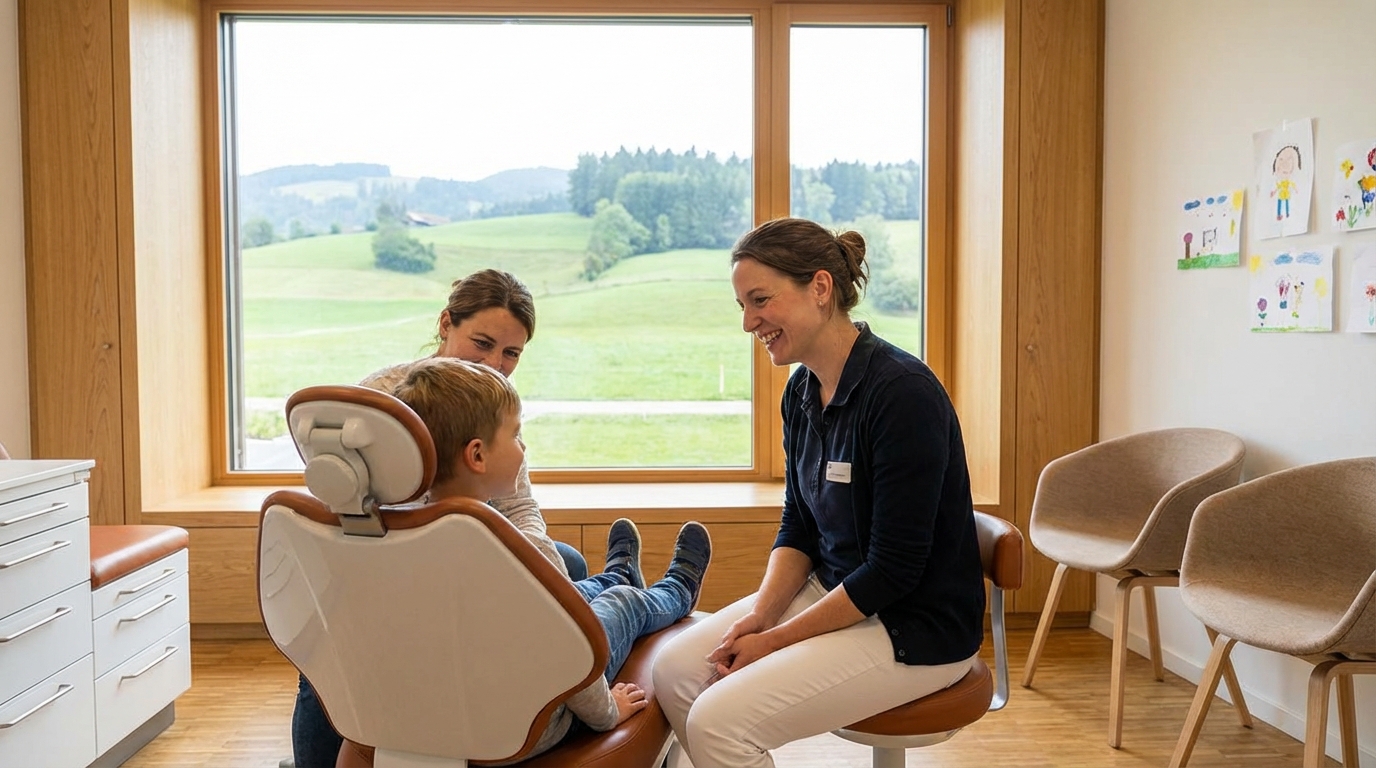
The physical environment matters too. Practices that invest in colourful waiting areas, kid-sized furniture, and toy collections signal that children are genuinely welcome. Some family-friendly dental care in the Hills District locations even offer separate entrances or waiting zones so anxious kids don’t absorb stress from nervous adults in the room.
Top Dental Practices in The Hills for Families
The Hills District offers numerous options for families seeking comprehensive dental care, but not all practices genuinely cater to multiple generations. Some advertise family services while lacking pediatric training or age-appropriate equipment. Doing your research before booking saves frustration and ensures everyone receives appropriate care, so it’s always wise to visit Indental Castle Hill to explore whether their approach aligns with your family’s needs.
Look for practices that explicitly list pediatric dentistry among their services and employ dentists with additional training in treating children. Check whether they offer orthodontic consultations, as many families prefer keeping all dental needs within one practice rather than receiving referrals elsewhere. Online reviews from other parents provide honest insight into how practices actually handle squirmy toddlers and nervous teenagers.
The Hills area benefits from a mix of established practices and newer clinics, each with different strengths. Established practices often have longer relationships with families and deeper community ties. Newer clinics may feature updated technology and modern approaches to patient comfort. Neither is inherently better—what matters is finding the right fit for your family’s specific needs and preferences.
Factors to Consider When Choosing a Dentist
Selecting a family dentist involves weighing multiple factors beyond just proximity to your home. While location matters for those rushed after-school appointments, other considerations deserve equal attention.
Essential evaluation criteria include:
- Range of services: Does the practice handle everything from routine cleanings to root canals, or will you need referrals for anything beyond basic care?
- Insurance and payment options: Many families need flexible payment plans for larger treatments
- Emergency availability: Dental emergencies don’t wait for Monday morning, so after-hours contact options matter
- Staff turnover: Consistent staff helps anxious patients build trust over time
- Technology investment: Digital X-rays reduce radiation exposure, and modern equipment often means faster, more comfortable procedures
Scheduling a meet-and-greet before committing allows you to assess the practice atmosphere firsthand. Quality providers welcome these visits and understand that families want to feel comfortable before booking actual appointments. Family-friendly dental care in the Hills District should feel welcoming from the moment you walk through the door.
Maintaining Optimal Oral Health for the Whole Family
Professional dental care represents only half the equation. What happens at home between appointments determines whether your family develops cavities, gum disease, or maintains healthy smiles for life. Establishing consistent routines requires effort initially but becomes automatic over time.
The foundation is simple: brush twice daily for two minutes, floss once daily, and limit sugary snacks and drinks. Execution proves harder, especially with children who rush through brushing or teenagers who skip flossing entirely. Making oral hygiene a family activity rather than a solitary chore increases compliance. Brushing together, timing each other, and making it mildly competitive transforms a boring task into something almost enjoyable.
Diet plays a larger role than many families realize. Frequent snacking—even on healthy foods—keeps teeth bathed in acids that erode enamel. Sticky foods like dried fruit cling to teeth longer than chocolate and cause more damage despite seeming healthier. Water remains the best beverage choice, while sports drinks and fruit juices often contain as much sugar as soft drinks.
Preventive Care Tips for Children and Adults
Prevention costs less than treatment in both money and discomfort. Investing time in daily habits and regular checkups avoids the expense and pain of fillings, crowns, and root canals.
Age-specific recommendations include:
- Infants: Wipe gums with a soft cloth after feeding, even before teeth appear
- Toddlers: Use a rice-grain-sized amount of fluoride toothpaste and supervise brushing until age seven or eight
- School-age children: Introduce flossing when teeth touch, typically around age four
- Teenagers: Address increased cavity risk from snacking, sports drinks, and inconsistent habits
- Adults: Watch for gum recession, sensitivity, and signs of grinding or clenching
- Seniors: Monitor dry mouth from medications and increased gum disease risk
Family-friendly dental care in the Hills District providers can customize these recommendations based on individual risk factors. Some families have genetic predispositions to certain conditions, while others face challenges from medications, orthodontics, or dietary restrictions. Personalized advice from a dentist who knows your family proves more valuable than generic guidelines.
FAQ
How often should my family visit the dentist?
Most children and adults benefit from checkups every six months, though some individuals need more frequent visits. Those with gum disease, high cavity risk, or orthodontic appliances may require quarterly appointments. Your dentist will recommend a schedule based on each family member’s specific needs.
At what age should my child first see a dentist?
The Australian Dental Association recommends a first visit by age one or within six months of the first tooth appearing. Early visits establish comfort with the dental environment and allow dentists to spot potential issues before they become problems.
What should I do if my child is terrified of the dentist?
Start with a simple meet-and-greet visit where no treatment occurs. Read positive books about dental visits, avoid sharing your own dental anxieties, and choose a practice experienced with anxious children. Gradual exposure typically reduces fear over time.
Does family-friendly dental care in the Hills District cost more than regular practices?
Pricing varies by practice rather than by family-friendly designation. Many family practices offer competitive rates and accept major insurance plans. Ask about payment plans for larger treatments and whether preventive care is included in standard checkup fees.
Conclusion
To wrap up, finding the right dental home for your family requires balancing convenience, expertise, and atmosphere. Family-friendly dental care in the Hills District offers numerous options for parents seeking practices that genuinely welcome patients of all ages. The key insights worth remembering: start dental visits early, prioritize prevention over treatment, and choose a practice where your children feel comfortable rather than terrified.
Your next step is straightforward—schedule that overdue checkup or book a meet-and-greet at a new practice. Dental health compounds over time, meaning small investments in prevention today prevent significant problems tomorrow. Your family’s smiles depend on the habits and relationships you build now.