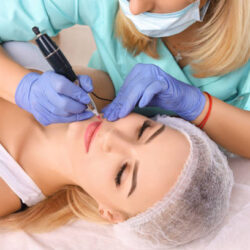
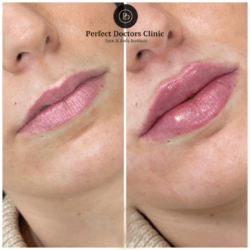
In recent years, lip fillers have become increasingly popular among young adults and even teenagers, raising questions and concerns for parents. In Islamabad, Lip Filler in Islamabad is widely available and offers safe, minimally invasive enhancements for fuller and well-defined lips. However, when it comes to teenagers, parents need to understand the benefits, risks, and ethical considerations before approving such treatments.
This blog explores what parents should know about teenagers considering lip fillers, safe practices, and how to make informed decisions.
Why Teenagers Consider Lip Fillers
There are several reasons why teenagers are drawn to lip fillers:
-
Influence of Social Media
Platforms like Instagram and TikTok popularize fuller lips, influencing teens to pursue similar looks. -
Peer Pressure
Teens may feel societal or peer pressure to conform to beauty trends. -
Self-Esteem and Confidence
Lip fillers can boost confidence for teens who feel self-conscious about their appearance. -
Celebrity Trends
Endorsements by celebrities and influencers often set unrealistic beauty standards for young people.
Understanding the motivations behind this interest helps parents address the conversation responsibly.
Safety Considerations for Teenagers
While lip fillers are generally safe, special considerations are necessary for teenagers:
-
Age Restrictions
Many clinics recommend patients be at least 18 years old, as facial development continues into late adolescence. -
Psychological Readiness
Teenagers need to understand the procedure, possible results, and temporary nature of fillers to avoid regret or unrealistic expectations. -
Medical Safety
Certified practitioners screen for allergies, medical conditions, or medications that could increase risks. -
Temporary Nature of Fillers
Most lip fillers last 6–12 months, which allows teens to experiment safely without permanent changes.
By addressing these considerations, parents can ensure that any cosmetic procedure is both safe and appropriate for their child.
Risks and Complications
Even minor procedures like lip fillers carry potential risks, especially in teenagers:
-
Swelling and Bruising: Temporary side effects that can last a few days.
-
Allergic Reactions: Rare, but possible with any filler material.
-
Infection: Risk minimized with certified clinics and proper hygiene.
-
Unrealistic Expectations: Teenagers may expect dramatic results that are not feasible or natural-looking.
Parents should ensure that their teen fully understands these risks and that procedures are only performed by experienced professionals.
Role of Parents in the Decision-Making Process
Parents play a critical role in guiding teenagers through decisions about cosmetic procedures:
-
Educate About Risks and Benefits
Discuss potential side effects, results, and the temporary nature of fillers. -
Set Realistic Expectations
Encourage subtle enhancements rather than dramatic changes to maintain natural facial balance. -
Choose a Certified Clinic
Ensure the procedure is performed in a reputable clinic with certified professionals. -
Provide Emotional Support
Teenagers may feel anxious or insecure about appearance, so emotional guidance is crucial. -
Monitor Post-Treatment Care
Help teenagers follow aftercare instructions to reduce swelling, bruising, or complications.
Active parental involvement ensures a safer and more positive experience for teenagers.
Alternatives to Lip Fillers for Teens
For teens who are not ready for injections, there are safer alternatives to enhance lip appearance:
-
Topical Lip Plumpers: Temporary and non-invasive products that provide subtle fullness.
-
Makeup Techniques: Lip liner and gloss can create the illusion of fuller lips without injections.
-
Hydration: Proper hydration improves natural lip volume and texture.
-
Temporary Lip Boosters: Non-permanent, minimally invasive treatments that add hydration and slight plumpness.
These alternatives allow teens to experiment with lip enhancement safely while avoiding the risks of injections.
How to Choose a Safe Clinic
Parents should ensure any clinic chosen for a teenage patient prioritizes safety and professionalism. Key factors include:
-
Certified Practitioners
The injector should have formal training in cosmetic procedures. -
Use of High-Quality Fillers
Only FDA-approved or clinically tested fillers should be used. -
Comprehensive Consultation
Clinics should provide full information about the procedure, risks, and expected results. -
Aftercare Support
Proper post-treatment guidance ensures safe recovery and optimal results.
Choosing the right clinic is essential for minimizing risks and ensuring a positive experience.
Frequently Asked Questions (FAQs)
1. At what age can teenagers get lip fillers?
Most clinics recommend patients be at least 18 years old, as facial development continues into late adolescence.
2. Are lip fillers safe for teenagers?
When performed by certified professionals with appropriate screening and precautions, lip fillers can be safe. However, parental supervision and psychological readiness are critical.
3. How long do lip fillers last?
Hyaluronic acid fillers typically last 6–12 months, making them reversible and temporary.
4. Can lip fillers be adjusted if the results are not satisfactory?
Yes, fillers can be adjusted or safely dissolved with hyaluronidase if needed.
5. Are there non-invasive alternatives for teens?
Yes, options include topical plumpers, makeup techniques, hydration, and temporary lip boosters.
Conclusion
Lip fillers for teenagers require careful consideration, parental guidance, and professional expertise. While these treatments can boost confidence and enhance appearance, safety, realistic expectations, and emotional readiness are essential. Parents should ensure that any cosmetic procedure is age-appropriate, medically safe, and performed in a certified clinic.
For professional and safe Lip Filler in Islamabad, and to receive expert guidance for teenagers considering lip enhancement, trust the certified team at SKN Cosmetic Clinic. Their experienced practitioners provide personalized consultations, ensure safety, and deliver natural-looking results tailored to each patient’s facial features and aesthetic goals.