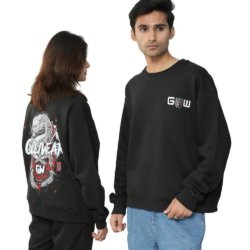
Custom apparel is increasingly popular in Canada, thanks to businesses and hobbyists looking to create personalized T-shirts, hoodies, and other fabric products. One printing method that has gained significant traction is Direct-to-Film (DTF) transfers. With DTF transfers Canada, creators can produce vibrant, durable designs on a variety of fabrics, making this technique a favorite among small businesses, online sellers, and DIY enthusiasts.
Companies like Design Gang Sheet provide high-quality DTF films, powders, and expert guidance, helping Canadians achieve professional results every time. This step-by-step guide will walk you through the entire process of applying DTF transfers, from preparation to finishing touches, ensuring your prints look flawless and last long.
What You Need to Get Started
Before you start, it’s important to gather all the necessary tools and materials:
-
DTF transfer film: Special PET films designed for DTF printing.
-
DTF inks and printer: A DTF-compatible printer with high-quality inks.
-
Adhesive powder: Hot-melt adhesive powder that bonds the ink to fabric.
-
Heat press machine: For applying the design to the fabric.
-
Fabric item: T-shirts, hoodies, or other apparel.
-
Lint roller or brush: To remove dust or debris from the fabric.
-
Parchment paper or Teflon sheet: To protect the print and fabric during heat pressing.
Using premium products from Design Gang Sheet ensures better adhesion, color vibrancy, and durability for your DTF transfers in Canada.
Step 1: Prepare Your Design
The first step in DTF printing is preparing your digital design. Consider the following:
-
Resolution: Ensure your design is at least 300 DPI for sharp results.
-
Colors: DTF allows full-color prints, including gradients and shadows.
-
Size: Adjust the size of your design to fit the garment properly.
-
Mirror Image: Most designs need to be mirrored before printing on the film, so they appear correctly on the fabric.
Using a design software like Adobe Illustrator, Photoshop, or free alternatives helps ensure your artwork is optimized for DTF printing.
Step 2: Print the Design on DTF Film
Once your design is ready:
-
Load the DTF film into the printer.
-
Print the design using DTF inks compatible with the film.
-
Ensure the print layer is consistent and vibrant.
At this stage, quality control is crucial. A well-printed film will result in a smoother transfer and better adhesion to the fabric. Companies like Design Gang Sheet provide top-tier DTF films and inks that simplify this step, especially for beginners.
Step 3: Apply Adhesive Powder
After printing, the next step is to apply the hot-melt adhesive powder:
-
While the ink is still wet, evenly sprinkle adhesive powder over the printed design.
-
Shake off excess powder to avoid clumps.
-
Ensure the powder covers the entire design for consistent adhesion.
The adhesive powder is critical because it allows the ink to bond permanently to the fabric during heat pressing. Using high-quality powder from Design Gang Sheet ensures strong and durable adhesion.
Step 4: Cure the Powder
After applying the adhesive powder, it must be cured to bond with the ink:
-
Place the film in a curing oven or use a heat gun according to the powder manufacturer’s instructions.
-
The adhesive should melt slightly but not overheat.
-
Allow the film to cool before the next step.
Proper curing ensures the design transfers cleanly to the fabric and prevents peeling or cracking.
Step 5: Prepare the Fabric
Before applying the DTF transfer to your garment:
-
Wash or iron the fabric to remove wrinkles.
-
Use a lint roller or brush to remove dust or debris.
-
Preheat your heat press to the recommended temperature (typically 320–330°F / 160–165°C, depending on the powder and fabric).
A clean and smooth surface is essential for a professional-looking print.
Step 6: Transfer the Design
Now you’re ready to transfer your design to the fabric:
-
Place the printed DTF film face down onto the fabric.
-
Cover with parchment paper or a Teflon sheet to protect the print and fabric.
-
Use a heat press to apply pressure and heat for the recommended duration (usually 15–20 seconds).
-
Remove the film carefully once the fabric has cooled slightly.
DTF transfers are designed to produce vibrant, flexible prints that feel soft to the touch. Proper heat pressing ensures the adhesive fully bonds with the fabric.
Step 7: Post-Press Care
After applying the DTF transfer:
-
Allow the garment to cool completely before handling.
-
Avoid immediate washing to ensure the adhesive sets fully.
-
For best results, wash garments inside out in cold water and avoid high-heat drying.
Following these steps ensures your DTF prints remain vibrant and durable, even after multiple washes.
Tips for Professional Results
-
Use High-Quality Materials: Premium films, powders, and inks from Design Gang Sheet make a noticeable difference in adhesion and color vibrancy.
-
Test Before Mass Production: Always test your design on a sample fabric to ensure the transfer works correctly.
-
Maintain Heat Press Settings: Incorrect temperature or pressure can result in incomplete adhesion or damaged designs.
-
Keep Workspace Clean: Dust or debris can affect transfer quality. Pre-clean fabrics and surfaces.
-
Store Transfers Properly: Keep unused DTF films in a cool, dry place to prevent ink or powder degradation.
Why DTF Transfers Are Ideal for Canadian Businesses
Canadian entrepreneurs are increasingly adopting DTF transfers Canada because of their versatility and efficiency:
-
Small Batch Friendly: Ideal for custom orders or limited editions.
-
Full-Color Designs: Allows gradients, photos, and intricate artwork.
-
Works on Various Fabrics: From cotton to polyester and blends.
-
Cost-Effective: Reduces setup costs compared to screen printing.
By partnering with Design Gang Sheet, Canadian businesses gain access to reliable materials and support that make DTF printing straightforward and profitable.
Conclusion
DTF transfers have transformed the custom apparel industry, offering Canadian businesses a modern, flexible, and cost-effective solution for high-quality printing. With DTF transfers Canada, you can produce detailed, vibrant designs on a wide range of fabrics, perfect for small batches, custom orders, or even larger runs.
By following this step-by-step guide—preparing your design, printing on DTF film, applying and curing adhesive powder, and heat pressing carefully—you can achieve professional results that rival any commercial printing service. Companies like Design Gang Sheet provide the essential materials, technical guidance, and support needed to make every transfer look flawless.
Whether you are a small business owner, an online seller, or a DIY enthusiast, mastering DTF transfers in Canada opens up endless possibilities for creating personalized, high-quality apparel that customers will love.