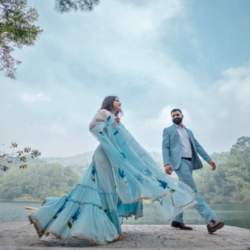
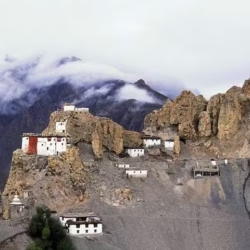
A Shimla Manali tour from Delhi is one of India’s most popular hill station getaways, offering a perfect combination of scenic beauty, adventure, and cultural experiences. From Shimla’s colonial charm and pine forests to Manali’s snow-capped peaks and serene rivers, these destinations attract travelers year-round. However, the best experience depends largely on the season in which you travel.
This guide provides a detailed look at the ideal time to visit, seasonal highlights, and travel tips to help you plan a comfortable and memorable Shimla Manali tour from Delhi.
Why Timing Matters
Shimla and Manali are located in the Himalayas, where weather and road conditions vary significantly throughout the year. Choosing the right time ensures:
- Pleasant weather for sightseeing and outdoor activities
- Access to seasonal attractions such as snow in winter or greenery during monsoon
- Safe and smooth travel along hilly roads
- Better accommodation and transport options at reasonable prices
Best Time to Visit Shimla and Manali
A Shimla Manali tour from Delhi is one of India’s most popular hill station getaways, offering a perfect combination of scenic beauty, adventure, and cultural experiences. From Shimla’s colonial charm and pine forests to Manali’s snow-capped peaks and serene rivers, these destinations attract travelers year-round. However, the best experience depends largely on the season in which you travel.
The ideal months depend on the kind of experience you are looking for:
1. March to June – Summer and Pleasant Weather
- Weather: Moderate, 15–30°C, ideal for sightseeing and road trips
- Why Visit: Clear skies, greenery, and comfortable temperatures make it perfect for families, couples, and groups of friends
- Activities: Explore Mall Road, Kufri, The Ridge in Shimla, and Solang Valley, Rohtang Pass, or Old Manali in Manali
- Crowd: Moderate; not as crowded as peak winter
2. July to September – Monsoon Season
- Weather: Cool, 15–25°C, occasional rainfall
- Why Visit: Lush green landscapes and misty mountains; ideal for nature lovers and photographers
- Activities: Sightseeing and leisure walks; adventure activities like river rafting in Kullu
- Caution: Landslides and roadblocks are common; plan extra travel time
3. October to November – Autumn Delight
- Weather: Crisp, 10–20°C, clear skies, and dry roads
- Why Visit: Stunning autumn colors, pleasant temperature, and less crowded tourist spots
- Activities: Hiking, sightseeing, and photography of scenic valleys
- Crowd: Low; ideal for couples and relaxed travelers
4. December to February – Winter and Snowfall
- Weather: Cold, 0–10°C, heavy snowfall in higher altitudes
- Why Visit: Snow-covered peaks, winter activities, and cozy stays make it perfect for honeymooners and adventure enthusiasts
- Activities: Skiing and snowboarding in Solang Valley, snowball fights at Rohtang Pass, winter trekking
- Crowd: Peak season; book accommodation and transport well in advance
Seasonal Highlights
- Spring (March–May): Blooming flowers, moderate climate, perfect for sightseeing and adventure
- Summer (June): Best for outdoor activities, trekking, and nature walks
- Monsoon (July–September): Green valleys, rivers in full flow, but occasional travel disruptions
- Autumn (October–November): Ideal for photography and peaceful vacations
- Winter (December–February): Snowfall, winter sports, and a romantic getaway experience
Travel Tips for Each Season
- Summer/Spring: Carry sunglasses, sunscreen, and light woolens for evenings
- Monsoon: Keep waterproof gear and check road conditions; avoid Rohtang Pass if heavy rainfall is forecast
- Autumn: Ideal for photography; carry light jackets for early mornings
- Winter: Pack heavy woolens, gloves, thermal wear, and snow boots; check Rohtang Pass and Solang Valley accessibility
How Season Affects Your Shimla Manali Tour from Delhi
- Road Travel: Summer and autumn are safest; monsoon may cause landslides, winter may require snow chains
- Accommodation: Peak winter and summer require advance booking, especially for honeymooners and tourists during school holidays
- Activities: Adventure sports in Solang Valley or Rohtang Pass are seasonal; some activities are closed during heavy snowfall or monsoon
- Crowd Levels: Winter and summer are peak tourist seasons; monsoon and autumn are less crowded and more peaceful
Recommended Duration for Each Season
- Summer & Spring: 6–7 days to explore both Shimla and Manali comfortably
- Monsoon & Autumn: 5–6 days for sightseeing and short treks
- Winter: 6–7 days to include snow activities and leisure time at resorts
Final Thoughts
A Shimla Manali tour from Delhi can be enjoyed any time of the year, but the best season depends on your preferences:
- For snow and winter romance: December to February
- For adventure and trekking: March to June
- For lush greenery and photography: July to September
- For relaxed sightseeing and less crowded experience: October to November
A Shimla Manali tour from Delhi is one of India’s most popular hill station getaways, offering a perfect combination of scenic beauty, adventure, and cultural experiences. From Shimla’s colonial charm and pine forests to Manali’s snow-capped peaks and serene rivers, these destinations attract travelers year-round. However, the best experience depends largely on the season in which you travel.
Choosing the right season enhances your experience, ensures comfortable travel, and lets you enjoy Shimla and Manali at their best. Proper planning based on weather, activities, and crowd levels will make your Himalayan getaway unforgettable, whether it’s a family holiday, a couple’s retreat, or a friends’ adventure.