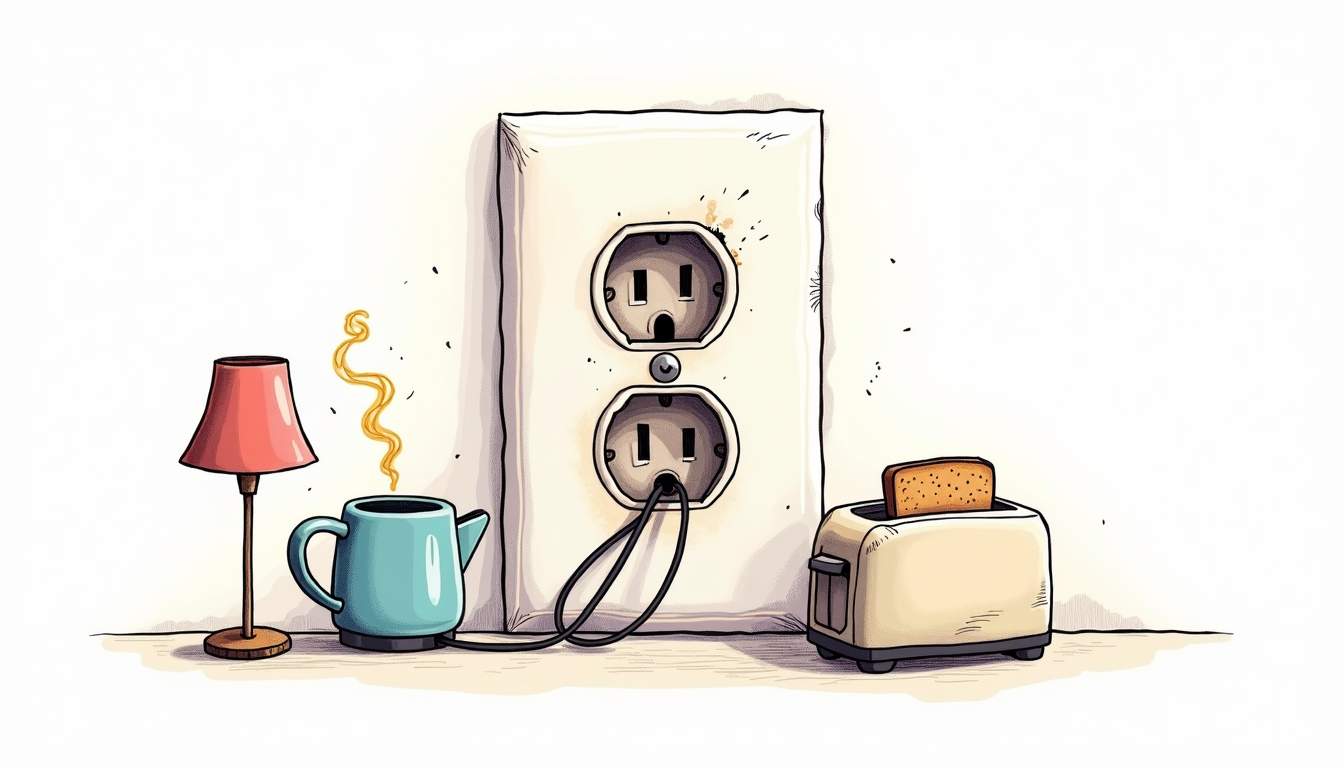
Imagine a simple flicker in a light bulb or a slightly warm outlet. It seems minor, maybe even annoying, but it’s easy to shrug off and forget about. However, these small electrical quirks can be the first warning signs of much bigger, more dangerous problems lurking just beneath the surface. Ignoring them isn’t just inconvenient-it can put your entire household at risk.
Why Small Electrical Issues Shouldn’t Be Overlooked
Electrical systems in homes are designed to be safe and reliable, but they’re not infallible. A tiny fault can escalate quickly. What starts as a minor annoyance-like a buzzing outlet or a breaker that trips occasionally-can turn into a fire hazard or cause serious injury.
Many people assume that if an electrical problem isn’t causing a complete outage or sparking wildly, it’s safe to ignore. This mindset is dangerous. Electrical faults often worsen over time, and the damage they cause can be costly, both in terms of repairs and safety.
Hidden Dangers Behind Common Electrical Symptoms
Take the example of a flickering light. It might seem like a bulb issue, but it could be a sign of loose wiring or a failing fixture. Loose connections generate heat, which can melt insulation and ignite surrounding materials. Similarly, outlets that feel warm to the touch may indicate overloaded circuits or faulty wiring.
Even a slight burning smell near an outlet or switch is a red flag. It often points to overheating components or electrical arcing, which can lead to fires if left unaddressed.
Moreover, the implications of ignoring these small electrical issues extend beyond immediate safety concerns. For instance, frequent circuit breaker trips can indicate an underlying problem with the electrical load in your home. This could mean that your electrical system is not equipped to handle the demands of modern appliances, which can lead to further complications down the line, including potential equipment damage or increased energy bills. Additionally, older homes may have outdated wiring that does not meet current safety standards, making it crucial to regularly assess and upgrade these systems to prevent catastrophic failures. If you need professional support, you can visit Handyman Services Singapore website for reliable assistance.
Furthermore, the psychological toll of living with persistent electrical issues can be significant. Homeowners may experience constant anxiety over potential hazards, which can detract from the comfort and enjoyment of their living spaces. By addressing these small problems promptly, not only can you enhance the safety of your home, but you can also foster a more peaceful and worry-free environment for you and your family.
Fire Hazards from Neglected Electrical Problems
Electrical fires are a leading cause of home fires in many countries. According to fire safety organizations, a significant percentage of these fires start because of faulty wiring or malfunctioning electrical devices.
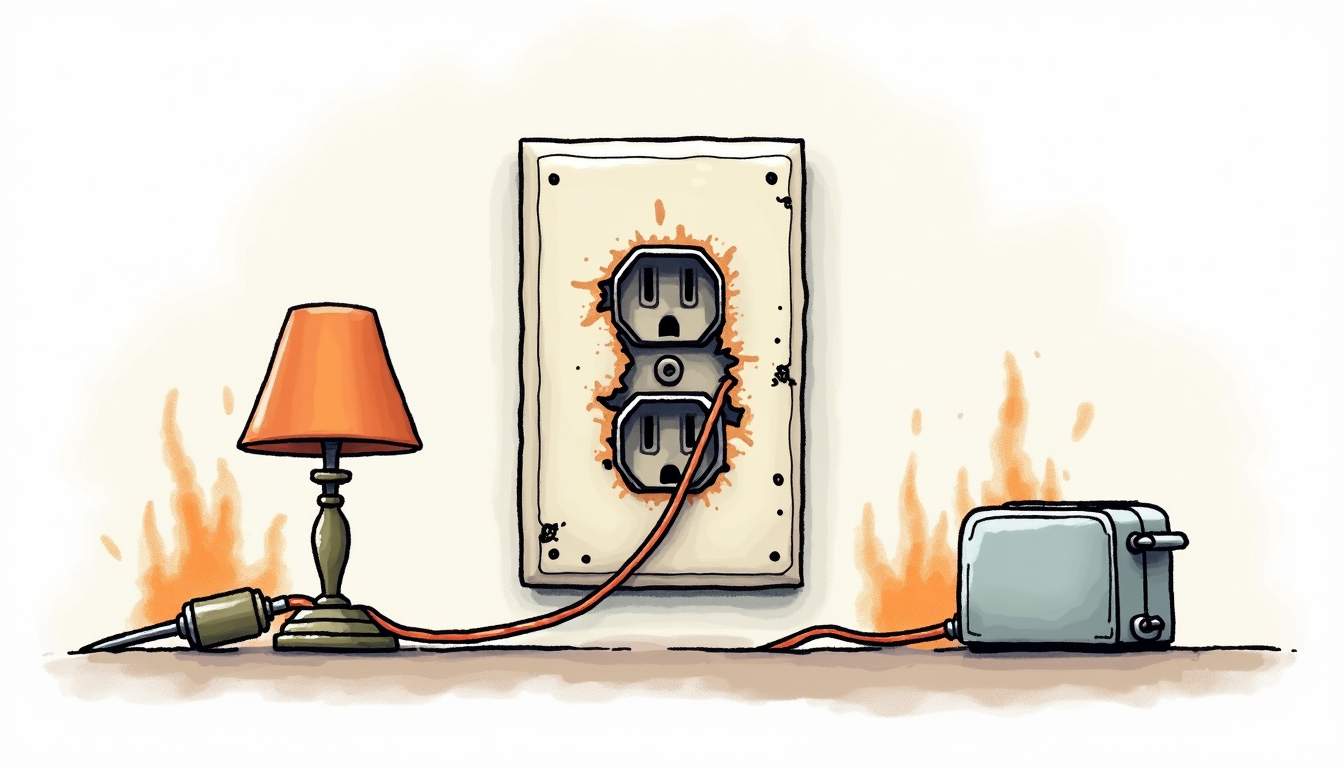
When small problems like frayed wires or loose connections are ignored, they create conditions ripe for electrical arcs—sparks jumping between conductors. These arcs generate intense heat, capable of igniting nearby combustible materials such as wood, insulation, or fabric. The risk is particularly heightened in older homes where wiring may not meet current safety standards, making it essential for homeowners to regularly inspect their electrical systems.
Additionally, the presence of dust and debris around electrical outlets and devices can exacerbate the risk of fire. Accumulated materials can act as fuel for flames, and when combined with faulty wiring, the potential for disaster increases significantly. Regular cleaning and maintenance of electrical appliances, along with ensuring that outlets are not overloaded, can greatly reduce fire hazards.
How Overloaded Circuits Contribute to Fire Risks
Overloading a circuit happens when too many devices draw power from the same outlet or breaker. This causes wires to heat up beyond their capacity. While circuit breakers are designed to trip and prevent overheating, faulty breakers or improper wiring can fail to do so.
Ignoring the warning signs of overloaded circuits—like frequent breaker trips or dimming lights—can lead to insulation breakdown and fires. It’s crucial to recognize these symptoms early and take action. Homeowners should also be aware of the types of devices they are using; high-wattage appliances such as space heaters, air conditioners, and refrigerators can draw significant power and should ideally be plugged into dedicated circuits. Furthermore, using power strips with surge protectors can help manage electrical loads more effectively, but they should not be seen as a permanent solution for overloaded outlets.
In addition to monitoring the load on circuits, it’s advisable to have a qualified electrician conduct a thorough inspection of the home’s electrical system, especially if the house is older or if there have been any recent renovations. An electrician can identify potential hazards, such as outdated wiring or inadequate circuit capacity, and recommend necessary upgrades to ensure safety and compliance with current electrical codes. Regular maintenance not only enhances safety but can also improve the overall efficiency of the electrical system, reducing energy costs in the long run.
Electrical Shocks and Injuries from Faulty Wiring
Small electrical problems don’t just threaten property—they can also pose serious risks to people. Faulty wiring or damaged outlets can cause electric shocks, which range from mild tingles to severe injuries or even death. The consequences of these electrical mishaps can be devastating, leading to long-term health issues or even fatalities. In fact, according to the National Fire Protection Association, electrical failures or malfunctions are a leading cause of home fires, further emphasizing the importance of maintaining a safe electrical system.
Children and pets are especially vulnerable because they might unknowingly touch exposed wires or damaged outlets. Even adults can be caught off guard by faulty switches or appliances. It’s crucial to educate family members about the dangers of electricity and establish rules to prevent accidents, such as not using electrical devices with wet hands or ensuring that cords are kept out of reach of small children. Additionally, installing safety covers on outlets can provide an extra layer of protection against curious fingers.
Why Grounding and Proper Wiring Matter
Grounding is a critical safety feature in home electrical systems. It provides a safe path for stray electricity to travel into the earth, reducing the risk of shocks. When wiring is old, damaged, or improperly installed, grounding can fail. This is particularly concerning in older homes where electrical systems may not have been updated to meet current safety standards. Homeowners should consider having their electrical systems evaluated by a qualified electrician to ensure that grounding is adequate and that all wiring adheres to modern safety codes.
Ignoring small problems like loose grounding wires or missing ground connections increases the risk of shock. Regular inspections and timely repairs help ensure that grounding systems function correctly. Furthermore, investing in surge protectors can safeguard appliances from voltage spikes, which can occur during storms or power outages. By taking proactive measures and being vigilant about electrical safety, homeowners can significantly reduce the risk of electrical shocks and injuries, creating a safer living environment for everyone.
Costly Repairs and Property Damage
Delaying fixes for small electrical issues often leads to bigger, more expensive problems. What might start as a simple outlet replacement can turn into a full rewiring job if the underlying cause is ignored. For instance, a seemingly harmless flickering light could indicate a deeper issue, such as loose connections or overloaded circuits. Ignoring these signs can escalate into serious hazards, including electrical fires, which pose a significant risk to both life and property. Regular inspections and prompt repairs can save homeowners from the stress and financial burden of extensive damage.
Electrical damage can also affect appliances and electronics. Power surges caused by faulty wiring can fry sensitive devices, leading to costly replacements. High-end electronics, such as smart TVs and computers, are particularly vulnerable to these surges. Moreover, the inconvenience of losing essential appliances can disrupt daily life, causing frustration and additional expenses. Investing in surge protectors and ensuring that your electrical system is up to code can mitigate these risks, providing peace of mind that your investments are safeguarded.
Insurance Complications and Liability
Homeowners insurance policies sometimes exclude coverage for damage caused by neglected maintenance. If an electrical fire or damage occurs because small problems were ignored, insurance claims might be denied. This exclusion can leave homeowners in a precarious position, facing not only the burden of repair costs but also the emotional toll of a preventable disaster. Many homeowners are unaware of the specific terms of their policies, which can lead to unpleasant surprises when they need assistance the most. It’s crucial to regularly review your insurance coverage and understand the implications of maintenance neglect.
This not only means footing the repair bill yourself but also potential liability if the damage affects neighbors or renters. If a fire spreads from your property due to faulty wiring, you could be held responsible for damages to adjacent homes or injuries sustained by others. Staying on top of electrical maintenance protects your wallet and your peace of mind. Additionally, maintaining a good relationship with your insurance provider and keeping detailed records of repairs can help ensure that you are covered in the event of an emergency, further safeguarding your financial future.
How to Recognize and Respond to Small Electrical Problems
Spotting electrical issues early is key to preventing serious risks. Here are some common signs that shouldn’t be ignored:
- Lights flickering or dimming unexpectedly
- Outlets or switches that feel warm or hot
- Buzzing or crackling sounds near outlets or fixtures
- Frequent circuit breaker trips
- Burning smells near electrical devices
- Sparking when plugging or unplugging devices
If you notice any of these, it’s important to act promptly. Turn off power to the affected area if possible and consult a licensed electrician. Avoid DIY fixes unless you have proper training, as improper repairs can worsen the problem or cause injury.
Routine Electrical Maintenance
Scheduling regular electrical inspections can catch small problems before they become dangerous. Licensed electricians can test wiring integrity, check grounding, and ensure that circuit breakers and outlets are functioning properly.
Routine maintenance is a small investment that pays off by keeping your home safe and avoiding costly emergency repairs.
Conclusion: Prioritize Electrical Safety in Your Home
Small electrical problems might seem insignificant, but they’re often the first signs of serious hazards. Ignoring flickering lights, warm outlets, or buzzing sounds can lead to fires, shocks, and expensive damage. Taking these issues seriously, recognizing the warning signs, and seeking professional help promptly keeps your home safe and your family protected.
Electrical safety isn’t just about avoiding inconvenience-it’s about preventing tragedy. Don’t wait for a small problem to become a big one. Pay attention, act quickly, and keep your home’s electrical system in good shape.