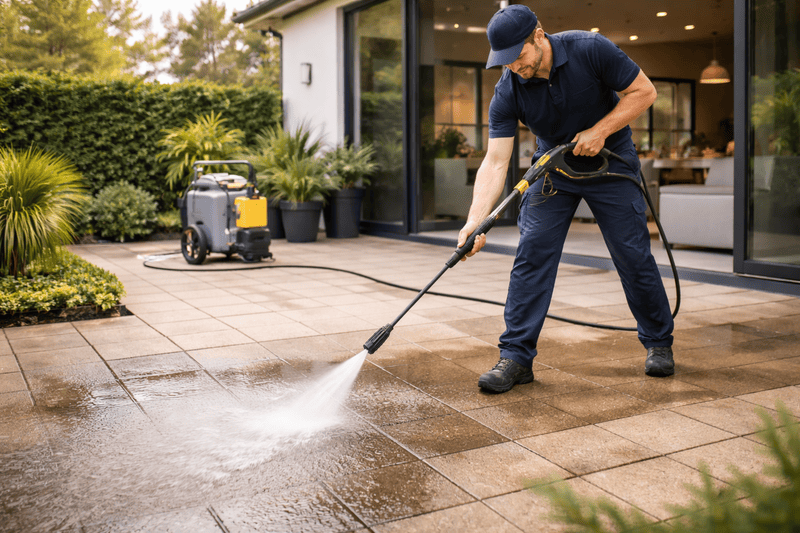
Pressure cleaning is often viewed as a cosmetic task, something carried out when surfaces begin to look tired or stained. In practice, it plays a far broader role in property care. From preserving materials to reducing safety risks, pressure cleaning supports the long-term condition of both residential and commercial environments.
As buildings age and are exposed to weather, pollution, and regular use, surfaces accumulate contaminants that standard cleaning methods may not remove. Understanding how pressure cleaning fits into routine property maintenance helps owners and managers make informed decisions that extend beyond appearance alone.
Why Surface Build-Up Matters More Than It Appears
Outdoor and semi-exposed surfaces are constantly affected by environmental factors. Dust, mould spores, airborne pollutants, vehicle residue, and organic matter gradually settle and bond to materials. Over time, this build-up may accelerate deterioration by trapping moisture or encouraging biological growth.
In high-traffic areas, these residues may also create slip hazards. Driveways, footpaths, pool surrounds, and entryways are particularly susceptible. Pressure cleaning addresses these risks by removing contaminants before they cause damage or safety issues.
While many people associate pressure cleaning with visual improvement, its preventative role is often more significant.
The Science Behind Pressure Cleaning
Pressure cleaning uses controlled water force to dislodge contaminants from surfaces. The effectiveness of the process depends on several variables, including water pressure, flow rate, nozzle selection, and surface type.
Different materials respond differently to pressure. Concrete, brick, stone, and some pavers may tolerate higher pressures, while painted surfaces, timber, and certain composites require more controlled approaches. Skilled operators adjust techniques to suit the material, avoiding unnecessary wear.
When used correctly, pressure cleaning removes debris without compromising the integrity of the underlying surface.
Common Areas That Benefit From Pressure Cleaning
Pressure cleaning is applied across a wide range of settings. Residential properties often use it for driveways, paths, retaining walls, roofs, and outdoor entertainment areas. Commercial and strata environments may require regular cleaning of car parks, loading zones, walkways, and building façades.
In industrial contexts, pressure cleaning may also assist with preparing surfaces for repairs or coatings by removing oils, residues, and loose material.
Understanding where and how pressure cleaning is applied helps property owners schedule maintenance proactively rather than reactively.
Environmental Considerations and Water Management
Modern pressure cleaning practices increasingly focus on water efficiency and runoff management. Excessive water use or uncontrolled runoff may affect surrounding landscaping, drainage systems, or waterways.
Responsible pressure cleaning incorporates techniques that minimise water usage while maintaining effectiveness. In some cases, biodegradable detergents may be used to assist with stubborn contaminants, reducing the need for higher pressure.
These considerations are particularly relevant in urban and commercial settings where environmental compliance is an ongoing responsibility.
For broader discussion on sustainable exterior maintenance practices, resources such as this overview on property upkeep from Aphel Online’s building maintenance articles provide useful context.
Pressure Cleaning as Preventative Maintenance
One of the most overlooked aspects of pressure cleaning is its role in preventative maintenance. Removing contaminants early may reduce long-term repair costs by slowing surface degradation.
Concrete and masonry surfaces, for example, may develop cracks or spalling if moisture is allowed to penetrate and freeze or expand. Organic growth may also weaken surface coatings over time.
By incorporating pressure cleaning into a scheduled maintenance plan, property owners may protect assets more effectively and reduce the need for invasive repairs later.
Commercial Properties and Ongoing Presentation
In commercial environments, surface cleanliness influences how a property is perceived by visitors, tenants, and staff. While aesthetics are important, cleanliness also reflects maintenance standards and safety awareness.
Retail precincts, office buildings, and hospitality venues often rely on regular pressure cleaning to maintain external presentation. This is particularly relevant in areas exposed to foot traffic, food waste, or vehicle emissions.
Some property managers reference services such as Pressure Cleaning by Specialized Property Maintenance when reviewing how professional cleaning integrates with broader site management. Others consider how Specialized Property Maintenance delivers reliable pressure cleaning within structured maintenance schedules rather than as isolated tasks.
Residential Pressure Cleaning and Property Longevity
For homeowners, pressure cleaning may support both comfort and property value. Clean outdoor surfaces contribute to usable spaces, particularly in climates where outdoor living is common.
Driveways and paths that are kept free of algae and grime may also reduce slip risks, which is an important consideration for households with children or older residents.
While pressure cleaning is sometimes performed prior to selling a property, its benefits extend well beyond short-term presentation.
Preparing Surfaces for Repairs or Coatings
Pressure cleaning is often a preparatory step before repairs, sealing, or repainting. Removing dirt, loose material, and contaminants allows coatings and treatments to adhere properly.
Without proper preparation, even high-quality coatings may fail prematurely. Pressure cleaning helps create a clean substrate, supporting better long-term outcomes.
This preparatory role highlights why pressure cleaning is often integrated into broader maintenance or refurbishment projects.
Managing Expectations Around Results
While pressure cleaning is effective, it is not a cure-all. Stains caused by chemical reactions, deep structural damage, or long-term neglect may not be fully reversible. Understanding these limitations helps set realistic expectations.
A professional approach often includes assessing surfaces beforehand and explaining what outcomes are achievable. This transparency supports informed decision-making and avoids unnecessary disappointment.
Property owners researching trusted pressure cleaning services from Specialized Property Maintenance may encounter discussions around realistic outcomes and surface suitability as part of this assessment process.
Safety and Professional Handling
Pressure cleaning equipment operates at high force and requires proper handling. Incorrect use may damage surfaces or create hazards through flying debris or water spray.
Professional operators are trained to manage these risks, using appropriate protective equipment and site controls. This is particularly important in shared or public environments where safety obligations are higher.
For property managers balancing efficiency and compliance, engaging experienced providers supports safer outcomes.
Integrating Pressure Cleaning Into Broader Property Care
Pressure cleaning is most effective when viewed as one component of comprehensive property maintenance. When coordinated with inspections, repairs, and surface treatments, it contributes to a consistent standard of care.
Rather than waiting for visible deterioration, many property owners now schedule pressure cleaning as part of routine upkeep. This approach supports surface longevity and reduces reactive maintenance.
Insights into how cleaning fits within long-term property strategies may also be found in resources like Aphel Online’s property care planning hub.
A Practical View of Pressure Cleaning
Pressure cleaning is not simply about removing dirt. It plays a role in protecting materials, supporting safety, and maintaining functional outdoor spaces. When applied thoughtfully, it helps preserve surfaces and reduce long-term maintenance demands.
Understanding how and when to use pressure cleaning allows property owners and managers to approach maintenance with greater confidence. As part of an integrated care strategy, pressure cleaning supports both immediate cleanliness and long-term asset protection.
