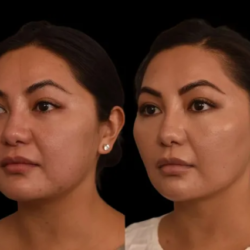
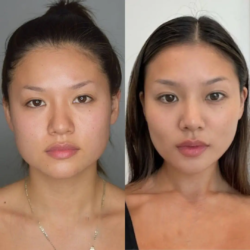
Post-treatment care after Botox injections in Riyadh is a crucial part of achieving optimal results and ensuring a safe, smooth recovery. While Botox is a minimally invasive procedure, proper aftercare helps enhance the effectiveness of the treatment, minimize side effects, and maintain long-lasting results. Whether Botox is used for reducing wrinkles, lifting the face, correcting a gummy smile, or addressing hyperhidrosis, following post-treatment guidelines is essential for maximizing the benefits and protecting the treated areas. Botox injection in Riyadh is becoming increasingly popular for achieving a youthful and refreshed appearance without surgery.
Immediately after a Botox session, patients may notice mild redness, swelling, or tiny bumps at the injection sites. These reactions are normal and usually resolve within a few hours to a couple of days. Avoid touching, rubbing, or massaging the treated areas, as this can inadvertently spread the toxin to unintended muscles, which may result in temporary asymmetry or unwanted effects. In Riyadh’s warm climate, it is especially important to be gentle with the skin after treatment to prevent irritation or excessive sweating that could interfere with Botox absorption.
Patients are generally advised to remain upright for at least four hours following the procedure. This helps the Botox settle accurately in the targeted muscles and prevents unintended diffusion. During this time, avoid lying down, leaning forward excessively, or performing inverted positions that could alter the placement of the injections. Maintaining an upright posture ensures that the Botox works precisely where it is needed, producing a natural and balanced outcome.
Light physical activity is usually safe immediately after Botox, but strenuous exercise should be avoided for at least 24 hours. High-intensity workouts increase blood flow and muscle activity, which may affect the distribution of Botox and reduce its effectiveness. Gentle movements such as walking are acceptable, but patients should refrain from activities that strain the treated muscles, such as heavy lifting or facial exercises targeting the injection area. This careful approach supports optimal results and reduces the likelihood of bruising or swelling.
Cold compresses can be applied to the treated area to alleviate mild swelling or tenderness. Use a soft cloth or ice pack for brief intervals, taking care not to apply excessive pressure. Avoid heat treatments such as saunas, hot showers, or sunbathing for at least 24 to 48 hours, as increased temperature can increase blood circulation and potentially affect Botox placement. Riyadh’s sunny environment makes sun protection particularly important; applying sunscreen and wearing protective clothing helps protect the skin and supports overall healing.
For the first 24 hours, it is advisable to avoid alcohol, smoking, or consuming excessive caffeine. These substances can influence blood flow and may increase the risk of bruising at injection sites. Similarly, patients should refrain from using strong topical treatments such as retinoids, chemical peels, or exfoliants immediately after Botox, as these can irritate the skin and compromise the healing process. Following your practitioner’s guidance on skincare products helps maintain smooth, healthy skin while the Botox settles.
Patients are encouraged to actively use the treated muscles for optimal results. For example, if Botox was administered to reduce forehead lines or crow’s feet, gently frowning, raising eyebrows, or smiling in moderation can help the toxin work effectively. Engaging the muscles naturally supports even distribution and enhances the treatment outcome. However, avoid overexerting or massaging the areas, as this can interfere with Botox placement.
It is also important to monitor the treated area for any unusual reactions. Mild bruising, redness, or tenderness is common and typically resolves on its own. If patients experience severe pain, asymmetry, drooping eyelids, or signs of infection such as excessive swelling, warmth, or pus, they should contact their practitioner immediately. Timely intervention ensures that any complications are addressed quickly and effectively.
The full effects of Botox usually become visible within three to fourteen days after treatment, depending on the targeted area. Patience is important, as initial subtle changes gradually develop into the smooth, natural-looking results that patients in Riyadh expect. Avoid scheduling additional cosmetic procedures too soon after Botox, as overlapping treatments may interfere with muscle activity and absorption. Most practitioners recommend waiting at least two weeks before combining other facial treatments.
Long-term maintenance is an essential aspect of post-Botox care. Results typically last three to six months, after which follow-up treatments are recommended to sustain the desired appearance. Consistent treatment schedules help prevent the formation of new wrinkles, maintain facial symmetry, and preserve youthful contours. Combining Botox with a good skincare routine, sun protection, and healthy lifestyle habits can further enhance the longevity of results and overall skin health.
In conclusion, post-treatment care after Botox injections in Riyadh is vital for achieving the best possible outcome. Maintaining proper posture, avoiding rubbing or massaging the treated areas, limiting strenuous activity, protecting the skin from heat and sun exposure, and following skincare guidance all contribute to safe and effective results. Monitoring for unusual reactions and adhering to follow-up schedules ensures both safety and long-lasting benefits. By following these post-treatment care tips, patients can enjoy smoother wrinkles, lifted features, and a rejuvenated appearance with confidence, comfort, and natural-looking results.