Imagine stepping into a shower and having hot water ready immediately-no waiting, no cold bursts. That’s the promise of instant water heaters, also known as tankless water heaters. They’re compact, efficient, and increasingly popular in homes where space and energy savings matter.
Choosing the right instant water heater can feel overwhelming with so many types, fuel sources, and features available. This guide breaks down the main options, helping you find the perfect fit for your home’s needs.
How Instant Water Heaters Work
Unlike traditional water heaters that store hot water in a tank, instant water heaters heat water on demand. When you turn on the tap, cold water flows through a heating element or coil, warming instantly before it reaches you. This process typically involves either electric coils or gas burners, which can rapidly elevate the water temperature to your desired level. The speed and efficiency of this heating mechanism are what set instant water heaters apart from their tank-based counterparts, making them a popular choice for modern households.
This design means no standby heat loss, which can save energy and lower utility bills. Plus, they take up far less space—ideal for small homes, apartments, or anywhere storage is tight. Many instant water heaters are compact and can be installed under sinks or in cabinets, further enhancing their appeal for those looking to maximize their living space.
Key Benefits of Instant Water Heaters
They provide endless hot water since there’s no tank to run out. This is great for households with multiple people or high hot water demand. Imagine running multiple showers simultaneously or filling a large bathtub without worrying about the water turning cold halfway through. Also, because they heat water only when needed, they’re generally more energy-efficient than tank models, which continuously heat and reheat stored water, leading to wasted energy.
Installation flexibility is another advantage. Many models can be wall-mounted indoors or outdoors, freeing up floor space. However, proper sizing and fuel source selection are crucial to ensure consistent hot water without interruptions. For instance, electric models are often easier to install but may require an upgrade to your electrical system for higher capacity units. On the other hand, gas models may provide faster heating but require proper venting, which can complicate installation. Additionally, many instant water heaters now come equipped with advanced technology, such as digital temperature controls and Wi-Fi connectivity, allowing users to monitor and adjust settings remotely for added convenience and efficiency, visit Handyman Services Singapore website to ensure professional installation and expert guidance.
Types of Instant Water Heaters
Instant water heaters come in various forms, primarily distinguished by their energy source and heating mechanism. Understanding these differences helps narrow down the best choice for your home.
Electric Instant Water Heaters
Electric models use electric resistance coils to heat water as it flows through the unit. They’re compact, easy to install, and often less expensive upfront compared to gas models.
Electric heaters work well in homes with reliable electricity and moderate hot water needs. They’re especially popular in apartments or places where venting gas appliances is difficult.
One thing to watch for: electric units may struggle to supply hot water simultaneously to multiple outlets if they aren’t sized properly. Also, electricity costs can be higher than gas in some regions.
Moreover, electric instant water heaters are often equipped with advanced features such as digital thermostats and energy-saving modes, which can help optimize efficiency. Some models even come with smart technology that allows homeowners to monitor and control their water heating remotely via smartphone apps, adding a layer of convenience that appeals to tech-savvy users.
Gas Instant Water Heaters
Gas-powered instant water heaters burn natural gas or propane to heat water quickly. They typically deliver higher flow rates and can handle several fixtures at once, making them suitable for larger households.
These units require proper venting to expel combustion gases safely, which can add complexity and cost to installation. However, they often have lower operating costs in areas where gas is cheaper than electricity.
Gas models are available in both indoor and outdoor versions. Outdoor units avoid venting issues but need protection from weather.
In addition to their efficiency, gas instant water heaters often have a longer lifespan than electric models, making them a wise investment for families that prioritize durability. Many newer gas heaters also come with advanced safety features, such as automatic shut-off valves and flame failure devices, ensuring peace of mind for homeowners concerned about safety risks associated with gas appliances.
Solar-Powered Instant Water Heaters
Solar instant water heaters use solar energy to preheat water before it enters a conventional heating unit. While not fully tankless on their own, they can significantly reduce energy consumption by lowering the temperature rise needed from electric or gas heaters.
These systems are environmentally friendly and can cut utility bills, but they depend on sunlight availability and often require a backup heater for cloudy days or nighttime use.
Furthermore, solar-powered systems can be integrated with existing home energy systems, allowing homeowners to maximize their energy efficiency. With the potential for government incentives and rebates for renewable energy installations, investing in a solar water heating system can be financially advantageous in the long run. Additionally, many modern solar heaters come equipped with smart controls that optimize performance based on weather conditions, ensuring that hot water is available when needed without excessive energy use.
Choosing the Right Size and Capacity
Picking an instant water heater isn’t just about the type or fuel source. Sizing is critical to ensure you get enough hot water when you need it.
Calculate Your Hot Water Demand
Start by estimating peak hot water usage. Consider how many bathrooms, kitchens, and appliances will use hot water simultaneously. For example, a family of four with two showers running at once will need a higher flow rate than a single occupant.
Flow rate is measured in gallons per minute (GPM). Typical showerheads use about 2.5 GPM, while faucets and dishwashers use less. Add up the flow rates of all fixtures you expect to run at the same time.
Match Flow Rate and Temperature Rise
Your heater must handle the total flow rate while raising the water temperature to your desired level. Temperature rise is the difference between incoming water temperature and the output temperature you want-usually around 120°F (49°C).
For example, if your incoming water is 50°F and you want 120°F, the heater must raise the temperature by 70°F. Higher temperature rises reduce the maximum flow rate the unit can handle.
Installation Considerations
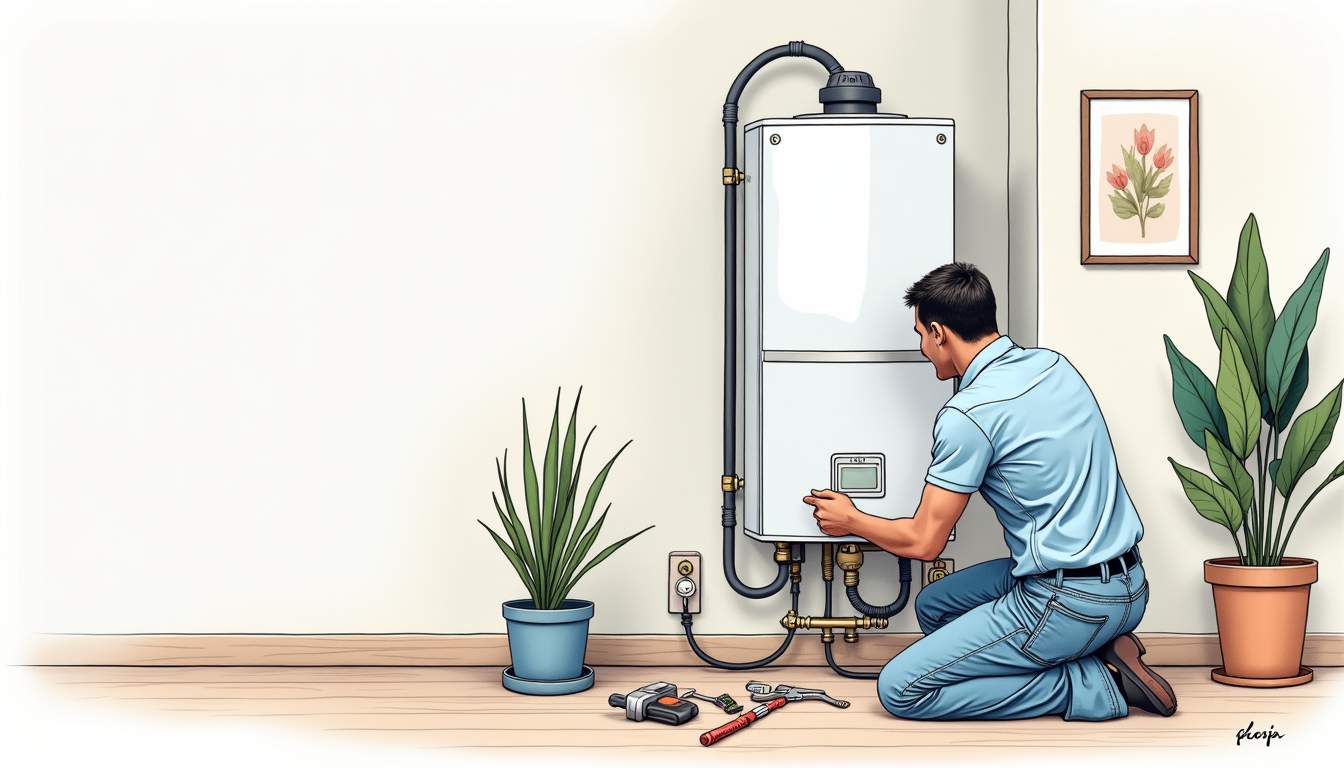
Proper installation is key to safe, efficient operation. Instant water heaters often require professional installation, especially gas models needing venting and gas line connections.
Electrical Requirements
Electric instant water heaters can demand significant power, sometimes requiring a dedicated circuit or upgraded electrical panel. Make sure your home’s wiring can handle the load to avoid tripped breakers or hazards.
Venting and Location
Gas units need venting to remove combustion gases. Options include direct vent, power vent, or outdoor installation. Each has pros and cons related to cost, safety, and convenience.
Outdoor models eliminate venting but must be weather-resistant and protected from freezing in cold climates.
Maintenance Needs
Instant water heaters require periodic maintenance to maintain efficiency and longevity. This includes flushing to remove mineral buildup, checking electrical connections, and inspecting venting systems on gas units.
Hard water areas may need more frequent descaling to prevent clogging and damage.
Popular Instant Water Heater Brands and Models
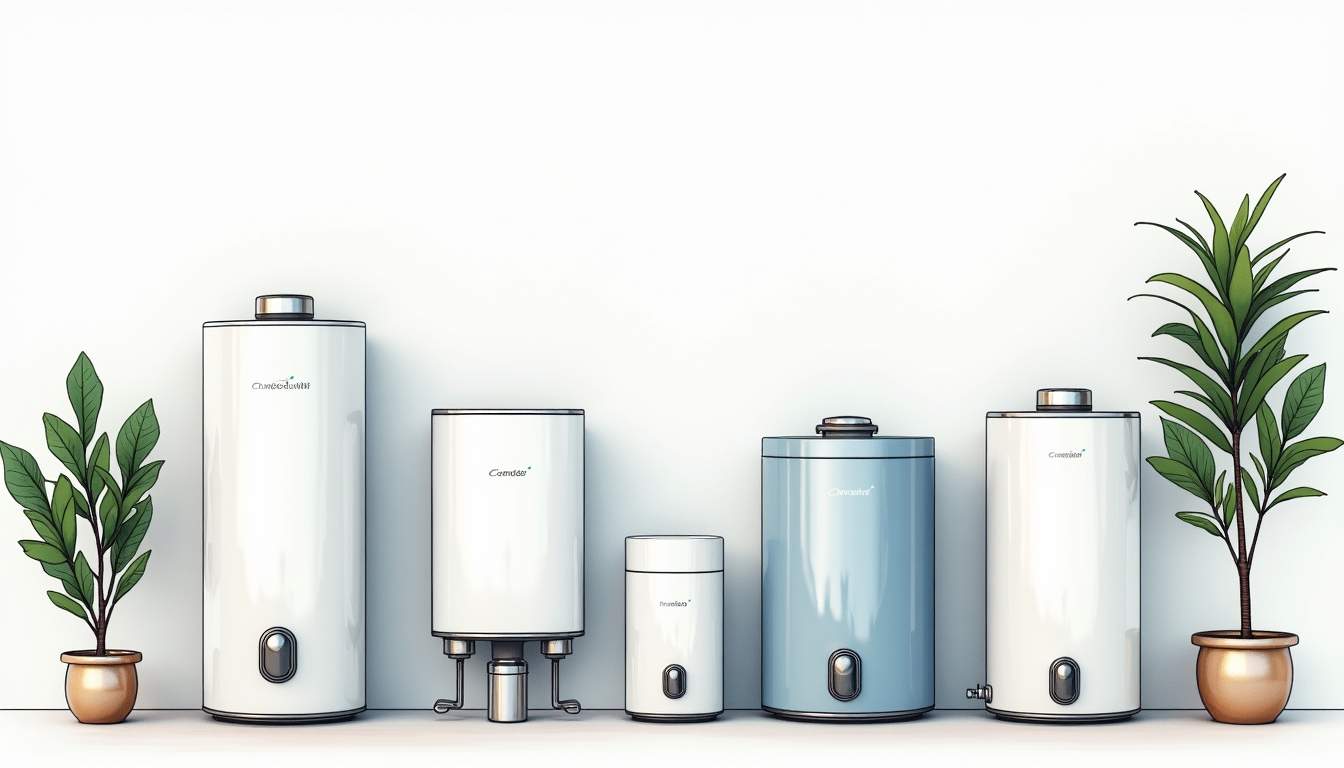
Several manufacturers offer reliable instant water heaters with various features and price points. Here are a few well-regarded options:
Stiebel Eltron Tempra Series (Electric)
Known for quality and durability, Stiebel Eltron’s Tempra models offer advanced flow control technology to maintain consistent water temperature. They’re compact and suitable for whole-house or point-of-use applications.
Rinnai RUR Series (Gas)
Rinnai is a leader in gas tankless water heaters. The RUR series features recirculation pumps for instant hot water at the tap, improving convenience and reducing water waste.
Eemax Electric Tankless Water Heaters
Eemax offers affordable electric units ideal for point-of-use installations like under sinks or in small apartments. They’re easy to install and come in various sizes.
Noritz NRC66DVNG (Gas)
This model is a popular choice for smaller homes or single bathrooms. It balances performance and efficiency with a compact design.
Cost and Energy Savings
Instant water heaters typically cost more upfront than traditional tank models. Prices vary widely depending on type, size, and brand but expect to pay between $500 and $2,000 for the unit alone.
Installation costs can add several hundred to a few thousand dollars, especially for gas units requiring venting and gas line work.
However, the energy savings over time can offset the initial investment. Tankless heaters use energy only when hot water is needed, avoiding standby losses. Many users report lower utility bills, particularly in homes with moderate to high hot water usage.
Common Myths About Instant Water Heaters
Some misconceptions can cloud judgment when considering instant water heaters.
Myth: They Can’t Provide Enough Hot Water for a Family
While smaller units may struggle with simultaneous demand, properly sized instant water heaters can supply multiple fixtures at once. Some homes even install multiple units to cover different areas.
Myth: They Are Too Expensive to Install
Installation costs vary, but many find that the long-term savings and space benefits justify the expense. Electric models are often easier and cheaper to install than gas.
Myth: Maintenance Is Difficult
Routine maintenance is straightforward and usually involves flushing the system annually. Many manufacturers provide clear instructions or offer service plans.
Final Thoughts
Instant water heaters offer a modern, efficient way to enjoy hot water on demand. The best choice depends on your household size, fuel availability, budget, and installation constraints.
Electric units shine in smaller homes or where venting gas isn’t feasible. Gas models excel in larger homes with higher hot water demands. Solar options can complement these systems for added savings and environmental benefits.
Take time to assess your hot water needs, consult with professionals, and compare models before making a decision. The right instant water heater can transform your daily routine, delivering comfort and savings for years to come.