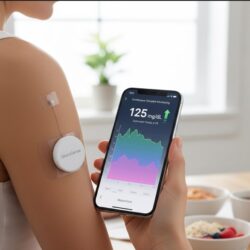
Managing diabetes can often feel like a never-ending task, especially when it comes to monitoring blood glucose levels. Traditional methods, like the finger-prick tests used by millions worldwide, can be time-consuming, uncomfortable, and even painful. But what if there was a better, more efficient way to track your glucose levels without needing to prick your finger multiple times a day?
Thanks to advancements in technology, monitoring blood glucose without pricking finger is now a reality, thanks to continuous glucose monitors (CGMs). These devices provide real-time, non-invasive glucose data, giving individuals with diabetes a more comfortable and convenient way to manage their condition.
In this blog, we’ll explore how you can monitor blood glucose without pricking finger, the technology behind CGMs, the benefits they provide, and why the cost of continuous glucose monitor systems is worth it for many people with diabetes. Let’s dive into how CGMs are transforming the way we approach diabetes care.
What Is a Continuous Glucose Monitor (CGM)?
A continuous glucose monitor (CGM) is a small, wearable device that tracks your glucose levels throughout the day and night. Unlike traditional blood glucose meters that require you to prick your finger for a sample, a CGM measures glucose levels in real-time using a sensor that sits just under the skin. The sensor continuously collects data from the interstitial fluid (the fluid between cells) and sends it to a transmitter, which relays the information to a display device, such as a smartphone, smartwatch, or dedicated receiver.
With a CGM, you can monitor blood glucose without pricking finger, allowing you to track trends, receive alerts for high or low glucose levels, and make timely decisions about insulin dosing, meals, and physical activity. CGMs provide a much broader and more detailed view of your blood glucose levels, empowering individuals with diabetes to better manage their condition.
How Does a CGM Allow You to Monitor Blood Glucose Without Pricking Finger?
Traditional blood glucose monitoring requires finger-prick tests, which can be painful and inconvenient. In contrast, CGMs use a small sensor that is inserted just under the skin, often on the abdomen or arm. This sensor continuously measures the glucose levels in the interstitial fluid and updates the data every few minutes.
Here’s a quick breakdown of how CGMs work:
-
Sensor: A tiny, flexible sensor is inserted under the skin using a small needle, typically in the fatty tissue of your abdomen or upper arm. The sensor measures glucose levels in the interstitial fluid.
-
Transmitter: The transmitter is attached to the sensor and sends glucose data to a display device. The transmitter typically lasts several months, while the sensor must be replaced every 7 to 14 days, depending on the model.
-
Receiver/Display Device: The glucose data is sent to a receiver, smartphone, or smartwatch app. You can view your glucose readings in real time, track trends over time, and even set up alerts for high or low blood sugar levels.
Unlike finger-prick tests, which only give a single reading, CGMs offer continuous monitoring, providing a more comprehensive view of your glucose levels throughout the day and night. This continuous stream of data means you don’t need to rely on intermittent testing, and you can see how your blood glucose fluctuates in response to food, exercise, medication, and other factors.
Why Is It Important to Monitor Blood Glucose Without Pricking Finger?
-
Improved Glucose Control
One of the most significant benefits of using a CGM is that it allows for better glucose control. Traditional blood glucose meters only provide a snapshot of your blood glucose at a specific moment in time. This limited data can make it difficult to understand trends or make informed decisions about insulin adjustments or lifestyle changes.
With a continuous glucose monitor, you get real-time data, allowing you to see how your blood glucose changes throughout the day. This information helps you make more informed decisions about your insulin, meals, and exercise. By providing continuous feedback, CGMs help you maintain better control of your blood glucose levels, which is crucial for preventing long-term complications like heart disease, nerve damage, and kidney problems.
-
Fewer Hypoglycemic and Hyperglycemic Events
One of the risks of managing diabetes is the danger of both hypoglycemia (low blood sugar) and hyperglycemia (high blood sugar). Both conditions can lead to severe health complications, but CGMs help mitigate these risks by sending real-time alerts when your blood glucose levels are too high or too low.
For example, if your glucose levels are dropping too quickly, a CGM will alert you, allowing you to take corrective action before the situation becomes dangerous. Similarly, if your blood sugar is too high, you’ll be notified immediately, so you can take steps to bring it back into the desired range.
By offering these alerts and providing ongoing monitoring, CGMs help prevent the extreme fluctuations that often lead to hospital visits or emergencies. This not only improves your health outcomes but also reduces the overall stress of managing diabetes.
-
Convenience and Comfort
For those who have to check their blood glucose levels multiple times a day, monitoring blood glucose without pricking finger can be a life-changing convenience. The finger-prick method can be uncomfortable and inconvenient, especially if you need to test several times a day.
With a CGM, you can monitor your glucose levels in real-time without needing to prick your finger. The sensor is typically worn for 7 to 14 days before it needs to be replaced, so you don’t have to think about testing constantly. The ability to track your glucose without interrupting your daily activities significantly improves the convenience of diabetes management.
Additionally, monitoring blood glucose without pricking finger is much less invasive. Many people find the insertion of the CGM sensor to be far less painful than repeated finger pricks, making it an appealing option for individuals who experience discomfort or pain with traditional blood glucose testing.
-
Better Sleep and Peace of Mind
One of the often-overlooked benefits of continuous glucose monitoring without pricking your finger is the peace of mind it provides, especially while sleeping. People with diabetes, particularly those with unpredictable blood sugar levels, can experience anxiety about their glucose levels during the night.
A CGM allows you to track your glucose levels overnight without waking up to perform a finger-prick test. Many CGMs have alarms that notify you if your blood sugar is too low or too high, so you don’t have to worry about missing a critical change in your levels while you sleep. This not only helps you sleep better but also reduces the stress of wondering about your glucose levels throughout the night.
-
Comprehensive Data for Better Decision-Making
CGMs provide a wealth of data that can help you make smarter decisions about your diabetes management. By tracking glucose trends over time, you can better understand how your body responds to different foods, exercise routines, medications, and daily activities.
This information is invaluable for adjusting your insulin doses, meal timing, and physical activity. Instead of guessing how your glucose will respond to certain triggers, you’ll have concrete data to inform your decisions. In this way, CGMs empower individuals with diabetes to take more control over their condition, leading to better health outcomes.
The Cost of Continuous Glucose Monitor Systems
While monitoring blood glucose without pricking your finger offers numerous benefits, the cost of continuous glucose monitor systems can be a concern for many. A CGM system typically includes the following components:
-
Sensor: Sensors must be replaced every 7 to 14 days. The cost per sensor typically ranges from $35 to $100.
-
Transmitter: The transmitter is the part of the system that sends data from the sensor to your display device. These typically last for 3 to 6 months and cost between $200 to $400.
-
Reader/Display Device: Some systems require a dedicated reader device, while others work with smartphones or smartwatches. The cost of these devices varies depending on the system.
The monthly cost for using a continuous glucose monitor can range between $250 and $500, depending on the brand, frequency of sensor replacement, and whether the transmitter needs to be replaced. Many insurance plans, including Medicare, cover CGM systems, especially for those with type 1 or insulin-dependent type 2 diabetes. However, out-of-pocket costs can vary depending on your insurance plan.
Conclusion: Is It Worth It to Monitor Blood Glucose Without Pricking Finger?
The ability to monitor blood glucose without pricking your finger is a revolutionary advancement in diabetes care. Continuous glucose monitors offer unparalleled convenience, real-time data, and peace of mind, all of which contribute to better overall diabetes management. While the cost of continuous glucose monitor systems can be a concern, the value they provide in terms of improved blood glucose control, reduced risk of complications, and enhanced quality of life makes them a smart investment for many individuals with diabetes.
At Linx CGM, we are proud to offer high-quality continuous glucose monitors designed to help you take control of your diabetes. Visit us today at https://linxcgm.com to learn more about how a CGM can improve your diabetes management.