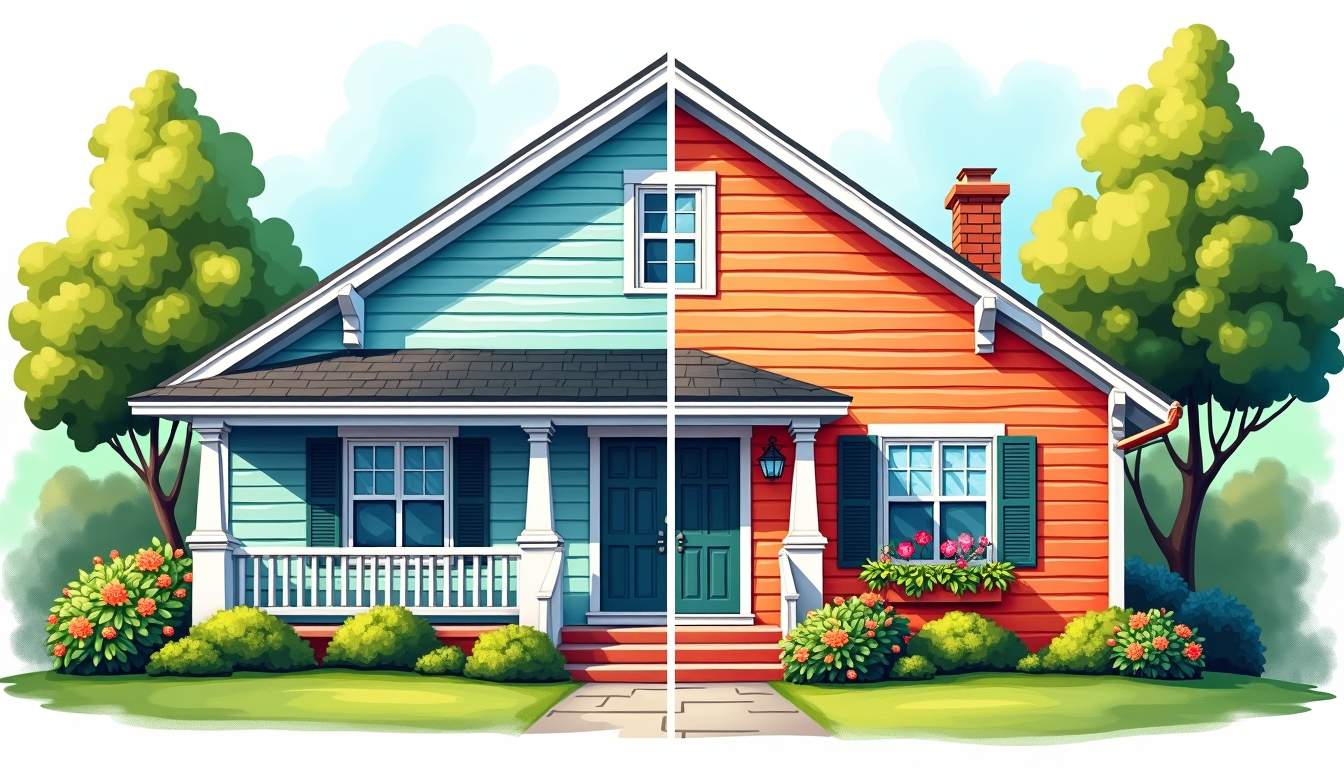
A house with peeling, faded paint that’s lost its charm. It’s not just an eyesore-it can also lead to bigger problems like wood rot or mold. Keeping your home’s exterior and interior paint fresh isn’t just about curb appeal; it’s about protecting your investment. But how often should you actually repaint to maintain that fresh, clean look?
Factors That Influence How Often You Should Repaint
There’s no one-size-fits-all answer. The frequency of repainting depends on several factors, from the type of paint used to the climate where you live. Understanding these elements will help you decide when it’s time to grab a brush or call in the pros.
Type of Paint and Quality
Not all paints are created equal. Higher-quality paints tend to last longer, resisting fading, cracking, and peeling better than cheaper alternatives. For example, premium exterior paints can last anywhere from 8 to 15 years, while lower-quality paints might start showing wear after just 3 to 5 years.
Interior paints also vary. In high-traffic areas like kitchens and hallways, paints with washable finishes tend to hold up better and require less frequent repainting. Matte or flat finishes, while great at hiding imperfections, may need touch-ups more often because they aren’t as durable. Additionally, the sheen level of the paint can impact its longevity; glossier finishes are generally more resistant to stains and easier to clean, making them ideal for spaces that see a lot of activity.
Climate and Weather Exposure
Where you live plays a huge role. Homes in harsh climates-think intense sun, heavy rain, snow, or salty sea air-experience faster paint deterioration. UV rays from the sun break down paint pigments, causing colors to fade. Moisture can cause paint to blister or peel, especially if the surface wasn’t properly prepared.
In contrast, homes in mild climates might enjoy longer intervals between painting. Still, even in gentle weather, factors like humidity and temperature swings can affect paint longevity. For instance, areas with high humidity can lead to mold and mildew growth, which not only affects the aesthetics but can also compromise the integrity of the paint. Moreover, seasonal changes can cause expansion and contraction of building materials, further stressing the paint and leading to premature wear. To ensure high-quality results, consider hiring professional services through the following link provided by Painting Service Singapore: https://www.paintingservicesingapore.sg/
Surface Material and Preparation
The type of surface you’re painting matters. Wood siding, stucco, brick, and vinyl all have different paint adhesion properties and durability. Wood, for instance, expands and contracts with temperature changes, which can cause paint to crack over time. Proper surface preparation-like cleaning, sanding, and priming-extends paint life significantly.
Neglecting preparation often leads to premature peeling or flaking, meaning you’ll need to repaint sooner than expected. Additionally, the age and condition of the surface can also influence your repainting schedule. Older homes may have surfaces that require more extensive repairs before painting, such as filling in cracks or replacing damaged materials. This extra effort not only ensures a better finish but also enhances the overall durability of the paint job, allowing you to enjoy your newly painted surfaces for years to come.
How Often Should You Repaint the Exterior?
The exterior of your home faces the brunt of weather and environmental factors, so it generally requires more frequent attention than the interior. Factors such as sun exposure, humidity, and temperature fluctuations can all contribute to the deterioration of your home’s exterior paint. Regularly assessing the condition of your home’s exterior can save you time and money in the long run, ensuring that your property remains not only aesthetically pleasing but also structurally sound.
Wood Siding
Wood siding typically needs repainting every 3 to 7 years. If the paint starts peeling or cracking, or if the wood looks weathered, it’s time to repaint. Regular maintenance, like cleaning and sealing, can extend this period. Additionally, the type of wood used can influence how often you need to repaint; softer woods may require more frequent attention than harder varieties. To maximize the lifespan of your paint job, consider using high-quality, weather-resistant paints and stains that offer UV protection and moisture resistance, which can help shield your wood siding from the elements.
Stucco and Masonry
Stucco and masonry surfaces are more durable and can often go 5 to 10 years before needing a fresh coat. However, cracks or water damage should be repaired promptly to prevent paint failure. It’s also important to note that the texture of stucco can trap dirt and debris, which may necessitate more frequent cleaning and maintenance. When repainting stucco, using a breathable paint is essential, as it allows moisture to escape while preventing water from penetrating the surface, thus prolonging the life of your paint job and the integrity of the underlying structure.
Vinyl and Aluminum Siding
Vinyl and aluminum siding don’t require painting as often because they’re designed to resist fading and chipping. When repainting is necessary, it’s usually every 7 to 10 years or more. Using the right type of paint specifically formulated for these materials is crucial. Additionally, consider the color you choose; lighter colors tend to reflect heat better, which can help reduce thermal expansion and contraction, ultimately extending the life of your siding. Regularly washing your siding can also help maintain its appearance and prevent dirt buildup that can lead to premature fading.
Signs It’s Time to Repaint the Exterior
- Fading or chalking paint
- Peeling, cracking, or blistering
- Visible wood or surface damage
- Water stains or mold growth
- Difficulty cleaning the surface
Ignoring these signs can lead to costly repairs down the line. Furthermore, if you notice an increase in energy bills, it may be an indication that your exterior paint is no longer providing adequate insulation. A fresh coat of paint can not only enhance your home’s curb appeal but also improve its energy efficiency. Regular inspections and timely maintenance are key to ensuring that your home remains protected against the elements, preserving both its beauty and value for years to come.
How Often Should You Repaint the Interior?
Interior paint doesn’t face the same harsh conditions as the exterior, so it generally lasts longer. But usage patterns and room function make a difference.
High-Traffic Rooms
Rooms like kitchens, bathrooms, hallways, and kids’ bedrooms often need repainting every 3 to 5 years. These spaces are prone to stains, moisture, and wear and tear, which can dull the paint or cause damage. In kitchens, for instance, the combination of cooking splatters and humidity can lead to a buildup of grime that regular cleaning might not fully remove. Similarly, bathrooms are often subjected to steam and moisture, which can lead to mold and mildew that not only affect the paint’s appearance but can also pose health risks. In kids’ bedrooms, the inevitable crayon marks and scuff marks from play can quickly make walls look tired and worn.
Low-Traffic Rooms
Living rooms, dining rooms, and adult bedrooms can often go 5 to 7 years or more without repainting, especially if the paint is durable and well-maintained. These areas typically experience less physical wear, but changes in decor or personal style can prompt a repaint sooner than necessary. Additionally, the choice of color can significantly impact how often you feel the need to refresh a space. Lighter shades might show dirt and wear more readily than darker tones, which can camouflage imperfections. Furthermore, the use of high-quality, low-VOC paints can enhance the longevity of the finish while also improving indoor air quality, making it a worthwhile investment.
Freshen Up Without a Full Repaint
If your walls are just a bit dull or marked, sometimes a thorough cleaning or spot touch-ups can extend the time between full repaints. Using washable paints initially makes this easier. For instance, a gentle wash with soap and water can often lift away surface dirt and restore the vibrancy of the color. In cases of minor scuffs or scratches, a small amount of leftover paint can be used for touch-ups, making it a cost-effective solution. Additionally, incorporating decorative elements like wall art or removable decals can help divert attention from any imperfections while adding a personal touch to your space. Regular maintenance, such as dusting and addressing marks promptly, can also prolong the life of your paint, ensuring that your interiors remain looking fresh and inviting for years to come.
Tips to Extend the Life of Your Paint Job
Repainting can be expensive and time-consuming. Taking steps to protect your paint job can save money and keep your home looking fresh longer.
Proper Surface Preparation
Never underestimate the power of good prep work. Cleaning surfaces, repairing damage, sanding rough spots, and applying primer create a solid foundation that helps paint adhere better and last longer.
Choose the Right Paint
Invest in high-quality paint suited for your specific surface and environment. Look for paints with UV protection for exteriors and washable finishes for interiors.
Regular Cleaning and Maintenance
Wash exterior walls annually to remove dirt, mildew, and pollutants. Inside, wipe down walls gently to remove smudges and stains. Keeping surfaces clean prevents paint degradation.
Address Problems Early
If you spot peeling, cracks, or water damage, fix them quickly. Small repairs prevent bigger issues that can ruin your paint job and your home’s structure.
When to Hire a Professional Painter
Some repainting jobs are straightforward, but others require skill and experience. Large homes, tricky surfaces, or extensive damage might be better handled by professionals.
Pros bring knowledge about the best paints, techniques, and tools. They can also spot underlying problems like rot or mold that need attention before painting. While DIY can save money, a professional job often lasts longer and looks better.
Final Thoughts
Repainting isn’t just about aesthetics. It’s a key part of home maintenance that protects your property and preserves its value. While the exact timing varies, keeping an eye on your paint’s condition and understanding the factors at play will help you know when to act.
Regular upkeep, quality materials, and timely repairs can stretch the life of your paint job, saving you time and money in the long run. Whether you tackle it yourself or hire a pro, a fresh coat of paint can breathe new life into your home and keep it looking its best for years to come.