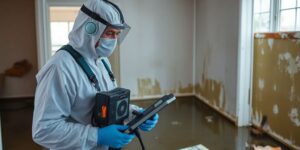
Reliable water systems are essential for homes, businesses, and public infrastructure, ensuring safety, efficiency, and comfort. Skilled technicians play a critical role in maintaining these systems, performing inspections, repairs, upgrades, and troubleshooting that prevent disruptions. Companies offering Plumbing Services Newark CA rely on trained professionals who combine technical expertise with practical problem-solving skills to keep water flowing smoothly. Regular maintenance, modern tools, and preventive measures allow technicians to detect minor issues early and address them before they escalate, ensuring long-term system reliability and reducing costly emergencies. Their work involves a mix of hands-on experience, knowledge of local codes, and the use of advanced equipment to monitor and protect water supply networks, demonstrating the importance of professional services in preserving water infrastructure.
Regular Inspections and System Monitoring
Skilled technicians implement structured inspection schedules and continuous monitoring to maintain water system performance. Routine checks help identify wear, leaks, pressure inconsistencies, and potential contamination, ensuring every component functions properly. Monitoring tools and sensors provide real-time insights into water flow, quality, and system pressure, allowing technicians to act quickly when irregularities arise. Key practices followed during inspections include:
- Checking pipe integrity and connections
- Monitoring water pressure and flow rates
- Identifying leaks and water wastage
- Testing backflow prevention systems
- Inspecting valves, pumps, and filtration units
These systematic inspections reduce unexpected breakdowns, extend the lifespan of equipment, and maintain consistent water quality. Technicians prioritize both safety and efficiency, using diagnostic devices and visual assessments to pinpoint areas requiring attention. By combining regular inspections with technological monitoring, professionals ensure proactive maintenance, preventing costly system failures and protecting both property and resources.
Maintenance and Repairs
Water system reliability depends heavily on preventive maintenance and timely repairs. Skilled technicians follow detailed maintenance schedules that include cleaning, lubrication, and testing of pumps, valves, and filtration systems. They repair minor leaks, replace worn components, and ensure that every connection meets regulatory standards. Preventive maintenance minimizes disruptions, reduces water loss, and prolongs the service life of plumbing systems. Technicians assess each part for wear and corrosion, replacing old or inefficient components to avoid sudden failures. Repair procedures are carefully planned and executed, focusing on minimizing downtime and preventing further damage. The combination of preventive maintenance and responsive repair strategies allows water systems to operate smoothly, supporting households and businesses without interruption.
System Upgrades and Modernization
Upgrading water systems ensures reliability and efficiency over time. Technicians recommend replacing outdated pipes, pumps, and control units with modern alternatives to improve safety, flow, and performance. Smart monitoring tools, automated controls, and energy-efficient equipment provide better system management and reduce operational costs. Common upgrade strategies include:
- Replacing old pipes with corrosion-resistant materials
- Installing energy-efficient pumps and motors
- Adding smart water meters and leak detectors
- Upgrading filtration and purification systems
- Implementing automated control systems for large-scale operations
Modernization also addresses evolving regulatory standards and environmental concerns. Technicians assess current systems, determine the most effective improvements, and execute upgrades with precision. These updates not only prevent failures but also optimize water usage, reduce energy consumption, and enhance overall system reliability. By staying current with technology and materials, technicians deliver solutions that maintain long-term performance and protect valuable water resources.
Emergency Response and Troubleshooting
Skilled technicians are trained to handle emergencies that could compromise water systems. Rapid response to issues such as burst pipes, pump failures, or contamination prevents extensive damage and maintains continuity of service. Technicians use systematic troubleshooting methods to isolate the problem, evaluate the severity, and implement immediate corrective actions. Their approach involves analyzing system schematics, inspecting affected components, and coordinating temporary measures to ensure safety. Troubleshooting also includes identifying hidden weaknesses that may cause future disruptions. By combining technical knowledge with practical experience, technicians restore system functionality quickly, ensuring water availability and minimizing downtime for homes, businesses, and public facilities.
Team Skills and Knowledge
The reliability of water systems relies on the skills and knowledge of trained technicians. Continuous education, certifications, and hands-on experience equip professionals with the expertise to manage complex water networks. They understand local codes, safety protocols, and operational standards, allowing them to make informed decisions during inspections, repairs, and upgrades. Skilled technicians possess problem-solving abilities and adapt to a wide range of system designs, whether residential, commercial, or municipal. Their work requires attention to detail, precision, and the ability to coordinate with other professionals, ensuring every task meets quality standards. This combination of training and experience ensures that water systems remain functional, safe, and dependable for the communities they serve.
Community and Environmental Responsibility
Technicians play a vital role in promoting water conservation and sustainability. Their practices aim to reduce wastage, improve efficiency, and support public health. Proper maintenance and modernization prevent leaks and contamination, conserving valuable resources while protecting the environment. Technicians implement eco-friendly methods such as low-flow devices, efficient pumps, and smart monitoring to reduce energy consumption and water loss. Communities benefit from consistent water quality, lower utility costs, and improved infrastructure resilience. Skilled professionals act as guardians of public and private water systems, balancing operational reliability with environmental responsibility, which strengthens community trust and ensures long-term system sustainability.
Conclusion
Skilled technicians maintain water system reliability through inspections, maintenance, upgrades, emergency response, and expert knowledge. Their systematic approach and practical expertise prevent disruptions, extend equipment lifespan, and protect water quality. Services such as Plumbing Services Newark CA provide professional solutions that ensure homes, businesses, and public facilities operate efficiently with minimal risk of failure. Regular monitoring, timely repairs, modernization, and eco-conscious practices combine to deliver a dependable water supply. Investing in skilled technicians and professional services ensures long-term reliability, safety, and efficiency, giving communities and property owners peace of mind.
FAQs
What regular inspections do technicians perform on water systems?
Technicians check pipe integrity, monitor water pressure, identify leaks, inspect valves and pumps, and test backflow prevention systems to maintain system reliability.
How do modern upgrades improve water system performance?
Upgrades include corrosion-resistant pipes, energy-efficient pumps, smart meters, automated controls, and improved filtration, increasing efficiency, safety, and reliability.
How do technicians respond to water system emergencies?
They use systematic troubleshooting, isolate the problem, implement corrective actions, and coordinate temporary solutions to restore functionality quickly.
Why is professional knowledge important for maintaining water systems?
Trained technicians understand safety protocols, local codes, and system operations, ensuring inspections, repairs, and upgrades are executed correctly for reliable performance.