Safety in short-term rental properties is a critical concern for both property owners and guests. Guests expect a secure environment, while property owners face potential liability if hazards go unaddressed. Property inspections serve as a key solution to maintain safety standards, prevent accidents, and protect property investments. Experts like SMS Consultant assist owners in creating structured inspection routines, helping identify and resolve risks that may otherwise go unnoticed. Understanding the inspection process and its impact on safety can transform a rental property from a potential liability into a reliable, trusted accommodation that attracts repeat bookings and positive reviews.
Understanding the Role of Inspections in Short-Term Rentals
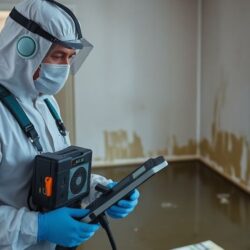
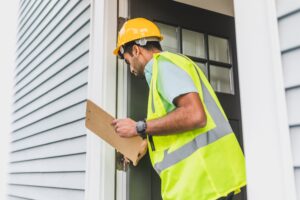
Regular inspections provide a systematic approach to identifying safety risks, structural issues, and maintenance needs. Each inspection can focus on multiple aspects, including electrical systems, fire safety measures, plumbing, structural integrity, and general cleanliness. Inspections uncover hidden hazards that may pose risks to guests, such as faulty wiring, loose handrails, or water leaks. Property owners benefit from detailed reports highlighting areas that need attention, which helps prioritize repairs and reduces long-term costs. Scheduled inspections also offer documentation for compliance with local safety regulations, protecting owners from potential legal consequences and enhancing overall guest confidence in the property.
Identifying Common Safety Hazards
- Faulty wiring or electrical issues can cause shocks or fires and must be identified during inspections.
- Smoke or carbon monoxide detectors may be missing or malfunctioning, creating significant risk in enclosed spaces.
- Slippery floors, loose tiles, or uneven surfaces increase the likelihood of trips and falls.
- Poorly maintained furniture and appliances can lead to injuries or operational failures.
- Blocked exits or inadequate fire safety equipment reduce evacuation efficiency during emergencies.
Recognizing these hazards allows property owners to address them promptly, creating a safer environment that meets guest expectations and regulatory standards. Hazard identification also reduces insurance claims and enhances the property’s reputation for reliability and safety.
Benefits of Regular Inspections
Regular inspections contribute directly to accident prevention and reduce potential liabilities. Identifying issues early ensures that necessary repairs or replacements occur before problems escalate, preventing injuries to guests and property damage. Inspections maintain property value by preserving structural integrity and preventing deterioration. Consistently safe rental environments build trust with guests, improving reviews and repeat bookings. Clear documentation from inspections demonstrates a commitment to safety, which can also positively impact insurance premiums. The combination of preventive maintenance, legal protection, and guest satisfaction highlights why inspections are an indispensable part of rental property management.
Implementing a Comprehensive Inspection Checklist
- Structural integrity checks, including walls, ceilings, and flooring, prevent hidden damage from worsening.
- Electrical and plumbing system inspections ensure safe and reliable utility usage.
- Fire safety checks verify functional alarms, accessible extinguishers, and clear exit routes.
- Cleanliness and sanitation verification reduces health risks and maintain a welcoming environment.
- Outdoor area safety checks cover stairs, balconies, pools, and walkways to prevent accidents.
Creating a detailed checklist ensures inspections are thorough and systematic. It eliminates oversight, allowing property owners to address both obvious and hidden hazards efficiently. Consistent application of such a checklist improves property longevity and guest confidence.
Using Technology to Enhance Safety Inspections
Modern technology plays a vital role in strengthening property safety. Mobile applications allow property owners to schedule and track inspections, generate reports, and monitor completed tasks. Smart sensors detect smoke, gas leaks, water leaks, and unusual temperature changes, alerting owners immediately. Digital records simplify compliance with safety regulations and insurance requirements. Technology also enables remote monitoring, ensuring that properties remain safe even when owners cannot be physically present. Integrating these tools into inspection routines provides data-driven insights, helping identify recurring issues and preventing future hazards efficiently.
Training and Awareness for Property Owners and Guests
Educating property owners on proper inspection techniques and safety standards ensures consistent application of best practices. Understanding how to identify potential hazards and resolve them promptly reduces risks and operational interruptions. Guests also benefit from awareness initiatives, such as emergency instructions and clear safety information displayed within the property. Providing guidance on fire exits, appliance usage, and pool safety encourages responsible behavior. Combining owner training with guest education creates a shared responsibility for safety, significantly reducing accidents and fostering trust between guests and hosts.
Case Studies: How Inspections Prevented Incidents
One property in a metropolitan area avoided a potential fire hazard after an inspection revealed outdated wiring near the kitchen. Timely replacement prevented property damage and guest injury. Another short-term rental identified a loose balcony railing during a routine check, avoiding serious accidents. A third property discovered malfunctioning smoke detectors through a structured inspection, enabling immediate replacement and preventing exposure to harmful smoke in the event of a fire. These examples demonstrate how inspections act as a proactive safety measure, protecting both property and guests while reinforcing the value of routine checks guided by experts like SMS Consultant.
Conclusion
Structured inspections are essential to maintaining short-term rental safety. They prevent accidents, protect property investments, and ensure compliance with regulations. Property owners benefit from identifying hazards early, reducing liability risks, and enhancing guest satisfaction. Incorporating technology and detailed checklists into inspection routines streamlines the process and improves efficiency. Education for both owners and guests strengthens the safety culture and ensures everyone understands emergency protocols. Partnering with experts such as SMS Consultant helps establish reliable inspection procedures, turning short-term rentals into safe, trusted, and highly rated accommodations. Consistent inspections transform property management from reactive repairs to proactive safety and guest-focused care.
FAQs
What types of hazards should inspections prioritize in short-term rentals?
Inspections should focus on electrical systems, smoke and carbon monoxide detectors, structural integrity, cleanliness, fire safety, and outdoor areas such as stairs and balconies.
How often should short-term rental inspections be conducted?
Inspections should occur before every guest change, monthly for major systems, and annually for comprehensive safety checks.
Can technology replace physical inspections entirely?
Technology complements inspections but does not replace them. Sensors and apps provide monitoring and alerts, but physical checks ensure structural and operational safety.
How do inspections affect insurance and liability?
Inspections reduce liability risks and provide documentation that can support insurance claims or compliance requirements, potentially lowering premiums.