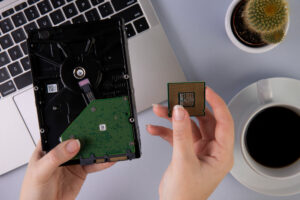
As businesses increasingly rely on digital systems to store sensitive information, the importance of secure data disposal has never been greater. From customer records to internal financial data, organizations handle vast amounts of confidential information every day. When IT equipment reaches the end of its lifecycle, improper disposal can expose companies to data breaches, legal risks, and reputational damage. This is why Hard Drive Destruction and responsible server recycling have become essential components of modern IT asset management.
Organizations across industries are now prioritizing secure disposal methods that not only protect sensitive data but also align with environmental and regulatory requirements. By combining data security with sustainability, businesses can manage obsolete hardware responsibly while maintaining trust and compliance.
Understanding the Risks of Improper Data Disposal
Outdated hard drives and servers often still contain recoverable data, even after deletion or formatting. Many organizations mistakenly assume that deleting files or resetting systems is sufficient, but advanced recovery techniques can easily retrieve sensitive information from improperly disposed devices.
Hard Drive Destruction addresses this risk by permanently eliminating stored data, ensuring it cannot be reconstructed or misused. Without proper destruction methods, businesses face serious consequences, including data breaches, regulatory penalties, and loss of customer confidence. Secure disposal practices are therefore not optional but a critical requirement in today’s data-driven environment.
What Hard Drive Destruction Involves
Hard Drive Destruction refers to the complete and irreversible elimination of data stored on hard drives. This process typically involves physical or mechanical methods that render storage media unusable. Common techniques include shredding, crushing, and degaussing, all of which ensure that data cannot be recovered.
Professional destruction services follow strict procedures and often provide certification of destruction. These certificates serve as proof of compliance and are valuable during audits or regulatory reviews. By implementing Hard Drive Destruction as part of their IT policies, organizations can demonstrate a proactive approach to data security.
The Role of Server Recycling in Modern Businesses
Server recycling complements secure data destruction by focusing on the responsible disposal and reuse of IT hardware. Servers are complex devices containing valuable materials such as metals, plastics, and electronic components. When disposed of improperly, they contribute to electronic waste and environmental harm.
Recycling servers allows organizations to recover usable components while ensuring hazardous materials are handled safely. Before recycling, data-bearing components are securely processed through Hard Drive Destruction to eliminate any risk of data exposure. This integrated approach supports both security and sustainability objectives.
Compliance and Regulatory Considerations
Many industries are subject to strict data protection regulations that govern how sensitive information must be handled and disposed of. Regulations such as GDPR, HIPAA, and other data privacy laws require organizations to ensure that personal and confidential data is permanently destroyed when no longer needed.
Hard Drive Destruction plays a crucial role in meeting these compliance requirements. Certified destruction processes help organizations avoid legal penalties and demonstrate due diligence. Server recycling further supports compliance by ensuring that electronic waste is managed according to environmental regulations and industry standards.
Environmental Benefits of Responsible IT Disposal
Beyond security and compliance, responsible disposal practices offer significant environmental advantages. Electronic waste is one of the fastest-growing waste streams globally, and improper disposal can lead to pollution and resource depletion.
Server recycling reduces landfill waste and promotes the reuse of valuable materials. When paired with Hard Drive Destruction, recycling ensures that sustainability efforts do not compromise data security. Businesses that adopt these practices contribute to a circular economy while reinforcing their commitment to corporate social responsibility.
Why Businesses Are Prioritizing Secure IT Asset Management
As cyber threats continue to evolve, organizations are becoming more aware that data security extends beyond active systems. End-of-life devices represent a hidden vulnerability if not managed properly. This has led many businesses to integrate secure disposal policies into their broader cybersecurity strategies.
Hard Drive Destruction is increasingly viewed as a standard best practice rather than an optional service. Combined with server recycling, it allows organizations to manage IT assets responsibly from acquisition to disposal. This holistic approach reduces risk, improves operational efficiency, and enhances organizational credibility.
Choosing the Right Service Provider
Selecting a reliable service provider is critical to ensuring effective data destruction and recycling. Reputable providers follow industry standards, offer transparent processes, and provide documentation to verify completed services. They also ensure that destruction and recycling methods are environmentally responsible.
When evaluating providers, businesses should consider certifications, experience, and the ability to handle large-scale IT assets securely. A trusted partner helps organizations implement Hard Drive Destruction and server recycling with confidence and consistency.
Integrating Secure Disposal into Long-Term Strategy
Secure IT disposal should be an ongoing process rather than a one-time task. As technology evolves, organizations regularly upgrade systems and replace hardware. Incorporating disposal planning into IT lifecycle management ensures that security and sustainability are addressed at every stage.
By embedding Hard Drive Destruction and server recycling into long-term strategies, businesses can reduce risks, control costs, and maintain compliance. This proactive mindset supports resilience in an increasingly complex digital landscape.
Conclusion: A Balanced Approach to Security and Sustainability
In an era where data protection and environmental responsibility are equally important, organizations must adopt disposal practices that address both concerns. Hard Drive Destruction ensures that sensitive information is permanently eliminated, protecting businesses from data breaches and compliance failures. Server recycling, on the other hand, supports sustainable IT practices by reducing waste and conserving resources.
Together, these solutions form a comprehensive approach to IT asset management. Businesses that prioritize secure destruction and responsible recycling position themselves as trustworthy, compliant, and environmentally conscious organizations—well-prepared for the challenges of the digital age.