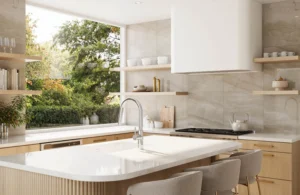
The kitchen is the heart of every home, influencing not only cooking and dining but also family interaction and the overall ambiance of the house. RTA cabinets Holly Hill offer a wide variety of finishes that allow homeowners to experiment with color combinations, creating unique moods and styles in their kitchens. Selecting the right colors can completely transform the space, making it feel vibrant, cozy, serene, or luxurious. Understanding how different shades interact with light, materials, and decor is essential to designing a kitchen that aligns with both functionality and style preferences. Choosing colors strategically helps balance aesthetics with practical needs, from creating a warm, inviting environment to achieving a modern, sleek appearance. Every element, from cabinets to walls and countertops, plays a role in how the color palette shapes the room’s overall perception.
The Psychology of Kitchen Colors
Colors in the kitchen have a profound effect on mood and behavior. Warm tones like reds, oranges, and yellows energize the space and stimulate conversation and appetite, making them ideal for lively family kitchens. Cool shades such as blues, greens, and purples create a calming, focused environment suitable for minimalist or serene cooking spaces. Neutral colors, including whites, grays, and beiges, provide flexibility and a sense of openness, making the kitchen appear larger and more inviting. Bold accent colors can draw attention to specific areas or features, offering visual interest and breaking the monotony. Understanding color psychology allows homeowners to craft a kitchen atmosphere that complements daily routines and social activities.
- Warm colors (reds, oranges, yellows) create energy and excitement.
- Cool colors (blues, greens, purples) promote relaxation and focus.
- Neutral tones (whites, grays, beiges) offer versatility and a sense of space.
- Bold accents can stimulate creativity or highlight features.
Choosing Colors Based on Kitchen Style
The style of a kitchen significantly influences which color palette will work best. Modern kitchens often rely on monochromatic schemes or sharp contrasts to create a clean, polished look, while farmhouse kitchens favor muted, earthy tones for a cozy, timeless feel. Minimalist kitchens thrive with neutral shades, emphasizing simplicity and spatial harmony. Traditional kitchens often use rich, deep colors to highlight elegance and enduring design. Selecting colors that align with the intended style ensures that every element, from cabinets to backsplash, contributes to a cohesive visual experience. Strategic color combinations enhance the room’s character, balancing furniture, flooring, and decorative items.
- Modern kitchens often use monochromatic or contrasting tones.
- Farmhouse kitchens favor soft, muted colors and pastels.
- Minimalist kitchens rely on neutrals and subtle shades.
- Traditional kitchens incorporate rich, classic colors for timeless appeal.
The Role of Cabinets, Countertops, and Walls
Cabinets play a central role in defining a kitchen’s aesthetic. Lighter cabinet colors can make a compact space feel more expansive, while darker shades add sophistication and depth. Countertops and backsplashes complement cabinet tones, creating harmony or contrast that enhances visual appeal. Wall colors serve as the backdrop, influencing the perception of space and light. Coordinating these elements requires careful consideration of both hue and finish. Matte, glossy, or textured surfaces interact differently with lighting, altering the perceived color. Balancing these components creates a well-integrated look where functional and decorative features coexist seamlessly. Selecting cabinet colors that harmonize with countertops and wall tones is a critical step in achieving a kitchen design that is both stylish and comfortable.
Lighting and Color Interaction
Lighting dramatically affects how colors appear in a kitchen. Natural sunlight brings out true colors, while artificial lighting can either warm or cool a room depending on bulb type. Warm lighting enhances reds, oranges, and yellows, giving the space an inviting feel, whereas cooler lighting accentuates blues and greens, promoting calm and focus. Reflective surfaces such as glossy cabinets or polished countertops amplify the effect of light, intensifying color perception. Strategic placement of lighting allows homeowners to highlight focal points or create areas of contrast. Understanding the interaction between lighting and color ensures that the chosen palette performs well under different conditions, maintaining the intended mood throughout the day. Combining proper lighting with thoughtful color selection maximizes both beauty and functionality.
Practical Tips for Selecting Kitchen Colors
Choosing a color palette requires balance and careful planning. Testing paint swatches in multiple areas of the kitchen reveals how shades respond to light and surrounding materials. Limiting the number of primary colors to two or three avoids visual clutter while introducing accent colors through small appliances, décor items, or cabinet finishes adds personality without overwhelming the space. Coordinating cabinet colors with countertops, flooring, and backsplash ensures consistency and elegance. Using neutral tones for larger surfaces and bolder shades for accents helps maintain harmony. Considering resale value alongside personal taste allows homeowners to select colors that appeal to both daily living and long-term investment.
- Test paint samples under different lighting conditions.
- Limit the number of primary colors to two or three.
- Use accent colors for small appliances or decor items.
- Coordinate colors with cabinet finishes, countertops, and flooring.
Popular Color Combinations and Trends
Recent trends highlight the use of soft blues, sage greens, and warm taupes paired with natural wood finishes. Monochromatic kitchens in shades of gray or beige remain popular, offering timeless elegance. Contrasting combinations, such as navy cabinets with white countertops or black accents with light walls, create striking visual effects. Bold colors for islands or cabinet doors provide opportunities to introduce personality into the kitchen without overwhelming the entire space. Matching color palettes to existing furniture and decor maintains cohesion, while occasional statement colors can define zones or features. Considering both mood and style ensures a color scheme that reflects modern preferences while remaining functional and inviting.
Conclusion
Thoughtful color choices transform kitchens, influencing mood, style, and perception of space. By selecting hues that align with the intended atmosphere and coordinating cabinets, walls, and countertops, homeowners can achieve both visual appeal and practical functionality. RTA cabinets Holly Hill provide versatile options to experiment with finishes and combinations, allowing each kitchen to express personality while maintaining harmony. Understanding the psychology of colors, the role of lighting, and the interaction between different materials helps create a space that feels cohesive, comfortable, and stylish. A carefully chosen palette ensures that the kitchen is not just a functional area but a central hub of energy, relaxation, and aesthetic appeal.
FAQs
What colors make a kitchen feel larger?
Light neutral shades such as whites, beiges, and soft grays reflect light and create a sense of openness, making small kitchens feel more spacious.
How do warm colors affect kitchen atmosphere?
Warm colors like red, orange, and yellow stimulate energy, conversation, and appetite, ideal for lively and social kitchen spaces.
Can bold cabinet colors work in small kitchens?
Yes, using bold colors on select cabinets or islands adds character without overwhelming the space when balanced with neutral walls and countertops.
How does lighting influence color perception in kitchens?
Natural and artificial light can alter the appearance of colors, highlighting or muting shades. Testing colors under different lighting ensures the desired mood is achieved.