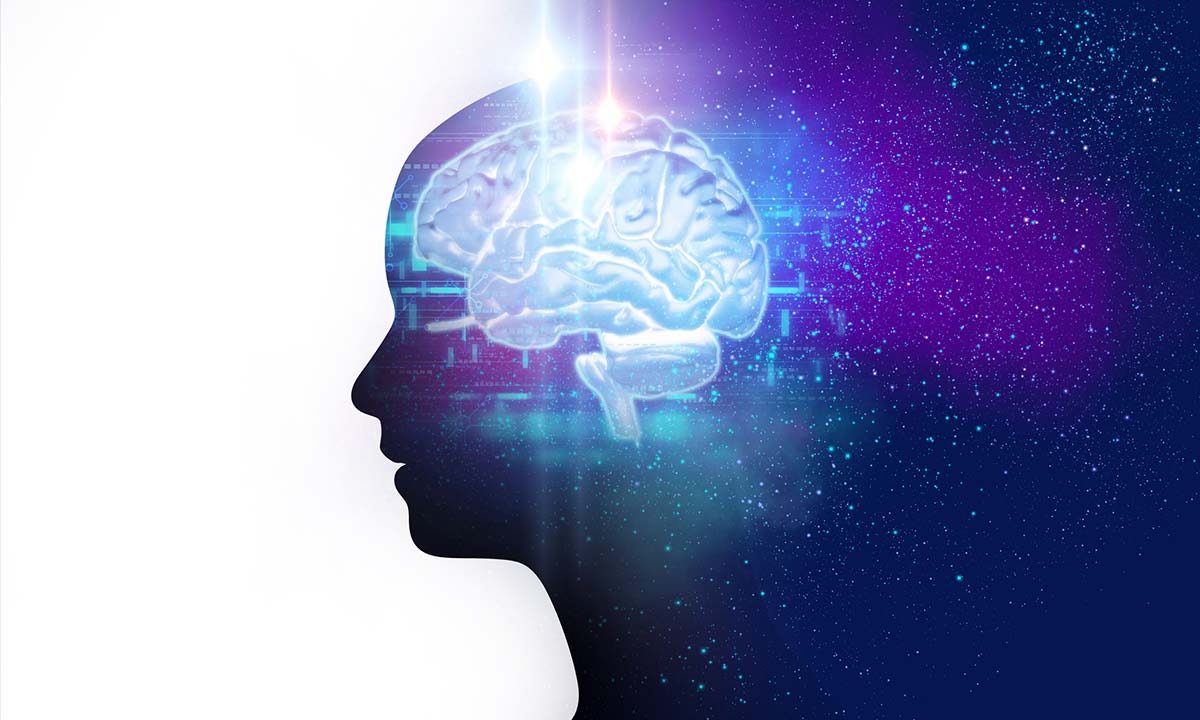
Understanding brain anatomy is key to unlocking the mysteries of human thought, emotion, and behavior. The brain’s structure determines how information is processed, how memories are stored, and how we interact with the world. Studying the brain through its physical organization allows learners to connect form with function, offering clarity and insight into the processes that shape everyday life.
By focusing on anatomy, students, educators, and curious individuals gain a concrete framework for learning neuroscience. This approach helps make complex mental processes understandable and opens the door to deeper exploration of the mind.
Why Anatomy Is Essential for Understanding the Brain
The brain is a highly coordinated system, and each mental function originates in specific regions. Learning anatomy first provides a foundation for understanding how the brain manages perception, movement, memory, and emotion.
Benefits of Studying Brain Anatomy
Studying the brain’s structure allows learners to:
-
Visualize how different regions interact
-
Understand the pathways of information flow
-
Connect cognitive and emotional processes to physical structures
-
Improve retention of complex neuroscience concepts
An anatomy-first approach ensures learners develop both a strong conceptual understanding and practical knowledge.
The Cerebral Cortex: The Brain’s Outer Network
The cerebral cortex is the outermost layer of the brain, responsible for higher-order functions such as reasoning, decision-making, perception, and voluntary movement. It is divided into two hemispheres and four primary lobes, each specializing in unique tasks while maintaining interconnected communication.
Frontal Lobe: Executive Function and Motor Control
The frontal lobe oversees planning, problem-solving, attention, emotional regulation, and voluntary movement. It houses the motor cortex, which directs precise muscle activity.
Studying the frontal lobe anatomically reveals how goal-directed behavior and conscious control emerge from specific structures.
Parietal Lobe: Sensory Integration and Spatial Reasoning
The parietal lobe processes sensory input such as touch, pressure, and body position. It is critical for spatial awareness, coordination, and interpreting external stimuli.
Understanding its structure clarifies how sensory signals are converted into meaningful perception.
Temporal Lobe: Memory and Language
The temporal lobe is responsible for auditory processing, language comprehension, and memory formation. The hippocampus, a key structure in this lobe, encodes and retrieves experiences.
Anatomical exploration of the temporal lobe highlights how memory and communication rely on physical organization.
Occipital Lobe: Visual Interpretation
The occipital lobe handles vision. It processes information from the eyes to recognize colors, shapes, patterns, and movement.
Studying its anatomy demonstrates how visual perception arises from structured neural pathways.
Subcortical Structures: The Brain’s Supporting Systems
Beneath the cerebral cortex lie subcortical structures that regulate essential functions, learning, and movement. These regions are integral to maintaining efficiency and balance in the brain.
Thalamus: Sensory Information Hub
The thalamus directs sensory information to appropriate cortical areas. Its anatomical structure ensures proper organization and prioritization of incoming signals.
Hippocampus: Learning and Memory
The hippocampus is vital for forming new memories and supporting learning. Understanding its structure explains how experiences are stored and retrieved.
Basal Ganglia: Movement and Habit Development
The basal ganglia coordinate voluntary movements and habit formation. Their anatomy supports smooth motion and the reinforcement of learned behaviors.
Brainstem: Vital Life Functions
The brainstem regulates automatic processes such as breathing, heart rate, and sleep cycles. Studying its anatomy shows how essential life functions are maintained without conscious effort.
Approaches to Learning Brain Anatomy
Anatomy-focused learning is most effective when content is organized, clear, and visually supported. Structured lessons allow learners to progress from major regions to finer details systematically.
Visual diagrams and step-by-step explanations reinforce understanding and ensure learners build confidence in mastering complex material.
Who Can Benefit From Anatomy-Based Learning?
This approach is valuable for:
-
Students studying neuroscience, psychology, or biology
-
Educators designing structured teaching materials
-
Health and wellness enthusiasts
-
Lifelong learners curious about the human brain
An anatomy-centered framework provides a clear path for learners of all levels to understand and apply knowledge.
Linking Structure to Everyday Experiences
Understanding the brain’s physical organization explains everyday phenomena, from paying attention and recalling memories to coordinating movements and experiencing emotions. Recognizing these connections makes brain anatomy relevant and practical.
Curiosity as a Learning Tool
Curiosity drives exploration and deeper comprehension. Studying brain anatomy nurtures this curiosity, encouraging learners to investigate further while connecting structural knowledge to real-life experiences.
For those seeking a focused and comprehensive resource, Cortex Curious offers an anatomy-first platform designed to connect physical brain structures with their functional roles, helping learners understand thought, memory, and behavior in a clear and engaging way.
Conclusion
Studying brain anatomy transforms the way we understand the mind. By learning how the brain is structured and how its parts work together, learners gain clarity, insight, and appreciation for one of the most remarkable organs in the human body.
An anatomy-based approach provides a practical roadmap to explore thought, memory, emotion, and action, turning curiosity into knowledge and fostering lifelong learning about the human brain.