Most successful business executives collect art or real estate. Scott Bader Los Angeles chose a different path. He built one of the world’s most comprehensive vintage slot car museums while running a national construction materials company. This isn’t a story about retirement hobbies. It’s about a man who turned childhood dreams into a cultural preservation project that attracts enthusiasts from across the globe.
From Construction Materials to Classic Cars
Running a construction materials empire takes serious dedication. For over four decades, Bader led Inline Distributing through every market shift and industry challenge. The company grew from a single location to eleven distribution centers spanning the country. They supplied environmental remediation products, safety equipment, and construction materials to thousands of contractors.
But weekends told a different story. While other executives played golf, Bader raced vintage cars and hunted for rare slot car kits from the 1960s. The contrast seems strange until you understand his background.
The Childhood Dream That Never Died
Growing up in 1960s Los Angeles meant living through America’s slot car explosion. Between 1963 and 1967, over 3,500 commercial raceways opened nationwide. Kids could race miniature cars on elaborate tracks at dedicated facilities. The hobby generated $350 million in annual revenue—massive numbers for that era.
Young Bader rode his bicycle to Revell Raceway near his home. He watched other kids race expensive models he couldn’t afford. His first slot car was a simple Porsche 904 by Monogram. That purchase planted a seed.
The slot car craze collapsed by 1970. Video games and electronic toys took over. Thousands of raceways closed. Most people moved on. Bader didn’t forget.
He spent his teenage years racing a 1969 Chevrolet Camaro at local dragstrips. Van Nuys Boulevard became his weekly destination. Hundreds of car enthusiasts gathered there every weekend. This wasn’t just about cars. It represented a culture, a moment in time, a piece of American history worth preserving.
Building the World’s Most Comprehensive Collection
After 2000, Bader stepped back from daily business operations. He had built something sustainable. Now he could pursue what really mattered. He started acquiring slot cars—not randomly, but systematically. Every purchase had a purpose. Every piece told part of the story.
By 2008, the collection had grown beyond his expectations. He established the museum as a formal entity. In 2014, he completed the physical space in his West Hollywood residence. The location sits just above Sunset Strip, blocks from where he used to cruise as a teenager.
The collection now holds over 4,000 cars and kits. Most remain mint in their original 1960s packaging. Glass cases display thousands of accessories, parts, and ephemera from slot car manufacturers that no longer exist. A separate storage facility houses five aisles of additional inventory.
This goes beyond collecting. Twelve video screens show the complete history of slot car racing. Period music plays continuously. The air conditioning system even pumps in oil of wintergreen—the distinctive smell of racing tire additive from the 1960s. Every detail recreates that era.
What Makes This Collection Different
You won’t find this collection by accident. The museum opens only by appointment, a handful of times yearly. Small groups receive three-hour tours. This scarcity creates something valuable—an intimate experience where every question gets answered.
Most toy museums throw everything in display cases. This approach differs completely. Each section documents specific manufacturers, racing innovations, and cultural moments. Original box art hangs beside the products. Racing posters from defunct tracks line the walls. Comic books and magazines show how slot cars infiltrated popular culture.
The online component makes the collection accessible worldwide. The website functions as a second museum with detailed photography and historical documentation. Collectors reference it constantly. Researchers cite it in their work.
Your kids won’t see this at typical museums. Major institutions ignore toy history. When they do acknowledge it, they miss the cultural context. They don’t explain why millions of Americans suddenly cared about miniature racing cars. They don’t show the craftsmanship in hand-built racing models. They don’t preserve the packaging, advertising, and ephemera that tells the complete story.
The Racing Heritage Behind the Collection
Scott Bader Los Angeles didn’t just collect slot cars. He raced them competitively at tracks across the United States and Canada. Multiple wins at major facilities proved his dedication went beyond ownership. He understood these machines at a technical level.
That competitive experience carried into full-scale racing. After 2000, he competed professionally in the IMSA and Rolex sports car series. His weapon of choice? A Porsche 911 GT3R. Road racing complemented his collection perfectly.
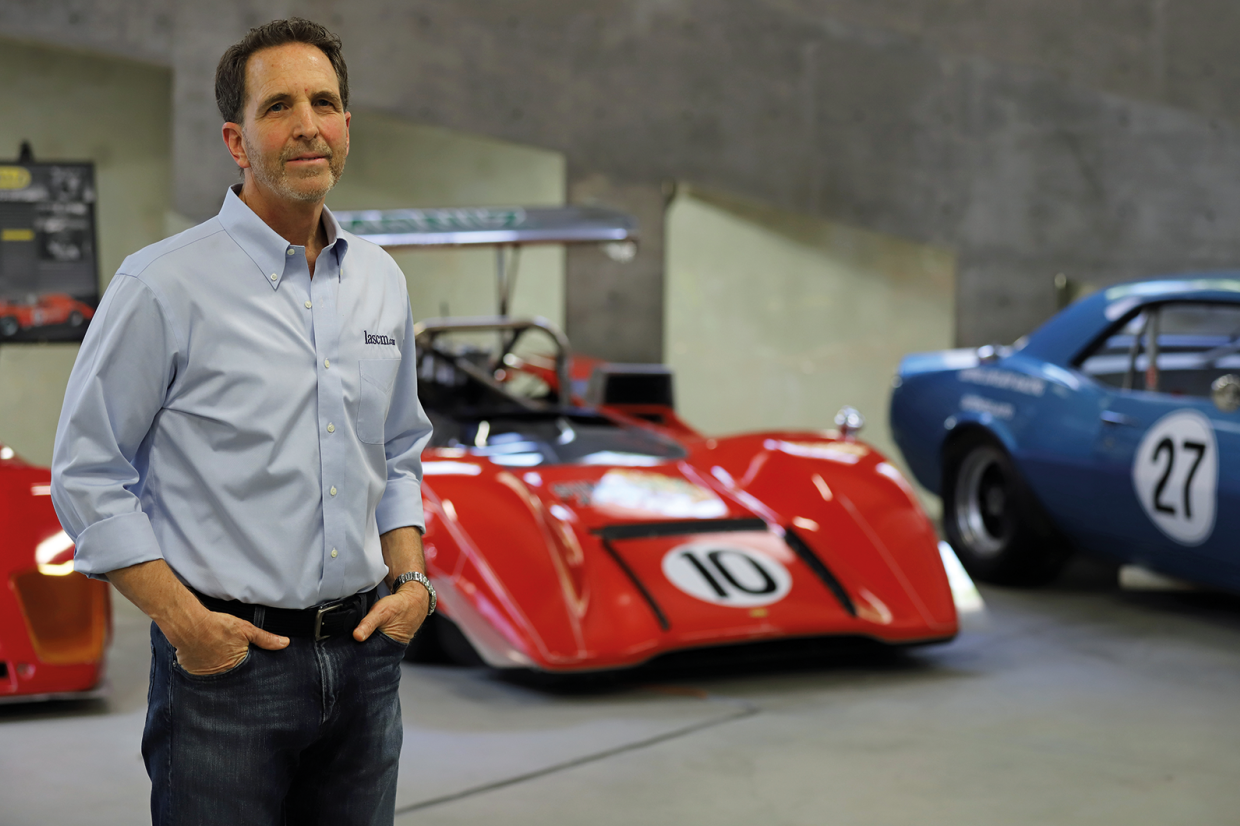
His garage houses approximately 25 historic race cars. A yellow 1966 Corvette holds special significance the most successful mid-year model in American B Production racing. Ronnie Peterson’s March 711-6 Formula One car sits nearby. That machine finished second in the 1971 World Championship. A 1969 Lola Can-Am racer shares space with a powerful 1967 Camaro Z/28 Trans-Am car producing 580 horsepower.
These aren’t garage queens. Each car has a documented racing history. Each represents specific innovations in motorsport. Scott Bader Los Angeles built this collection to connect miniature racing to the larger story of automotive competition.
Your Chance to Experience Automotive History
Finding authentic automotive history gets harder every year. Original documentation disappears. Key artifacts get thrown away. People who lived through important eras pass on without recording their stories. Collections get split up and sold piecemeal.
Scott Bader Los Angeles created something that prevents that loss. This collection captures a specific moment when America went crazy for miniature racing. It documents the companies, products, and people who created an industry. It preserves items that would otherwise end up in landfills.
But you need to act. Appointment slots fill quickly. Serious collectors and automotive historians book tours months ahead. The museum limits visitors to maintain the experience quality and protect the collection.
Tours run approximately three hours. That’s not excessive. There’s simply that much to see and discuss. You’ll understand why slot cars mattered. You’ll see manufacturing techniques that no longer exist. You’ll learn about failed companies that innovated before disappearing. You’ll discover connections between toy manufacturing and real automotive engineering.
Frequently Asked Questions
Where exactly is the museum located?
The museum sits in West Hollywood, California, one block north of Sunset Boulevard. The exact address remains private as visits require appointments. Contact through the museum website for location details and scheduling.
How much does it cost to visit?
Visit information and any associated costs are provided when you request an appointment through the official website. The museum operates as a private collection with limited public access.
Can I bring my children?
Yes, but consider their attention span. Tours last three hours and involve detailed historical information. Children genuinely interested in cars or history will find it fascinating. Those expecting hands-on play might get restless.
Do you buy vintage slot cars?
The collection actively seeks specific items to fill gaps in the historical record. Contact the museum directly if you have rare slot cars, unopened kits, or related memorabilia from the 1960s era.
Is photography allowed during tours?
Photography policies vary and will be explained when you book your appointment. Respect for the collection and other visitors remains the priority.