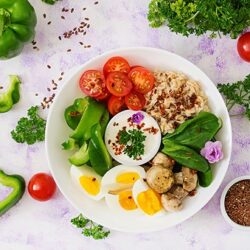
Creating a daily routine around a Whole Plant Based Food List: Foods You Should Eat Every Day is one of the simplest ways to improve overall health. Instead of focusing on restrictions, this approach highlights what to eat more often—real, nutrient-dense foods straight from plants.
Whole plant based foods provide fiber, antioxidants, vitamins, and minerals that support digestion, heart health, energy levels, and long-term disease prevention. When eaten consistently, these foods form a strong foundation for clean and sustainable eating.
What Does “Whole Plant Based” Really Mean?
Whole plant based foods come from plants and are eaten in their natural or minimally processed form. This means no refined sugars, white flours, or heavily processed oils. The closer the food looks to how it grew in nature, the better.
Examples include:
- An apple instead of apple juice
- Brown rice instead of white rice
- Beans instead of processed vegan meat
Why Eating These Foods Daily Matters
Eating a variety of whole plant foods every day:
- Improves digestion through fiber
- Supports heart health and cholesterol balance
- Stabilizes blood sugar levels
- Feeds beneficial gut bacteria
- Helps maintain a healthy weight naturally
Daily consistency matters more than perfection.
Vegetables You Should Eat Every Day
Leafy Greens
Aim to eat leafy greens daily. These include:
- Spinach
- Kale
- Swiss chard
- Romaine lettuce
They’re rich in iron, calcium, folate, and antioxidants.
Cruciferous Vegetables
These vegetables support detoxification and cellular health:
- Broccoli
- Cauliflower
- Brussels sprouts
- Cabbage
Colorful Vegetables
Different colors provide different nutrients:
- Carrots
- Bell peppers
- Beets
- Sweet potatoes
A colorful plate is a healthy plate.
Fruits to Include Daily
Berries
Blueberries, strawberries, and raspberries are packed with antioxidants and fiber.
Citrus Fruits
Oranges, lemons, and grapefruits support immunity and skin health with vitamin C.
Everyday Fruits
Apples, bananas, pears, and mangoes are easy, affordable, and filling daily options.
Whole Grains for Daily Energy
Whole grains provide slow-digesting carbohydrates that fuel the body:
- Oats
- Brown rice
- Quinoa
- Barley
- Whole wheat
These grains help keep you full and energized throughout the day.
Legumes: Daily Plant Protein Staples
Legumes are a cornerstone of whole plant based eating:
- Lentils
- Chickpeas
- Black beans
- Kidney beans
- Split peas
They provide protein, iron, zinc, and fiber, making them ideal daily foods.
Nuts and Seeds You Should Eat Every Day
Small daily portions are enough:
- Walnuts
- Almonds
- Chia seeds
- Flaxseeds
- Pumpkin seeds
They supply healthy fats, omega-3s, and minerals.
Herbs, Spices, and Flavor Boosters
These add flavor and health benefits without added salt or oil:
- Garlic
- Ginger
- Turmeric
- Cinnamon
- Basil and oregano
How to Build a Daily Whole Plant Based Plate
A simple daily formula:
- ½ plate: vegetables and fruits
- ¼ plate: whole grains
- ¼ plate: legumes
- Add: nuts or seeds
This balance supports nutrition without calorie counting.
Common Mistakes to Avoid
- Relying too much on processed vegan foods
- Not eating enough calories
- Skipping legumes
- Avoiding healthy fats completely
- Eating the same foods every day
Variety is key to long-term success.
Frequently Asked Questions (FAQs)
- Do I need to eat all these foods every single day?
No. Aim for variety across the week while prioritizing vegetables and legumes daily. - Is fruit okay to eat every day?
Yes. Whole fruits are rich in fiber and nutrients. - How many vegetables should I eat daily?
At least 3–5 servings, more if possible. - Can I eat nuts daily?
Yes, in moderate portions. - Are potatoes considered whole plant based food?
Yes. Potatoes and sweet potatoes are whole plant foods. - Is oil part of a whole plant based food list?
Most whole plant based approaches limit or avoid oils.
Conclusion
Following a Whole Plant Based Food List: Foods You Should Eat Every Day helps simplify healthy eating. By focusing on vegetables, fruits, whole grains, legumes, nuts, and seeds, you give your body consistent nourishment that supports long-term health.
Adopting a whole plant-based food lifestyle is one of the most practical and sustainable ways to support long-term health and overall well-being. By focusing on foods in their most natural form—such as fruits, vegetables, whole grains, legumes, nuts, and seeds—you provide your body with essential nutrients, fiber, antioxidants, and plant compounds that are often missing in highly processed diets. Eating these foods every day helps create a strong nutritional foundation that supports energy levels, digestion, immunity, and metabolic health.
A whole plant-based food list is not about restriction; it is about abundance and variety. Colorful fruits and vegetables supply vital vitamins and minerals, while whole grains like brown rice, oats, and millets offer sustained energy and gut-friendly fiber. Legumes such as lentils, chickpeas, and beans are excellent sources of plant protein and iron, making them ideal for daily meals. Nuts and seeds contribute healthy fats that support brain function and heart health, while also adding flavor and texture to your diet. Together, these foods work synergistically to nourish the body from the inside out.