Tooth cavities are one of the most common dental problems, yet they are also one of the most preventable. Many people think cavities only happen when you eat too much sugar, but the truth is that daily habits play a much bigger role than most realize. From the way you brush to how often you snack, small choices can either protect your teeth or slowly weaken them. Learning the right oral care routine not only keeps your smile healthy but also helps you avoid painful dental procedures like tooth cavity treatment oshawa, which is often needed when decay goes untreated.
In this guide, we will break down the best oral hygiene habits that actually work. These are simple, practical steps you can follow every day to protect your teeth and keep cavities away for good.
What Causes Tooth Cavities?
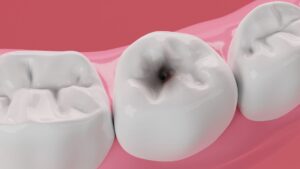
Before we talk about prevention, it is important to understand how cavities form. Cavities develop when plaque, a sticky layer of bacteria, builds up on your teeth. These bacteria feed on sugars and carbohydrates from food and drinks, producing acids as a result. Over time, these acids wear down the enamel, creating tiny holes in the teeth.
Poor brushing habits, skipping flossing, frequent snacking, and not visiting the dentist regularly all increase the risk of tooth decay. The good news is that consistent oral hygiene can stop cavities before they start.
Brush Your Teeth the Right Way, Twice a Day
Brushing twice a day is the foundation of good oral health, but technique matters just as much as frequency. Many people rush through brushing or miss important areas, especially along the gum line.
Use a soft-bristled toothbrush and fluoride toothpaste. Brush for at least two minutes, making sure to clean all surfaces of your teeth. Gentle circular motions work best, as harsh scrubbing can damage enamel and irritate gums. Morning brushing removes bacteria that build up overnight, while nighttime brushing clears away food particles from the day.
Replacing your toothbrush every three to four months is also important, as worn bristles are less effective at removing plaque.
Do Not Skip Flossing
Flossing is often overlooked, yet it plays a major role in preventing cavities. A toothbrush cannot reach the tight spaces between teeth, where food particles and plaque easily get trapped. If left untouched, these areas become perfect spots for decay to begin.
Floss at least once a day, preferably before bedtime. Be gentle and curve the floss around each tooth to clean below the gum line. With consistent flossing, you can significantly reduce the risk of cavities forming between teeth, which are often harder to detect in the early stages.
Rinse With Fluoride or Antibacterial Mouthwash
Using mouthwash is not a replacement for brushing and flossing, but it is a helpful extra step. Fluoride mouthwash strengthens tooth enamel and helps reverse early signs of decay. Antibacterial rinses reduce harmful bacteria that cause plaque and bad breath.
Rinsing once a day, especially at night, adds another layer of protection to your oral hygiene routine and supports long-term tooth health.
Watch What You Eat and Drink
Your diet has a direct impact on your teeth. Sugary foods, acidic drinks, and frequent snacking increase the risk of cavities because they give bacteria more fuel to produce harmful acids.
Try to limit sweets, soda, fruit juices, and sticky snacks. Instead, choose tooth-friendly foods like vegetables, cheese, yogurt, nuts, and whole grains. Drinking water throughout the day helps wash away food particles and keeps your mouth hydrated.
If you do indulge in sugary treats, it is better to have them with meals rather than snacking throughout the day. This reduces the amount of time acids stay on your teeth.
Avoid Late-Night Snacking
Eating late at night without brushing afterward is a common cause of tooth decay. Saliva flow naturally decreases while you sleep, which means your mouth has less protection against acids and bacteria.
If you snack before bed, always brush and floss afterward. This simple habit can make a big difference in preventing cavities and maintaining a healthy smile.
Visit Your Dentist Regularly
Even with excellent home care, regular dental checkups are essential. Dentists can spot early signs of decay before they turn into serious problems. Professional cleanings remove hardened plaque that brushing alone cannot eliminate.
Routine dental visits can help you avoid advanced decay and reduce the need for procedures like tooth cavity treatment oshawa, which often becomes necessary when cavities are ignored for too long.
Teach Good Oral Habits Early
For families, teaching children good oral hygiene habits from a young age is crucial. Help them brush properly, encourage flossing, and limit sugary snacks. Early prevention sets the foundation for strong teeth and healthy gums throughout life.
Making oral care a daily routine rather than a chore helps children understand the value of protecting their smiles.
Stay Consistent for Long-Term Results
Consistency is the key to preventing tooth cavities. Brushing once in a while or flossing only when something feels stuck is not enough. Daily care, combined with healthy eating and regular dental visits, creates strong protection against decay.
By following these habits, you not only improve your oral health but also reduce your chances of needing costly and uncomfortable procedures such as tooth cavity treatment oshawa in the future.

Final Thoughts
Avoiding tooth cavities does not require complicated routines or expensive products. Simple habits like proper brushing, daily flossing, smart food choices, and regular dental checkups can keep your teeth strong and healthy for years to come. When you take control of your oral hygiene today, you protect your smile tomorrow and enjoy the confidence that comes with healthy teeth.