The mountains were quiet, yet they spoke louder than words. As the sun touched the snowy peaks, the trail ahead felt like a promise. This is the magic of trekking in Nepal—a journey where every step brings wonder, peace, and adventure. From small villages to high mountain passes, Nepal invites you to walk paths that have been used for centuries. These are not just trails. They are stories written in stone, ice, and sky.
A Land Made for Walkers
Nepal is a small country, but it holds some of the tallest mountains on Earth. Eight of the world’s fourteen highest peaks are here, including Mount Everest. Because of this, trekking is part of daily life. Long before tourists arrived, local people walked these paths to trade, farm, and visit family.
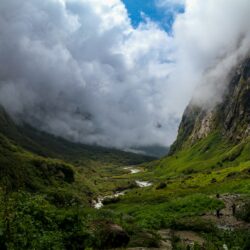
Today, trekkers from all over the world follow the same routes. The trails pass through green forests, deep valleys, and open hills. Prayer flags wave in the wind. Rivers rush below wooden bridges. Each day feels new, yet calm.
What makes Nepal special is not only the mountains, but also how close nature and people live together.
Trails That Tell Stories
Every trek in Nepal feels like a story with many chapters. One day you walk through warm forests full of birds. The next day, you climb into cold, open land where yaks roam freely. Stone houses, old monasteries, and spinning prayer wheels appear along the way.
Villages welcome trekkers with warm smiles and hot tea. Even in remote places, kindness is strong. Many trekkers say this human connection is what they remember most.
These high mountain paths are alive. They carry culture, belief, and history with every step.
The Beauty Changes Every Day
One of the most amazing things about trekking in Nepal is how fast the landscape changes. In a single week, you may see rice fields, pine forests, rocky cliffs, and snow-covered peaks.
Mornings are often clear and bright. Afternoons may bring clouds that roll in slowly. At night, the sky fills with stars like scattered diamonds. The mountains glow during sunrise and sunset, painting the sky with soft colors.
This changing beauty keeps trekkers excited and curious. No two days ever feel the same.
A Journey for Mind and Body
Trekking is not only about reaching a place. It is about how you feel along the way. Walking for hours each day helps clear the mind. The simple routine—walk, eat, rest—brings peace.
Many people come to Nepal feeling busy or stressed. They leave feeling lighter. The mountains teach patience. The slow pace helps you notice small things, like the sound of wind or the smile of a child.
You do not need to be an athlete. You only need time, care, and a steady step.
Useful Trekking Statistics You Should Know
Most popular treks in Nepal last 10 to 14 days on average, depending on the route and walking speed. The total distance of a classic trek is usually between 100 to 140 kilometers (62–87 miles).
Treks often reach a maximum elevation of 4,000 to 5,500 meters (13,100–18,000 feet). For example, Everest Base Camp reaches 5,364 meters (17,598 feet), while Annapurna Base Camp sits at 4,130 meters (13,550 feet).
Each day, trekkers usually walk 5 to 7 hours, covering 8 to 15 kilometers. Rest days are added to help with altitude and recovery.
Seasons That Shape the Experience
The best time for trekking in Nepal is spring (March to May) and autumn (September to November). During these months, the weather is clear, and views are sharp.
Spring brings flowers, especially colorful rhododendrons. Autumn offers dry trails and blue skies. Winter treks are quieter but colder. Summer brings rain, but the hills turn green and fresh.
Each season has its own beauty. The key is choosing the right trek for the time of year.
Why the High Mountain Paths Feel Legendary
These paths are called legendary for a reason. Climbers, monks, traders, and explorers have walked them for hundreds of years. Some trails lead to sacred lakes and ancient temples. Others lead to the base of the world’s highest peaks.
When you walk here, you feel part of something bigger. The mountains remind you how small we are—and how strong we can be.
This feeling stays long after the trek ends.
A Simple Adventure That Changes You
Trekking in Nepal does not need fancy gear or fast plans. It needs respect for nature and openness to new experiences. Each step teaches balance. Each climb brings pride. Each view brings silence.
Many trekkers arrive as visitors. They leave feeling connected—to the land, to the people, and to themselves.
The high mountain paths of Nepal are not just places to walk. They are places to grow.
Final Thoughts
The legendary beauty of trekking in Nepal lies in its simplicity. Mountains, trails, people, and time come together in a rare way. You do not rush here. You walk, breathe, and feel.
If you are looking for a journey that challenges your body, calms your mind, and fills your heart, Nepal’s high mountain paths are waiting. One step at a time, they will show you their story—and help you find your own.