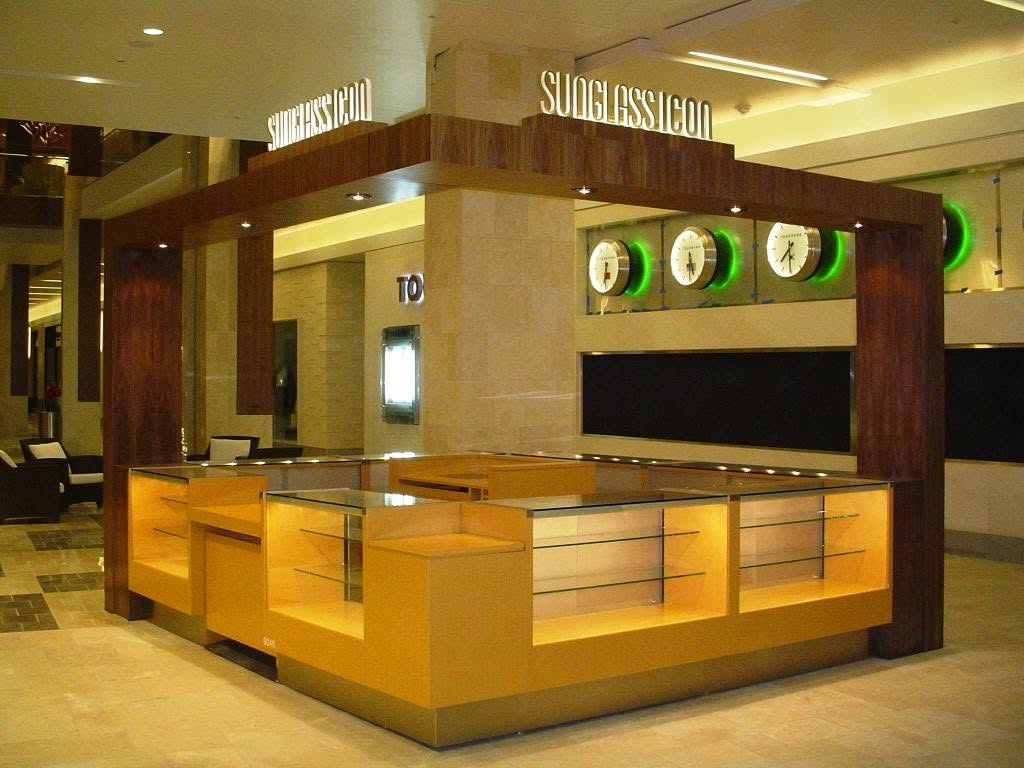
Trade show displays in Anaheim, CA, help businesses present their brands, showcase products, and connect with potential customers at exhibitions and industry events. The right display combines clear branding, practical booth design, suitable materials, and an easy-to-navigate layout that fits the event space and business objectives.
Anaheim is an important exhibition destination in Southern California, with the Anaheim Convention Center hosting events across industries such as technology, healthcare, manufacturing, entertainment, and consumer products. For exhibitors preparing for an event in the area, choosing a suitable display involves more than selecting an attractive structure. It requires planning around booth dimensions, visitor experience, transportation, installation, and budget.
What Are Trade Show Displays and How Do They Work?
Trade show displays are structures and visual presentation systems that businesses use to represent their brands at exhibitions, conventions, and professional events. They provide designated spaces for displaying products, communicating services, sharing marketing information, and interacting with visitors.
Depending on the company’s requirements, an exhibit can include:
- Branded walls and graphic panels.
- Product demonstration counters.
- Illuminated signs and display structures.
- Digital screens and interactive technology.
- Meeting areas and storage spaces.
- Flooring, lighting, and presentation accessories.
For example, a technology company may need screens and demonstration stations, while a furniture manufacturer may require enough open space to showcase physical products. The display should support the company’s purpose rather than simply fill the available floor area.
What Types of Trade Show Displays Are Available?
The best display depends on the exhibition schedule, available space, branding requirements, and budget. Businesses can choose from several formats, each offering different practical benefits.
1. Custom Trade Show Booths
Custom booths are designed around a company’s branding, products, and exhibition goals. They offer flexibility in dimensions, materials, graphics, lighting, and visitor layout.
A custom exhibit may include:
- Branded architectural structures.
- Private meeting spaces.
- Product demonstration areas.
- Integrated lighting and digital screens.
- Custom counters and storage.
These solutions are suitable for businesses attending major exhibitions or looking for a consistent brand presentation across multiple events.
2. Portable and Pop-Up Displays
Portable systems are designed for convenient transportation, storage, and installation. They are particularly useful for smaller businesses, regional exhibitions, conferences, and events where a large custom structure is unnecessary.
Retractable banner stands, pop-up walls, tabletop systems, and lightweight display frames are common examples.
Their main advantage is convenience. However, businesses should consider graphic size, structural stability, and available accessories before choosing a portable format.
3. Fabric and Backlit Displays
Fabric displays use printed textile graphics stretched over supporting frames. They create a smooth visual surface and can accommodate large brand images and messaging.
Backlit systems add illumination behind the graphic, helping important visuals stand out in exhibition environments.
A tension fabric display may suit businesses that need lightweight structures, while an illuminated lightbox can help create a more prominent presentation. The choice depends on the lighting conditions, graphic requirements, and overall booth design.
4. Modular Exhibition Systems
Modular systems use reusable components that can be arranged in different configurations. Businesses can adapt these structures to various booth sizes without designing an entirely new exhibit for every event.
For companies attending multiple exhibitions throughout the year, modular construction can offer practical flexibility.
5. Trade Show Booth Rentals
Rentals allow businesses to use exhibition structures for specific events without purchasing an entire booth.
They can be useful when a company:
- Participates in occasional exhibitions.
- Needs a temporary booth solution.
- Wants to test a new design.
- Exhibits in different cities.
- Prefers not to manage long-term storage.
Before choosing a rental, confirm which services are included. Design, graphics, transportation, installation, dismantling, and storage may have separate costs.
How Do You Choose the Right Trade Show Display?
Start with your exhibition objectives, then select a structure that supports them. A practical selection process can prevent unnecessary expenses and design problems.
Step 1: Understand Your Booth Space
Check the event’s assigned booth dimensions and exhibitor guidelines. Common booth configurations include 10 × 10 feet, 10 × 20 feet, and larger island spaces, although actual options depend on the event.
Confirm height restrictions, neighboring booth arrangements, electrical access, and any restrictions on hanging signs.
Step 2: Identify Your Main Objective
Decide what visitors should do when they enter your space.
For example:
- A product launch may require demonstration stations.
- A service business may need comfortable discussion areas.
- A manufacturing company may need room for equipment samples.
- A consumer brand may prioritize product presentation and visual storytelling.
A clear objective helps determine the right layout and display components.
Step 3: Plan the Graphics and Messaging
Visitors should understand your business quickly. Use a recognizable logo, a clear headline, readable text, and high-quality visuals.
Avoid placing too much information on a single graphic. Keep important messaging visible from the main aisle and use supporting materials for additional details.
Step 4: Consider Transportation and Installation
A display that looks impressive in a design presentation must also work within real exhibition conditions.
Consider:
- Shipping dimensions and package weight.
- Assembly time and labor requirements.
- Access to electrical connections.
- Storage between events.
- Dismantling and return transportation.
Ask for assembly instructions and confirm who handles installation before finalizing the project.
Step 5: Compare the Complete Cost
The total exhibition budget should account for more than the structure itself.
| Cost consideration | What to check |
| Design | Concept development and revisions |
| Production | Frames, materials, and graphics |
| Accessories | Lighting, counters, screens, and flooring |
| Transportation | Shipping, handling, and delivery |
| Installation | Labor and setup requirements |
| Removal | Dismantling and return logistics |
| Storage | Space and maintenance between events |
Request an itemized estimate so you can compare different options fairly.
What Should Anaheim Exhibitors Know Before an Event?
Businesses exhibiting in Anaheim should review the requirements of their specific venue and event organizer before beginning production.
The Anaheim Convention Center has event-specific operational requirements. Exhibitors should consult their event’s exhibitor manual for information about booth construction, electrical services, material restrictions, installation schedules, shipping, and contractor procedures.
Do not assume that requirements remain identical across every exhibition.
Planning should also account for Southern California transportation and delivery arrangements. Confirm move-in dates, delivery windows, loading procedures, and the time needed to assemble the structure.
For businesses exhibiting outside Anaheim later in the year, adaptable components can make it easier to reuse the same system in different venues.
What Makes an Exhibition Booth More Effective?
An effective booth combines visual communication with visitor convenience. Its purpose is to help attendees understand the business and interact with its representatives.
Several design principles can improve the overall experience:
Clear visual hierarchy: Make the company name and primary message easy to recognize.
Open layout: Avoid unnecessary barriers that discourage visitors from entering.
Appropriate lighting: Use lighting to highlight products, graphics, and important presentation areas.
Interactive elements: Demonstrations, video screens, and touch-based features can support visitor engagement when they serve a clear purpose.
Consistent branding: Maintain the same visual identity across signs, graphics, counters, and promotional materials.
Reusable construction: Consider durable frames, replaceable graphics, and recyclable materials where practical.
For example, a business attending three exhibitions with different booth dimensions may benefit from a modular frame with interchangeable graphic panels. This approach can reduce the need to create a completely new structure for every event.
What Are the Common Mistakes to Avoid?
Even an attractive display can create problems when important planning details are overlooked.
Avoid these mistakes:
- Choosing a structure before confirming booth measurements.
- Using too much text in the main graphics.
- Ignoring venue height and installation restrictions.
- Forgetting storage and transportation costs.
- Selecting lighting without considering electrical access.
- Leaving insufficient room for staff and visitors.
- Failing to confirm the complete rental or installation scope.
A design review before production can help identify these issues early.
Where Can Businesses Find Custom Trade Show Display Solutions Near Anaheim?
Businesses looking for professional exhibition solutions in Anaheim can consider working with a display company that understands design, fabrication, graphics, and event requirements.
Next Level Displays, located at 3080 Enterprise Unit B, Brea, CA 92821, provides customized exhibition and retail display solutions for businesses in the United States and international markets.
Its services include custom booth design, portable display systems, rental exhibits, fabric graphics, backlit displays, large-format printing, and event support such as shipping, installation, and dismantling.
The company combines creative planning, functional design, and consideration for sustainable materials to develop displays around individual business requirements.
Businesses preparing for an Anaheim exhibition can discuss their booth dimensions, event schedule, branding needs, and budget with the team before selecting a suitable solution.
Contact Next Level Displays:
- Address: 3080 Enterprise Unit B, Brea, CA 92821
- Phone: 714-380-3200
- Toll-free: +1 866-796-6398
- Email: sales@nldisplays.com
- Website: https://www.nldisplays.com/
Choose an Exhibition Display That Fits Your Business Goals
The right exhibition setup should reflect your brand, fit your allocated space, and make it easy for visitors to understand what your business offers. Whether you need a portable structure for a small event, a modular system for multiple exhibitions, or a fully customized booth, careful planning makes the selection process easier.
Before committing to a design, compare the complete costs, review venue requirements, and consider how the structure will perform at future events. Exploring suitable options with Next Level Displays can help you identify a practical solution for your next Anaheim exhibition.