Water heaters are often overlooked until they stop working. Then, suddenly, there’s no hot water for showers, washing dishes, or laundry. When that happens, it’s clear how essential a properly functioning water heater is to daily life. But beyond convenience, safety is a huge concern with water heaters. Faulty installation or poor repairs can lead to leaks, electrical hazards, or even explosions.
Getting your water heater installed or repaired by experts who prioritize safety isn’t just smart-it’s necessary. This article dives into what makes water heater installation and repair safe, why expert knowledge matters, and how to spot trustworthy professionals.
Why Safety Matters in Water Heater Installation
The Risks of Improper Installation
Water heaters handle hot water under pressure and often involve gas or electricity. If installed incorrectly, there’s a risk of leaks, carbon monoxide poisoning, or electrical fires. For example, a gas water heater with a poorly connected vent can release deadly fumes into your home. An electric water heater wired improperly can short circuit and cause a fire.
Even small mistakes, like incorrect pressure relief valve installation, can lead to dangerous pressure build-up. That’s why safety codes and manufacturer guidelines exist—to prevent accidents and keep your home secure. Additionally, the potential for water damage from leaks can lead to costly repairs and mold growth, which can pose health risks to you and your family. Regular maintenance and inspections can help mitigate these risks, but the initial installation must be done correctly to lay a solid foundation for safety.
Code Compliance and Permits
Professional installers know local building codes and regulations inside and out. They ensure your water heater meets all requirements, including proper venting, clearance, and electrical connections. In many areas, a permit is required for installation, and inspections follow to verify safety.
Skipping these steps might save money upfront but can lead to costly repairs or hazards later on. Plus, insurance companies may deny claims if installations aren’t up to code. Furthermore, adhering to code compliance not only protects your home but also enhances its value. Potential buyers are often wary of properties with questionable installations, so investing in a professional installation can pay off in the long run. It’s also worth noting that many manufacturers require proof of professional installation to honor warranties, making compliance crucial for safeguarding your investment. For reliable service, you can visit Handyman Services Singapore website.
Choosing the Right Water Heater for Your Home
Types of Water Heaters
There’s no one-size-fits-all water heater. The main types include tank water heaters, tankless models, heat pump water heaters, and solar water heaters. Each has pros and cons depending on your household’s size, energy source, and budget.
Tank water heaters store hot water and are generally less expensive upfront. Tankless units heat water on demand, saving space and energy but costing more initially. Heat pump water heaters are energy-efficient but require more space and a moderate climate. Solar water heaters use the sun’s energy but depend on location and weather. Additionally, hybrid models are becoming increasingly popular, combining the efficiency of heat pumps with traditional tank systems, offering a balance between performance and energy savings.
Capacity and Energy Efficiency
Choosing the right capacity ensures you have enough hot water without wasting energy. A family of four typically needs a 40-50 gallon tank, while smaller households might manage with less. Tankless systems are sized by flow rate, measured in gallons per minute. It’s also important to consider peak usage times; for instance, if multiple showers or appliances are used simultaneously, a higher capacity or a more efficient system may be necessary to meet demand without running out of hot water.
Energy efficiency ratings, like the Energy Factor (EF) or Uniform Energy Factor (UEF), indicate how well a water heater converts energy into hot water. Higher ratings mean lower operating costs and less environmental impact. Moreover, many modern water heaters come equipped with smart technology that allows homeowners to monitor and adjust settings remotely, optimizing energy use based on daily routines. This can lead to significant savings over time, making it a worthwhile investment for environmentally conscious consumers.
Signs You Need Water Heater Repair
Common Problems to Watch For
Water heaters don’t last forever. Most tanks last 8-12 years, while tankless units can go longer with proper maintenance. Knowing when to call for repairs can prevent complete failure and costly replacements. Regular inspections and awareness of your unit’s performance can greatly extend its lifespan, ensuring you have reliable hot water when you need it most.
Look out for:
- Water leaking around the base of the heater
- Inconsistent water temperature or water that’s too hot or cold
- Strange noises like rumbling or popping inside the tank
- Discolored or rusty water coming from taps
- Foul odors or sediment buildup
- Water pressure issues or slow hot water delivery
In addition to these signs, keep an eye out for any noticeable increase in your energy bills. A failing water heater often works harder to maintain the desired temperature, leading to higher energy consumption. If you notice a spike in costs without any change in usage, it could be a signal that your water heater is struggling and may need professional attention.
Why DIY Repairs Can Be Dangerous
It might be tempting to fix a leaking valve or replace a thermostat yourself. But water heaters involve gas lines, electrical wiring, and pressurized hot water—areas where mistakes can cause serious injury or damage. Additionally, improper repairs can void warranties, leaving you responsible for any future issues that arise.
Professionals use specialized tools and have the training to diagnose problems accurately. They also know when a repair isn’t enough and replacement is the safer choice. Furthermore, hiring a licensed technician ensures that all repairs comply with local codes and regulations, providing peace of mind that your home is safe and your water heater is functioning efficiently. Regular maintenance checks by professionals can also catch potential issues before they escalate, saving you time and money in the long run.
What to Expect from Professional Water Heater Services
Installation Process
Experts start by assessing your home’s hot water needs and space constraints. They help select a water heater that fits your lifestyle and budget. The installation involves safely disconnecting the old unit, properly setting the new one, and connecting gas, water, and electrical lines according to code.
They’ll also install safety devices like pressure relief valves and ensure proper venting. After installation, thorough testing confirms everything works correctly and safely.
Repair and Maintenance
When repairing a water heater, professionals first diagnose the root cause. Whether it’s a faulty thermostat, sediment buildup, or a leaking tank, they use the right parts and techniques to fix it.
Regular maintenance, such as flushing the tank to remove sediment and inspecting anode rods, extends the water heater’s life and improves efficiency. Professionals can schedule routine check-ups to catch problems early.
How to Find Reliable Water Heater Experts
Check Credentials and Experience
Look for licensed plumbers or HVAC technicians with experience in water heater installation and repair. Certifications from manufacturers or trade organizations show a commitment to quality and ongoing education.
Ask how long they’ve been in business and if they specialize in certain types of water heaters. Experienced professionals are more likely to handle complex issues safely.
Read Reviews and Ask for References
Online reviews can provide insight into customer satisfaction, punctuality, and professionalism. Don’t hesitate to ask for references or examples of past work.
Word of mouth from friends or neighbors can also lead you to trusted experts who have proven their skills locally.
Get Multiple Quotes and Compare
Request detailed estimates from several companies. Be wary of prices that seem too low-they might cut corners or use substandard parts. A good expert will explain the scope of work, timeline, and warranty options clearly.
Maintaining Your Water Heater for Long-Term Safety
Routine Checks You Can Do
While major repairs should be left to professionals, homeowners can perform simple checks to keep their water heater safe. Look for leaks, listen for unusual noises, and monitor water temperature regularly.
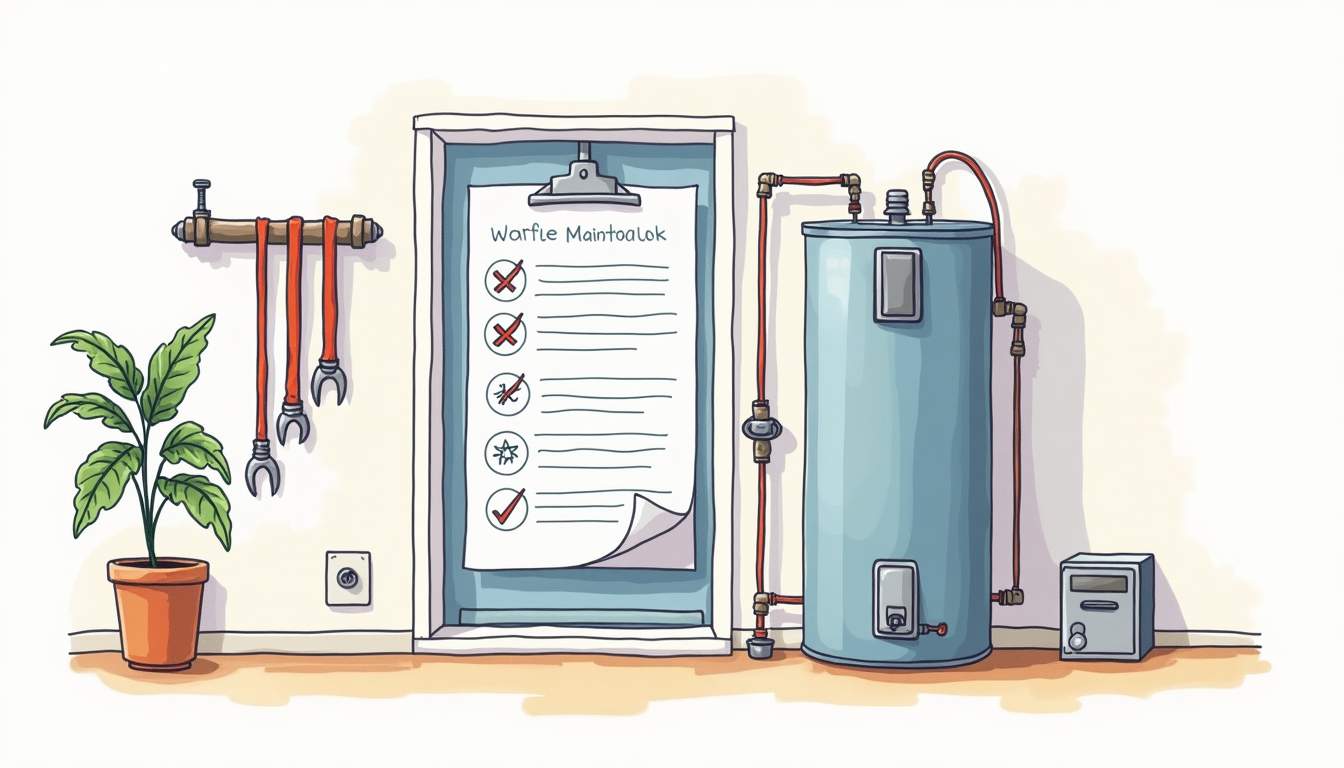
Test the pressure relief valve once a year by lifting the lever and letting it snap back. Water should flow freely and stop when the lever is released.
Schedule Professional Inspections
Annual inspections by a qualified technician catch issues before they become emergencies. They’ll check electrical connections, gas lines, venting, and internal components for wear or damage.
Timely maintenance helps avoid breakdowns, keeps your warranty valid, and ensures your water heater operates efficiently and safely.
Emergency Situations and When to Call Immediately
Recognizing Dangerous Signs
Some water heater problems require immediate attention. If you smell gas near your water heater, turn off the gas supply, ventilate the area, and leave the home immediately. Call the gas company or emergency services right away.
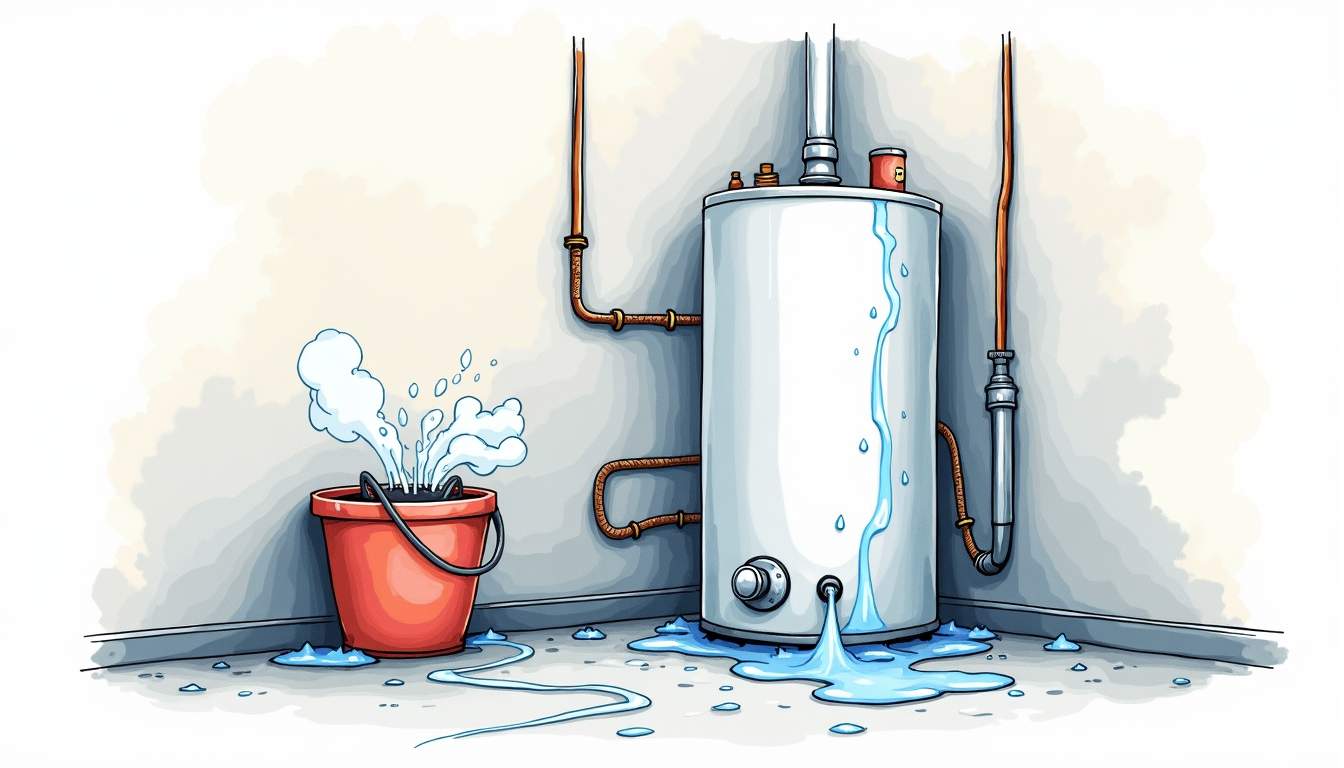
Other emergencies include water flooding from the heater, electrical sparks, or the unit making loud banging noises. These situations pose risks of fire, flooding, or explosion.
Preparing for Emergencies
Know where your water heater’s shut-off valves and circuit breakers are located. In case of leaks or electrical issues, shutting off water and power quickly can minimize damage.
Keep emergency contact numbers for trusted water heater professionals handy. Quick response can prevent small problems from turning into disasters.
Conclusion
A water heater is a vital part of any home, but it must be installed and maintained with safety as the top priority. Professional installation ensures compliance with codes and reduces risks. Prompt repairs by experts protect your family and property from hazards.
Choosing the right water heater, watching for warning signs, and scheduling regular maintenance all contribute to reliable, safe hot water for years to come. When in doubt, trust experienced professionals to handle your water heater needs with care and expertise.
