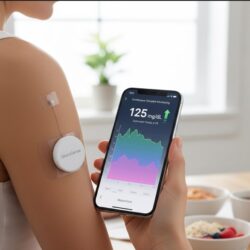
For individuals managing diabetes, keeping track of blood glucose levels is essential to ensure overall health and well-being. While traditional glucose monitoring methods like finger-stick tests have been the standard for decades, the rise of continuous blood glucose monitors (CGMs) has revolutionized the way people with diabetes manage their condition.
Although the cost of continuous glucose monitor systems may seem daunting at first, the benefits—both in terms of health and lifestyle—make them a worthwhile investment. In this blog, we’ll take a deep dive into what continuous blood glucose monitors are, the costs involved, and how they can improve diabetes management and lead to better long-term health outcomes.
What Are Continuous Blood Glucose Monitors?
Continuous blood glucose monitors (CGMs) are wearable devices that track your blood glucose levels continuously throughout the day and night. Unlike traditional methods that provide a single reading at a specific moment in time, CGMs offer real-time data about glucose levels every few minutes, giving a comprehensive and up-to-date picture of how your body is responding to food, exercise, and insulin.
A typical continuous blood glucose monitor system includes three components:
-
Sensor: A small sensor that is inserted under the skin, usually on the abdomen or arm. This sensor measures glucose levels in the interstitial fluid (the fluid between cells).
-
Transmitter: The transmitter sends the data from the sensor to a display device or mobile app, updating the user’s glucose levels regularly.
-
Receiver/Display Device: This could be a smartphone, dedicated receiver, or smartwatch where you can view your real-time glucose data, trends, and receive alerts.
The primary benefit of a continuous blood glucose monitor is that it continuously tracks your glucose levels throughout the day, allowing you to make adjustments to your insulin, food intake, or activity levels based on real-time information. This feature is especially beneficial for people with type 1 diabetes or insulin-dependent type 2 diabetes, where tight control over blood sugar is crucial.
The Cost of Continuous Glucose Monitor Systems: Breaking It Down
Before we discuss the benefits of continuous blood glucose monitors, it’s important to understand the associated costs. While continuous glucose monitor systems are more expensive than traditional blood glucose meters, their value is evident in the improved management of diabetes and reduced risk of complications.
1. Initial Device Purchase
The initial cost of a continuous blood glucose monitor system can vary based on the brand and the included accessories. On average, the upfront cost ranges from $300 to $1,000. Here are a few examples:
-
Dexcom G6: The starter kit typically costs around $500 to $600, which includes the transmitter and the first few sensors.
-
Freestyle Libre 2: The initial cost for the reader and one sensor kit is about $70–$100, though the reader is reusable for up to a year.
The upfront cost is a one-time expense unless the device gets damaged or replaced after a few years.
2. Ongoing Sensor Costs
The most significant recurring cost for continuous blood glucose monitors is replacing the sensors. Most sensors need to be replaced every 7–14 days, depending on the system. The price for sensors typically ranges from $35 to $100 per sensor, depending on the brand:
-
Freestyle Libre: Each sensor costs about $70–$85 for a 14-day supply.
-
Dexcom G6: A 30-day supply of sensors (3 sensors) costs about $350.
If you replace the sensor every 10–14 days, your monthly cost for sensors could range from $140 to $400.
3. Transmitter Costs
Some continuous blood glucose monitors, like the Dexcom G6, require a transmitter that needs to be replaced every 3–6 months. These transmitters generally cost between $200 and $400.
4. Insurance and Out-of-Pocket Costs
Many insurance plans, including Medicare, now cover continuous blood glucose monitors, especially for people with type 1 or insulin-dependent type 2 diabetes. However, the extent of coverage varies, and some policies may only cover certain models or brands.
If you don’t have insurance or your insurance doesn’t fully cover CGMs, the out-of-pocket costs for a continuous glucose monitor system can range from $250 to $500 per month, which includes the cost of sensors and transmitters. Some manufacturers also offer financial assistance programs to help offset these costs.
How Continuous Blood Glucose Monitors Improve Diabetes Management
Now that we’ve covered the costs, let’s talk about how continuous blood glucose monitors can improve diabetes management, making them a worthwhile investment for many individuals.
1. Better Control Over Blood Glucose Levels
The primary advantage of using a continuous blood glucose monitor is the ability to continuously track glucose fluctuations in real-time. This allows you to see how your blood sugar levels change in response to meals, exercise, stress, and medication. In comparison, traditional finger-stick tests only provide a snapshot of your glucose level at a single point in time, often missing important fluctuations.
With continuous data at your fingertips, you can make more informed decisions about your insulin dosages, meal timing, and physical activity, improving overall glucose control.
2. Avoiding Dangerous Blood Sugar Spikes and Dips
One of the most significant risks for people with diabetes is experiencing extreme fluctuations in blood glucose, such as hypoglycemia (low blood sugar) or hyperglycemia (high blood sugar). These events can lead to complications such as fainting, confusion, seizures, or even long-term damage to organs.
Continuous blood glucose monitors alert users when their glucose levels are too high or too low, giving them the opportunity to take immediate action. For example, if your glucose levels are dropping too quickly, you’ll receive an alert, allowing you to treat it before it becomes dangerous.
3. Improved A1C Levels
A1C is a long-term measure of average blood glucose levels, and controlling it within a target range is essential for preventing diabetes complications. Studies have shown that individuals using continuous blood glucose monitors can achieve better A1C levels compared to those relying solely on traditional blood glucose testing.
By providing real-time feedback on glucose trends, CGMs allow users to make quicker, more accurate adjustments to their diabetes management, leading to lower A1C levels over time.
4. Fewer Medical Emergencies and Hospitalizations
Using a continuous blood glucose monitor reduces the likelihood of experiencing severe glucose fluctuations that require emergency care. By preventing dangerous episodes of hypoglycemia or hyperglycemia, CGM users are less likely to need emergency treatment or hospitalization. In the long run, this can save money on costly medical interventions and hospital stays, as well as reduce the overall burden on healthcare systems.
5. Convenience and Peace of Mind
The convenience of a continuous blood glucose monitor is another key advantage. With a CGM, there’s no need to manually prick your finger multiple times a day. Instead, you can check your glucose levels in real-time through a smartphone app, dedicated receiver, or even a smartwatch.
CGMs also offer peace of mind, especially for parents of children with diabetes or people who experience unpredictable glucose fluctuations. The alerts and notifications from a CGM help individuals stay on top of their blood sugar levels at all times, without the constant worry of whether their glucose is getting too high or low.
The Long-Term Benefits of Using a Continuous Blood Glucose Monitor
While the cost of continuous glucose monitor systems can be high, the long-term benefits make them a smart investment. Here’s why:
1. Reduced Healthcare Costs
Using a continuous blood glucose monitor helps reduce the likelihood of expensive medical emergencies and hospitalizations. By maintaining better glucose control, CGM users can avoid complications such as heart disease, nerve damage, kidney failure, and diabetic retinopathy—all of which require costly treatments and long-term care. In the long run, the savings from fewer medical interventions can outweigh the initial cost of a CGM system.
2. Improved Quality of Life
Managing diabetes is stressful, and constantly checking your glucose levels can be mentally exhausting. A CGM reduces the need for frequent finger-prick tests, providing a more convenient and less invasive way to monitor glucose levels. The real-time feedback and alerts allow users to live with greater confidence and freedom, knowing that they are staying on top of their health.
3. Increased Productivity and Well-being
When diabetes is well-managed, individuals are more likely to feel energized, focused, and productive. By maintaining stable blood glucose levels, users of continuous blood glucose monitors may experience fewer symptoms related to high or low blood sugar, such as fatigue, irritability, or dizziness. This can improve overall well-being and help people with diabetes lead fuller, more active lives.
Conclusion: Why the Cost of Continuous Glucose Monitor Is Worth It
The cost of continuous glucose monitor systems is a significant investment, but the benefits far outweigh the costs. From better blood glucose control and fewer medical emergencies to improved quality of life and long-term savings on healthcare, CGMs provide valuable insights that make managing diabetes easier and more effective.
At Linx CGM, we are committed to helping you manage your diabetes with cutting-edge technology. Our continuous blood glucose monitors provide the real-time data you need to make informed decisions about your health. Visit us today at https://linxcgm.com to learn more about how a CGM can revolutionize your diabetes management.