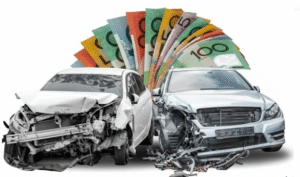
Accidents can happen without warning, and when they do, the state of your car can change in seconds. One moment you are driving along Brisbane Road or Warwick Road, and the next, your car is sitting on the side of the street with dents, broken lights, leaking fluids, or worse. Owning a damaged car brings stress, especially when you are unsure about the next step. Should you repair it? Should you keep it? Or is it time to let it go?
For many locals in Ipswich, selling an accident-damaged car is the most practical choice. This guide walks you through the entire process in a clear and down-to-earth way. It covers what counts as accident damage, how buyers assess the worth, where to sell, what paperwork you need and what happens once the vehicle is taken away.
Whether your car is sitting at home, a workshop, or a holding yard, the steps below will help you move forward without confusion.
What Counts as an Accident-Damaged Car?
An accident-damaged car is any vehicle that has suffered harm due to a collision, rollover, severe weather event, or any impact strong enough to interfere with normal use. Some cars show obvious damage, while others may look fine on the outside but hide major issues underneath.
Different forms of accident damage include:
Broken bumpers, guards, or headlights
Bent or twisted frame
Engine failure after impact
Deployed airbags
Electrical faults caused by water or crash force
Major cracks in the windscreen
Doors or panels that do not close properly
In Queensland, some of these vehicles are listed as repairable write-offs, while others are statutory write-offs. Repairable write-offs can return to the road after strict inspections, whereas statutory write-offs cannot. Regardless of the category, these cars still hold worth in the parts and recycling market.
Why Many Ipswich Owners Choose to Sell Damaged Cars Instead of Repairing Them
Repairing a damaged car can drain your savings, especially when the harm affects the engine, transmission, or structure. Many local workshops report higher repair costs due to the price of parts and the time required for insurance jobs. For older models, the repair amount may even end up higher than the car’s resale worth.
Some common reasons owners decide to sell include:
The car is no longer safe to drive
A mechanic recommended major repair work
The insurer listed it as a write-off
The repair bill is far beyond the car’s worth
The car has been sitting unused for months
The owner prefers to buy another vehicle instead of repairing
Selling the car frees up space, removes an eyesore from your driveway and puts money back in your pocket. Many Ipswich residents choose this path because it is far simpler than dealing with prolonged repairs or insurance delays, and services that handle scrap car removal ipswich make the process even smoother for local owners.
How Buyers Judge the Worth of an Accident-Damaged Car
Not all damaged cars hold the same worth, even if they look similar. Buyers consider several key points when deciding how much they can pay.
1. Make, model and year
Common brands like Toyota, Mazda, Hyundai and Ford tend to keep stronger parts demand across Queensland. Newer vehicles also bring a bit more because many parts can still be reused.
2. Type and level of damage
A minor collision with cosmetic harm is usually worth more than a completely wrecked vehicle. Still, even heavily damaged cars hold metal recycling worth.
3. Whether the car starts
A running engine can add some value, but it is not a requirement. Many buyers collect cars that no longer start.
4. Parts demand in the market
Some models are always in demand at wrecking yards due to common repair needs. This can lift the offer slightly.
5. The weight of the vehicle
Scrap metal prices change from time to time. Heavier vehicles, such as 4WDs and utes, often hold more value in the recycling market.
If you want the most accurate estimate, provide details such as the model, damage type, and whether the engine runs. A few photos also help buyers understand the condition.
Where to Sell an Accident-Damaged Car in Ipswich
You have a few choices, though some require more effort than others.
1. Private buyers
Finding an individual buyer for a damaged car can take time. Most private buyers look for vehicles they can drive away. Many ask for a discount or want you to pay for towing.
2. Local dealerships
Most dealerships focus on running cars. A damaged vehicle often receives a low offer or is declined completely.
3. Scrap yards and metal recyclers
Scrap yards buy based on weight rather than parts. This option works for completely wrecked cars, but you may not receive much.
4. Cash-for-car buyers
These buyers specialise in accident-damaged, non-running and written-off vehicles. They collect the car from your location, handle the transfer and pay the agreed amount. Use your keyword naturally here once: cash for cars ipswich qld.
This option is common because they remove the vehicle in the condition it is already in, without asking for repair work, roadworthy checks or towing fees.
Step-by-Step Guide to Selling Your Accident-Damaged Car
The process is simple if you know what to expect. Follow these steps to make the sale smooth and organised.
Step 1: Write down your car details
Start with the basics:
Make and model
Year
Odometer reading
Registration status
Damage description
This helps buyers give an accurate offer.
Step 2: Contact a few local buyers
Reach out to more than one buyer. Share the details or send photos. Compare the offers you receive so you can choose the one that suits you.
Step 3: Confirm the offer
Make sure the offer covers towing. Most Ipswich buyers include towing at no extra charge.
Step 4: Prepare your paperwork
You usually need:
Proof of identity
Proof that you own the car
Registration certificate if it is still active
If the vehicle is unregistered, you can still sell it.
Step 5: Arrange the pick-up
The buyer sends a tow truck to your home, workplace or workshop. The driver checks the vehicle quickly, completes the paperwork and hands you the payment.
Step 6: Cancel registration (if needed)
If your vehicle still has registration, you can apply for a refund with the Queensland Department of Transport and Main Roads.
When you choose a cash for cars service, you no longer need to deal with the next repair bill.https://onspotcashforcars.com.au/
What Happens After Your Car Is Collected?
Many people wonder what happens once the tow truck leaves. Here is the common process:
Reusable parts are removed
Metal is separated and sent for recycling
Fluids are drained following safety guidelines
Tyres, batteries and plastics are sorted for recycling programs
This process helps reduce landfill waste and recovers metal that can be reused in Australian manufacturing.
Final Thoughts
Selling an accident-damaged car in Ipswich does not need to be confusing or drawn-out. With the right information, you can find a buyer, complete the paperwork and turn a damaged vehicle into cash without unnecessary stress. Whether your car has minor harm or major issues, you can still receive a fair amount based on parts, metal and demand.